Number 10 Role Football Position Guide and History

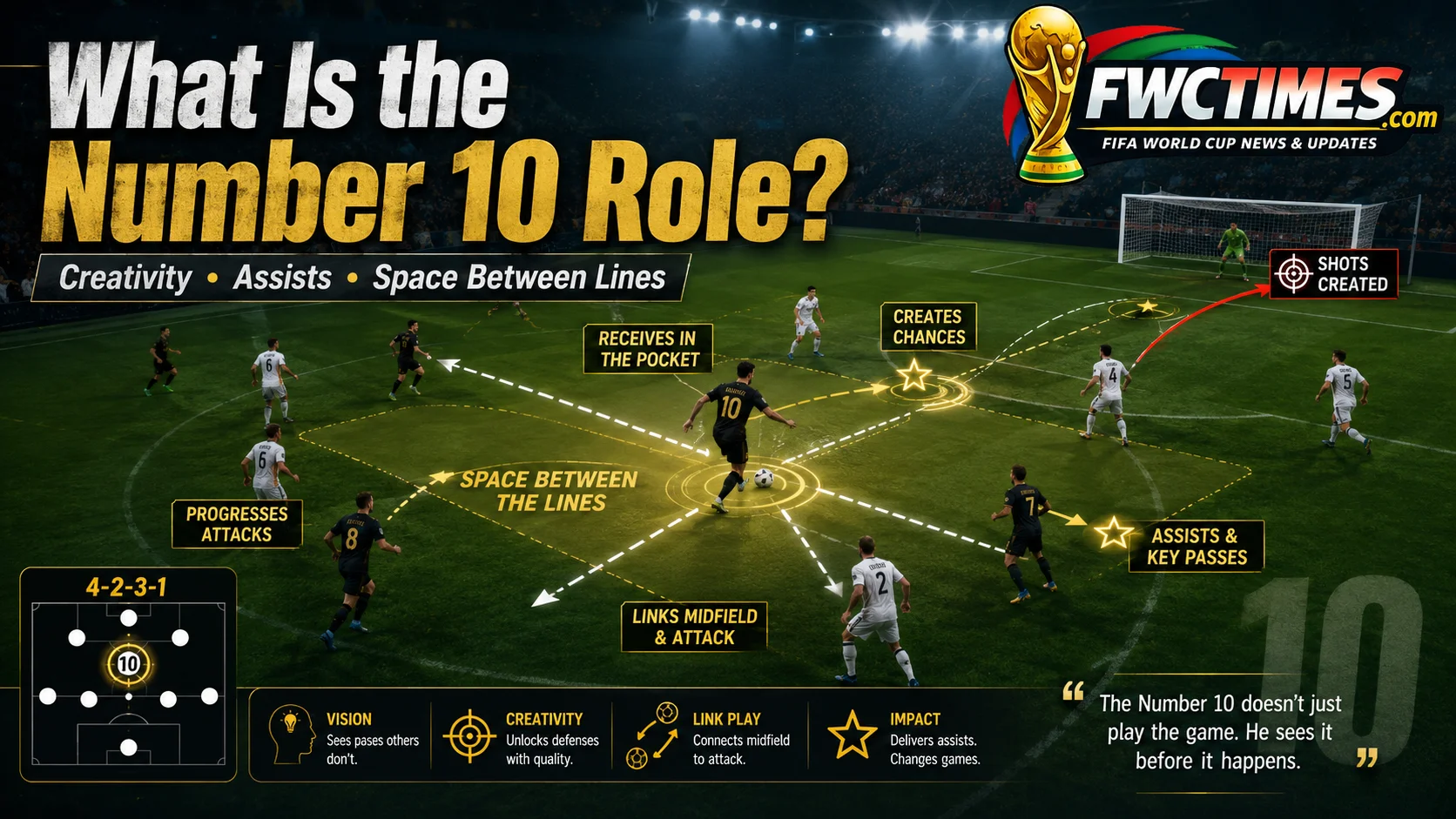
Soccer tactics have evolved to require more defensive work from creative midfielders during matches. In FIFA World Cup 2026 preparations, coaches focus heavily on these zones. In number 10 role football, the player operates in the advanced space behind the forward line. This article covers the tactical duties and requirements of this traditional role.
The creative playmaker connects the midfield to the main strikers with clever passes. You must understand how this position shapes the attacking movements of the team. Tactical discipline has become a necessary trait for these modern creators. Players must work hard to maintain the defensive shape when defending.
Tactical Value of the Number 10 Role Football Position
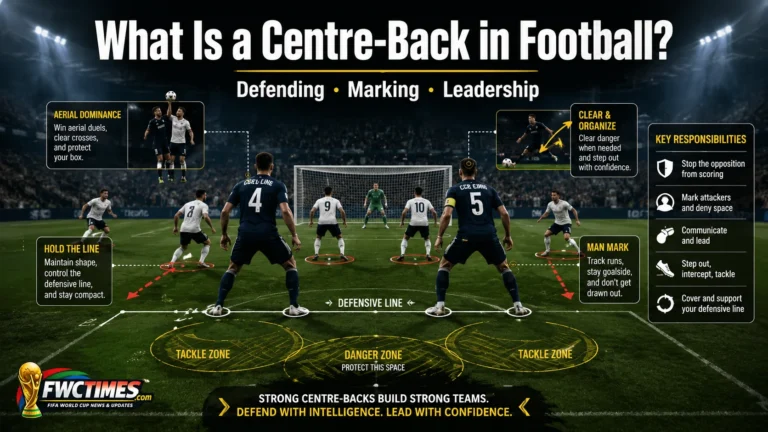
The primary zone of operation for this player sits between the lines. This area lies behind the opponent’s midfield but in front of their defense. Receiving the ball in this pocket forces center-backs to make difficult decisions. Defenders must decide whether to step forward or maintain their line.
The playmaker uses their vision to identify open passing lanes near the box. They turn under pressure and play through balls to fast wingers. This work helps break defensive blocks that defend deep inside their own half. Players need excellent spatial awareness to operate in these congested central zones.
Pressing Work in the Number 10 Role Football System
Modern tactical setups do not allow for passive creators on the pitch. The attacking midfielder must participate in the team’s high-pressing system out of possession. They press opposing center-backs and block passes to defensive midfielders. This effort prevents the opponent from building attacks with ease.
Recovering the ball early allows the team to launch quick transition attacks. The playmaker must shift quickly from defending to attacking when possession changes. This high work rate is essential for maintaining team balance in modern matches. Luxury players no longer fit into elite tactical structures.
Comparison to Other Creative Roles
Different attacking positions share creative duties but operate in unique zones. The tactical differences help coaches assign the right players to their systems. The core features of these creative roles are shown in the data table.
| Role Type | Starting Position | Main Playmaking Zone | Primary Movement Pattern |
|---|---|---|---|
| Number 10 | Central behind striker | Space between the lines | Roams laterally to find pockets |
| False 9 | Striker position | Drops deep into midfield | Pulls center-backs out of line |
| Inside Forward | Wide flank | Half-spaces near penalty box | Cuts diagonally toward goal |
| Regista | Deep midfield | Defensive half of pitch | Dictates tempo from deep |
How the Playmaker Creates Goals
Unlocking compact defenses requires both passing skill and smart off-ball movement. The playmaker combines with the striker through quick wall passes near the box. They also make late runs into the penalty area to score. You can check the attacking midfielder in football guide to learn more.
Body disguise helps the playmaker fool defenders before playing a pass. They look one way but slide the ball in the opposite direction. This action gives their teammates a crucial split second to shoot. Constant communication with wide runners helps establish clear attacking routes.
Formations That Support the Creator
The team’s tactical shape determines the freedom available to the playmaker. A 4-2-3-1 formation provides a clear central slot for the creator. Double pivots behind the player handle the main defensive duties in midfield. You can check the tactical formations guide for comparison details.
A 4-3-3 shape can also accommodate a creative midfielder in an advanced role. The player must share defensive duties with the other central midfielders. This system requires more running but offers better coverage across the pitch. Coaches adjust these shapes based on their opponent’s strengths.
Playmakers at the FIFA World Cup 2026
Elite creators will face intense physical challenges during the summer games in North America. The next international tournament matches will feature compact defensive blocks. Teams will rely on playmakers to unlock matches with single moments of magic. One accurate pass can decide a knockout round match.
Argentina will show how a central creator can lead an attacking unit. Elite players operate between the lines to dictate the offensive tempo. Watching these matches helps fans analyze the latest tactical developments. Team success depends heavily on the output of these creative midfielders.
Conclusion
The creative midfielder position remains one of the most exciting roles in soccer. Modern demands have turned the classic luxury playmaker into a hard-working teammate. Players must combine technical flair with high defensive pressing output to succeed. This evolution ensures the role remains vital in modern tactics.
Supporters can explore other midfield roles on our tactical platform. Read the deep-lying playmaker in football guide to learn more. These tactical breakdowns will help you understand the matches during the tournament. Keep following our updates for the latest sports news.
Frequently Asked Questions
What is number 10 role football?
The number 10 role describes the creative central playmaker. They play in the space between midfield and attack. Their primary job is to create goalscoring opportunities. They connect the team’s build-up to the strikers.
What is the trequartista role?
A trequartista is a traditional, free-roaming attacking playmaker. They have very few defensive duties during matches. The modern number 10 must defend and press. They work as part of the defensive block.
How does the playmaker press in defense?
The playmaker must press opposing defenders out of possession. They block passing lanes to the defensive midfielders. This work protects the team from central build-up. They must recover their position quickly after turnovers.
How does a number 10 differ from a false 9?
A number 10 starts behind the forward line. A false 9 starts as the central striker. The false 9 drops deep to create space. This movement pulls opposing center-backs out of position.
Will central creators be important at World Cup 2026?
Compact defenses leave very little space in central areas. Playmakers need high technical skill to find openings. Their vision can decide low-scoring tournament matches. They will be crucial for unlocking defensive systems.