Offside Rule Football Guide and Exceptions

Soccer matches rely on strict rules to ensure fair competition and prevent unfair advantages. The FIFA World Cup 2026 matches will follow these guidelines. The offside rule football law prevents attacking players from waiting near the goal for easy passes. This article explains how the rule works and its impact on modern matches.
This regulation forces teams to use tactical positioning and smart timing during attacks. You must understand the timing of your runs to beat the opponent’s defensive line. The assistant referee watches the play closely to identify any positioning violations. Players need discipline to execute these tactical movements during games.
Understanding the Offside Rule Football Meaning
The basic definition of the rule focuses on the attacker’s position. A player is in an offside position if they are in the opponent’s half of the pitch. They must also be closer to the goal line than the ball and the second-last opponent. The second-last opponent is typically the last outfield defender.
Being in an offside position is not an offense by itself. The assistant referee will only raise the flag if the player becomes active. This distinction allows players to stand in deep positions without stopping the game. The play continues until the referee blows the whistle to halt action.
Active Play under the Offside Rule Football Law
Active play is determined by the player’s involvement in the ongoing move. An attacker commits an offense by touching the ball after a pass. They can also interfere with an opponent by blocking their line of sight. Challenging for the ball from an offside position is also penalized.
Gaining an advantage from an offside position is another common offense. This occurs when the ball rebounds off the goalpost or goalkeeper to the attacker. The referee will stop play and award an indirect free kick to the defending team. Players must understand these specific scenarios to avoid turnovers.
Offside Exceptions in Competitive Play
There are several restarts where the offside rule does not apply. An attacker cannot be offside if they receive the ball directly from a throw-in. The same exception applies to goal kicks and corner kicks. The core details of these rules are shown in the data table.
| Restart Type | Does Offside Apply? | Special Rule Point |
|---|---|---|
| Throw-in | No | Attacker can receive in any position |
| Goal Kick | No | Restart must go directly to the attacker |
| Corner Kick | No | Pitch geography makes offside impossible |
| Teammate Pass | Yes | Position judged when pass is played |
| Opponent Deflection | Yes | Judged if deflection is not a deliberate play |
How Teams Use the Rule Tactically
Defenders use the rules to limit attacking space. A high defensive line can squeeze the pitch and keep attackers far from goal. This tactic relies on the offside trap to catch players offside. You can check the offside trap in football guide to compare details.
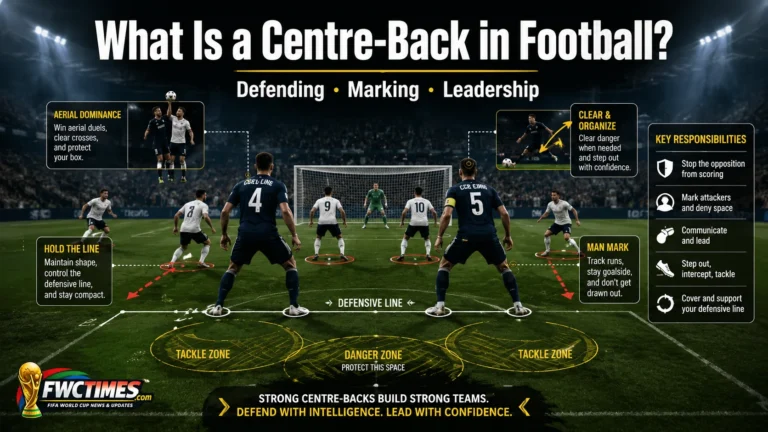
Attackers must time their runs to stay level with the last defender. Running diagonally helps players maintain speed while staying onside before the pass. A center-back must coordinate with the rest of the line to protect space. You can check the centre-back role guide for details.
Technology and Referee Decisions
Modern technology helps referees make accurate decisions during fast matches. Video assistant referees check close offside positions during goal reviews. Semi-automated tracking systems use cameras to track player body points in real time. These automated reviews make offside checks much more precise.
Even with technology, the human element remains vital in refereeing. Officials must still judge whether an offside player interfered with active play. This interpretation can lead to intense debates among fans and pundits. The rules aim to keep the game fair for both sides.
Conclusion
The offside rule remains a cornerstone of soccer tactics and fair play. It prevents teams from goal-hanging and rewards smart movement on the pitch. Defenders and attackers must master the timing of their runs to succeed. Understanding this rule helps fans enjoy the tactical battle during matches.
You can check other tactical guides on our sports platform. Read our tactical formations guide to see system comparisons. These tactical breakdowns will help you analyze team setups during the matches. Stay tuned for more updates as the tournament draws near.
Frequently Asked Questions
What does offside rule football mean?
The offside rule stops attackers from waiting behind defenders. A player is offside if they are in the opponent’s half. They must be closer to the goal than the ball and second-last opponent. This law keeps the match tactically balanced.
When is an offside position penalized?
A player in an offside position is only penalized if they become active. This happens if they play the ball or block a defender’s vision. Standing in an offside position is not an offense on its own. The referee only stops play when the attacker interferes.
Are there any exceptions to the offside rule?
No offside offense can occur directly from a throw-in. Attackers can also receive the ball directly from goal kicks. Offside does not apply to corner kicks either. These exceptions give teams unique restart options.
What is the offside trap in football?
Defenders step forward together to place attackers in offside positions. This tactic is called the offside trap. It requires perfect timing and communication from the defensive line. A single mistake can leave an attacker clean through on goal.
How does VAR check offside decisions?
Video assistant referees check all goalscoring situations during matches. They review offside positions at the exact moment of the pass. Semi-automated tracking technology helps make these reviews faster. These tools will support officials during the tournament.