What is Penalty Kick Football?

Penalty kick football remains one of the most exciting situations in a soccer match. This article explains the official rules, setups, and histories of this crucial set piece. The referee awards this kick when a defender fouls an opponent inside the box. We will examine the tactical battles that occur during these high-pressure moments.
The spot-kick gives a single attacker a clear shot from twelve yards. Only the shooter and the goalkeeper can stand inside the penalty area before the kick. This duel requires high composure from the kicker and quick reactions from the goalkeeper. A single kick can decide league titles and tournament results within seconds.
Penalty Kick Football Meaning
The International Football Association Board regulates these kicks under Law fourteen. The referee awards a penalty for direct free-kick fouls committed inside the penalty box. The ball must be placed stationary on the white penalty spot before play resumes. The kicker must clearly identify themselves to the referee before taking the shot.
A successful save depends heavily on the goalkeeper staying on the goal line. The keeper must face the kicker and cannot cross the line early. A modern goalkeeper role in football demands excellent preparation for these situations. Goalkeepers study the favorite shooting angles of opponents to increase their save chances.
Penalty Kick Football Setup
The referee signals the start of the kick with a loud whistle blow. All other players must remain outside the penalty area until the ball is kicked. They must also stand behind the penalty spot and outside the penalty arc. If a player enters the area early, the referee may order a retake.
The kicker cannot touch the ball a second time before another player plays it. If the ball hits the post, another attacker can run in to shoot. Goalkeepers try to distract the shooter without violating the sportsmanship rules. These setup details ensure a fair contest between the two players.
When the Referee Awards the Penalty
Referees award penalties for fouls like tripping, pushing, and careless tackles. Handball offences inside the box also result in direct penalty kicks. The referee evaluates whether the defender made their body unnaturally bigger. These decisions require careful observation from the officiating crew during the match.
Video assistant referees often review penalty decisions in modern professional football. The technology checks for clear errors in the box before confirming the kick. You can read about VAR use at World Cup 2026 to see its tournament impact. These video reviews help ensure fair results in major international matches.
Penalty Kick Rules and Outcomes
We analyze the different outcomes of a spot-kick under official rules below. The table details what happens during different player infractions during the play. Each situation requires the referee to make a specific restart decision. This summary clarifies the complex laws surrounding the penalty process.
| Situation | Decision | Key Rule Point |
|---|---|---|
| Legal kick scores | Goal | Ball enters the goal after a lawful kick |
| Kicker touches ball twice | Indirect free kick | Kicker cannot play it again first |
| Goalkeeper moves forward early and saves | Retake if offence impacts the kick | Keeper must stay on or behind line |
| Attacking teammate encroaches and goal is scored | Retake if encroachment impacts play | Players must stay outside and behind mark |
| Defending teammate encroaches and no goal is scored | Retake if encroachment impacts play | Impact decides punishment |
| Ball rebounds from post in normal play | Play continues | Another player may play the rebound |
During normal play, teammates can run in to play rebounds off the post. In a penalty shootout, no follow-up plays are allowed after the shot. The shootout kick ends when the ball stops moving or goes out of play. These differences are crucial for players to understand during tournament matches.
Penalty Kick vs Penalty Shootout
A match penalty occurs during the ninety minutes of normal play. It represents a direct punishment for a defensive foul inside the area. A penalty shootout only happens to decide a tied knockout match after extra time. Teams train differently for shootouts because multiple players must take kicks.
We keep track of World Cup penalty shootout records on our soccer database. These statistics show which nations perform best under extreme tournament pressure. Goalkeepers who excel at shootouts often become national heroes for their countries. Kickers must block out the crowd noise to convert their pressure shots.
Tactics for the Kicker and Goalkeeper
Shooters must choose between power and precise placement before their run-up. They often watch the goalkeeper’s knees to see which way they lean. Goalkeepers use mind games to put pressure on the opposing kicker. They study past penalty videos to predict where the shooter will aim.
Many teams designate their primary penalty takers before the match starts. Having a clear taker reduces confusion when the referee awards a kick. We highlight World Cup penalty goal records in our history section. These lists feature the most composed finishers in football history.
Relevance to the FIFA World Cup 2026
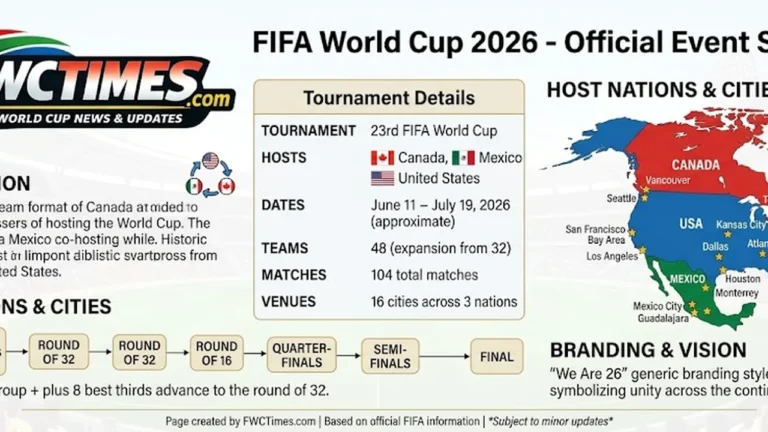
Penalties will decide critical matches at the FIFA World Cup 2026. With forty-eight teams competing, we expect more penalty incidents than ever. Coaches are already analyzing goalkeeper stats to prepare for potential shootouts. These preparations can make the difference between qualification and elimination.
The exact lists of takers for each country are yet to be confirmed. National teams will select their final squads closer to the opening match. Fans will enjoy watching how keepers handle the new referee guidelines. The tournament matches in North America will create legendary penalty moments.
Frequently Asked Questions
What is penalty kick football?
This term refers to a direct shot taken from the penalty spot. The referee awards it after a direct free-kick foul inside the box. The kicker faces the goalkeeper from a distance of twelve yards.
Can players score from a penalty rebound?
Yes, players can score from rebounds during normal match play. The kicker cannot touch the ball first if it hits the post. Other teammates can run in to shoot if the goalkeeper saves it.
Where must players stand during a penalty kick?
Players must stand outside the penalty box and behind the penalty mark. They must also stay outside the penalty arc to avoid encroachment. The referee will order a retake if players enter early and impact play.
What is the goalkeeper’s rule on the line?
The goalkeeper must keep at least part of one foot on the goal line. They must face the kicker until the ball is kicked. Moving forward too early can result in a retake if they make a save.
Will penalty shootouts decide matches at the World Cup 2026?
Yes, penalty shootouts will decide tied knockout matches after extra time. The new tournament format will feature more knockout games. Teams are already preparing their players for these intense tie-breakers.
Conclusion
The penalty kick remains a fascinating test of skill and mental strength. Rules protect the fairness of the kick, but players decide the outcome. Composed shooters and athletic goalkeepers shape the history of these moments. We look forward to seeing how these plays unfold in upcoming tournaments.
The drama of the spot-kick will capture the attention of global fans. To read more about football rules, check our other explainers. Read Also: How Does the Offside Rule Work in Football? Our writers provide detailed updates and analysis for every soccer enthusiast.