Complete Guide to the World Cup 2026 Groups

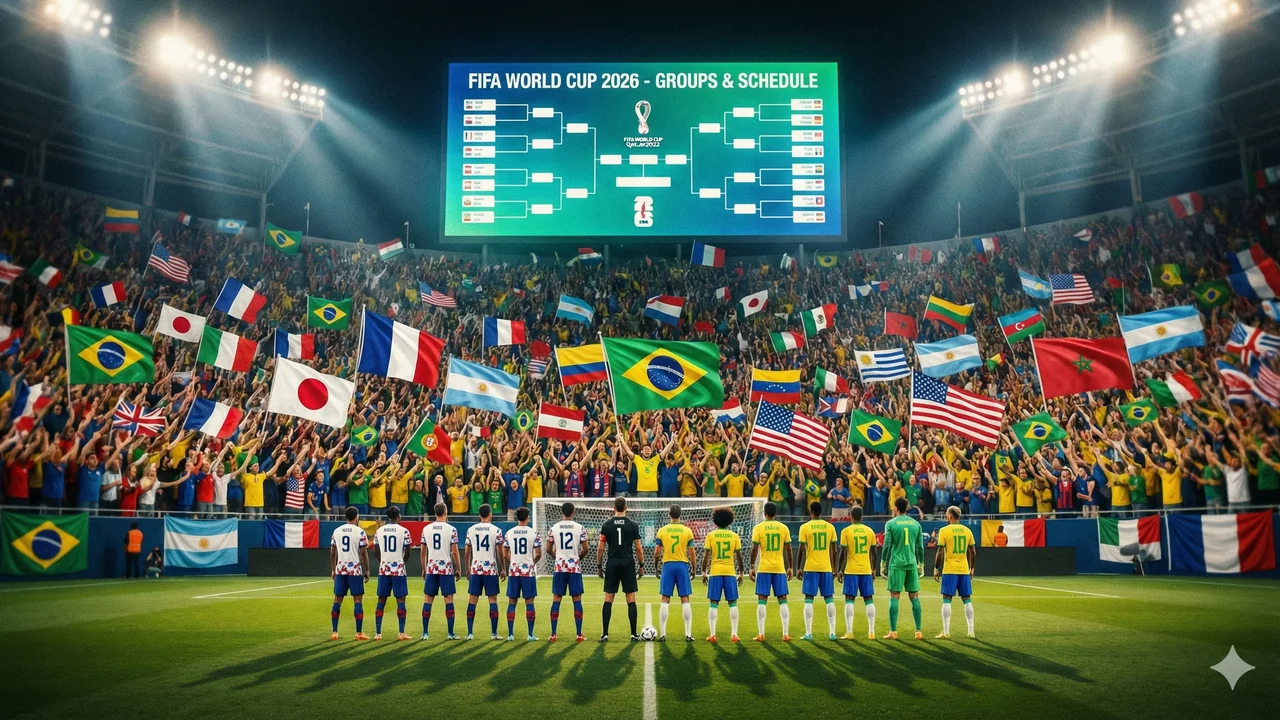
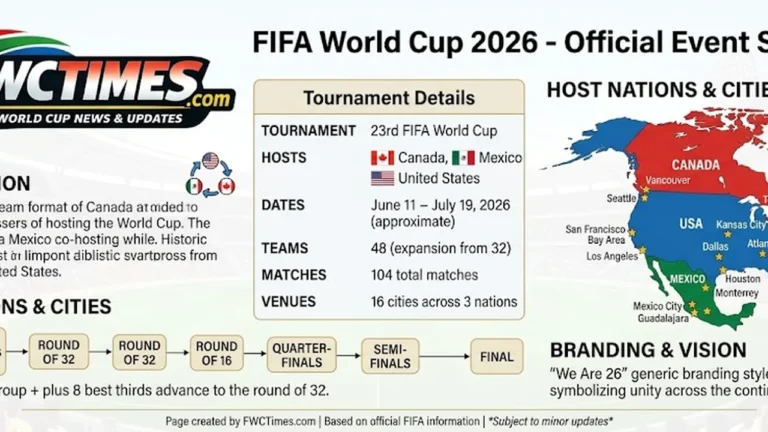
The official draw finalized the configurations for the upcoming global tournament. The FIFA World Cup 2026 groups now feature forty-eight national teams divided into twelve separate sections. Each section contains four teams that will compete in a round-robin format. Supporters should study these arrangements to prepare their tournament plans early.
This article provides the complete list of teams and examines the toughest matches. The expanded tournament format guarantees more matches and drama than previous editions. Still, fans must adapt to the new qualification paths for the knockout round. Let us look at the detailed breakdown of each section.
World Cup 2026 Groups Explored
The host nations receive automatic placement into the opening sections of the draw. Mexico leads Group A, Canada headlines Group B, and the United States anchors Group D. This placement allows the co-hosts to play their opening matches in front of home crowds. Fans can expect electric atmospheres in Mexico City, Toronto, and Los Angeles.
The remaining teams entered the draw based on their official FIFA rankings. This system ensures a balanced distribution of strength across the twelve sections. Even so, some sections appear significantly harder than others on paper. Supporters will witness unique tactical battles between different confederations.
Analysing the World Cup 2026 Groups
Several sections present highly anticipated matchups that will draw massive global television audiences. In Group C, Brazil faces Morocco in a battle of global superstars. On top of that, England and Croatia meet in Group L for another historic encounter. In fact, every single section offers compelling storylines for football enthusiasts.
Supporters can reference the complete schedule to plan their travel route. Booking flights and accommodation early helps avoid the steep price increases near matchday. Traveling between different host countries requires careful documentation and scheduling. You should check the entry rules for Canada, Mexico, and the United States.
| Group | Teams | Key Note |
|---|---|---|
| Group A | Mexico, South Africa, Korea Republic, Czechia | Mexico opens as a host nation |
| Group B | Canada, Switzerland, Qatar, Bosnia and Herzegovina | Canada plays home group matches |
| Group C | Brazil, Morocco, Haiti, Scotland | Brazil and Morocco headline the section |
| Group D | United States, Paraguay, Australia, Türkiye | United States start as co-hosts |
| Group E | Germany, Curaçao, Côte d’Ivoire, Ecuador | Germany meet a varied global group |
| Group F | Netherlands, Japan, Tunisia, Sweden | Technical teams make this group balanced |
| Group G | Belgium, Egypt, IR Iran, New Zealand | Belgium and Egypt carry major attention |
| Group H | Spain, Cape Verde, Saudi Arabia, Uruguay | Spain and Uruguay meet an ambitious field |
| Group I | France, Senegal, Norway, Iraq | France, Senegal, and Norway create a hard route |
| Group J | Argentina, Algeria, Austria, Jordan | Argentina start their title defence here |
| Group K | Portugal, Uzbekistan, Colombia, Congo DR | Portugal and Colombia share the group |
| Group L | England, Croatia, Ghana, Panama | England face Croatia in a major group match |
Understanding the Qualification Rules
The tournament format allows more teams to reach the elimination phase. The top two teams from each group qualify automatically for the next round. On top of that, the eight best third-place teams also advance. This change keeps more groups competitive until the final whistle of the stage.
Goal difference plays a massive role when separating teams with equal points. Goals scored becomes the next deciding factor in the official tiebreaker rules. Even so, teams must continue attacking even when holding a comfortable lead. You can follow these standings on our results live page.
Stadium Locations and Travel Tips
The tournament matches will take place in sixteen stadiums across the three host nations. Venues like MetLife Stadium and Azteca Stadium will host major matches. Each stadium offers unique fan zones and local attractions for traveling supporters. So, planning your travel routes between these cities is key to a smooth trip.
Many host cities have prepared special public transit routes for ticket holders. You can use these buses and trains to reach the venues without sitting in heavy traffic. Still, check the schedules on matchday since service times might change. Having a local transit application on your phone helps you stay on track.
Frequently Asked Questions
What are the World Cup 2026 groups?
The tournament features twelve groups labeled from Group A to Group L. Each section contains four national teams from different global confederations. As a result, teams play three matches against their group opponents. The top teams then advance to the knockout stage.
Which group is Mexico playing in?
Mexico competes in Group A alongside Czechia, South Africa, and South Korea. The host nation plays its matches on home soil. Yet, supporters expect a very competitive race for the top spot. The opening match takes place in Mexico City.
How many teams qualify from the group stage?
The top two teams from each group qualify automatically for the next round. On top of that, the eight best third-place teams also advance. This structure creates a thirty-two team knockout bracket. After all, every group stage match affects these qualification spots.
Where can I view the live group standings?
Supporters can track the group tables on official tournament websites and sports channels. Many applications offer live score updates and real-time standing calculations. Still, you should rely on verified feeds to avoid delay. Checking official portals is the safest option.
Which group is the hardest in the tournament?
Group C and Group L are considered the toughest sections by analysts. Brazil, Morocco, England, and Croatia face demanding paths to qualify. So, these teams must perform consistently to secure their knockout spots. Fans expect close contests in these groups.