Joint Host Reasons: Why Canada Hosting World Cup 2026?

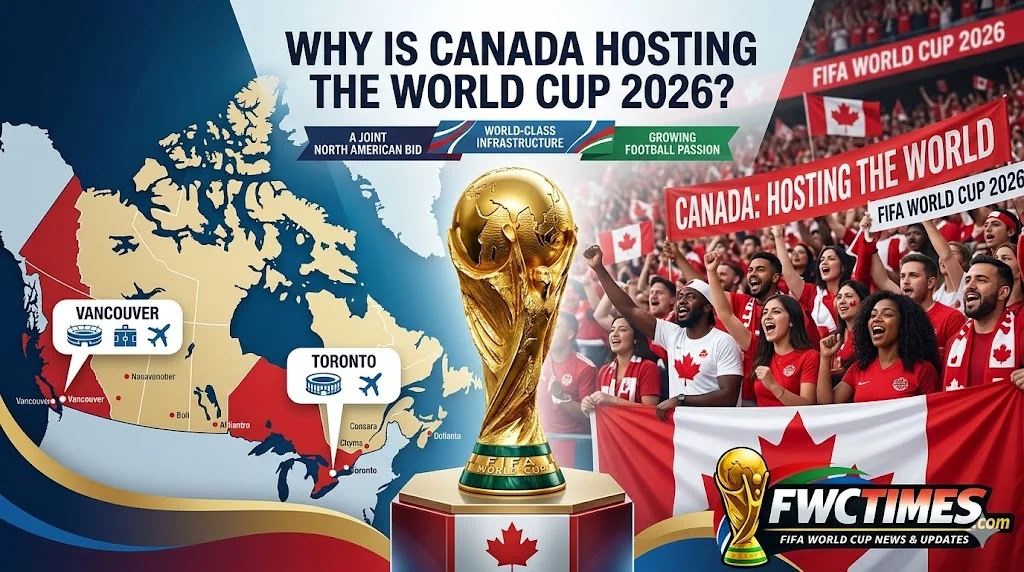
Many soccer fans ask why Canada hosting World Cup 2026 represents a major step for the nation. In fact, this article details the background of the joint bid and match details for the tournament co-hosts. Soccer is the largest participatory sport in Canada today with growing popularity. So you can visit our FIFA World Cup 2026 homepage to see current updates.
Shared Benefits: Why Canada Hosting World Cup 2026
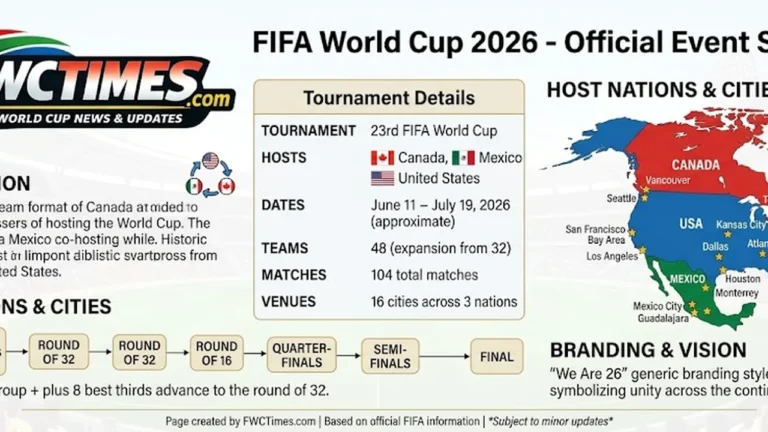
Canada joined the United States and Mexico to form the joint United bid. FIFA selected this North American proposal during the sixty-eighth Congress in 2018. Because the bid offered modern existing stadiums, it easily defeated Morocco’s rival bid. So Canada secured its place as a host country.
The expanded forty-eight team format requires more venues than past tournaments. Since the schedule includes one hundred and four total matches, sharing the load is essential. You can read our guide to see who qualified for the World Cup before the group draw. Still, each country will manage its own local host operations.
| City | Venue Name | Matches Count | Key Match Highlight |
|---|---|---|---|
| Toronto | Toronto Stadium | 6 | Canada plays opening match on June 12, 2026 |
| Vancouver | BC Place Vancouver | 7 | Canada plays remaining group matches here |
Details on Toronto and Vancouver Venues
Toronto will host six matches at Toronto Stadium during the tournament. The stadium will hold Canada’s opening game on June 12, 2026. As a result, local soccer fans can witness history firsthand. Opponents will travel from the USA to play at this venue.
Vancouver will host seven matches at the famous BC Place Vancouver. The national team will play their later Group B fixtures at this venue. Since the stadium sits in a major coastal city, travel is convenient. You can check our guide to see where the World Cup is being held for transit updates.
Local Reasons for Why Canada Hosting World Cup 2026
Only two Canadian cities will host matches during the tournament. Toronto and Vancouver will stage all thirteen games allocated to the country. On top of that, Canada will play its group matches on home soil. This local setup will generate incredible support for the national team.
Montreal’s Withdrawal and Budget Controls
Montreal was originally part of the host city selection process. Yet the city withdrew from the bid in 2021 due to financial concerns. Because FIFA has strict requirements, local officials decided the costs were too high. So they chose to focus on other public events instead.
The remaining hosts agreed to absorb any schedule changes. Both Toronto and Vancouver committed to upgrading their facilities for the games. As a result, the tournament matches will run smoothly in both cities. Local organizers are working to prepare comfortable environments for visiting supporters.
Frequently Asked Questions
Many fans ask questions about the Canadian venues and match allocations. You can find answers below to common queries about these details. In fact, these details help explain what to expect in Toronto and Vancouver.
Organizers continue to finalize the stadium logistics and transit options. So these responses highlight the main facts about the matches in Canada. Yet they also show how the joint bid functions.
Why is Canada hosting World Cup 2026?
Canada is hosting matches because it joined the winning joint United bid. FIFA selected the proposal from Canada, Mexico, and the United States. As a result, three nations will share the tournament duties. This model helps handle the expanded format.
How many matches will Canada host?
Canada will host thirteen matches in total during the tournament. Toronto will host six matches, while Vancouver will host seven matches. On top of that, Canada plays its group matches at home. This creates a great home advantage.
Why did Montreal withdraw from hosting?
Montreal withdrew in 2021 due to concerns over high costs. Local officials decided that FIFA’s strict requirements were too demanding. Since they wanted to protect public funds, they left the bid. This left only two Canadian host cities.
Where does Canada play their matches?
The Canadian team plays their opening group match in Toronto. After that, they will travel to Vancouver for their remaining games. So fans in both cities can support the national team. This schedule divides the home matches evenly.
Has Canada hosted the World Cup before?
No, 2026 marks the first time Canada will host the men’s World Cup. Still, the country hosted the FIFA Women’s World Cup in 2015. So local organizers have plenty of experience with major soccer tournaments. This background will ensure successful matches.
Conclusion
Canada’s hosting role will bring massive economic benefits and global exposure to the nation. The joint bid model allows the country to participate in a historic tournament. Since the matches are split between two cities, organizers can focus their efforts. Football fans will witness an unforgettable celebration of soccer.
You can stay tuned to FWCTimes for more stadium guides and team news. Our team publishes regular updates to help you follow the games. In fact, you can check our team pages for squad updates before the kickoff. These resources will help you follow every match with expert knowledge.