World Cup 2026 Standings: Group Tables, Points & Results

Track the FIFA World Cup 2026 standings in one place. The live tables below pull match results from FIFA’s official feed and sort every group automatically.
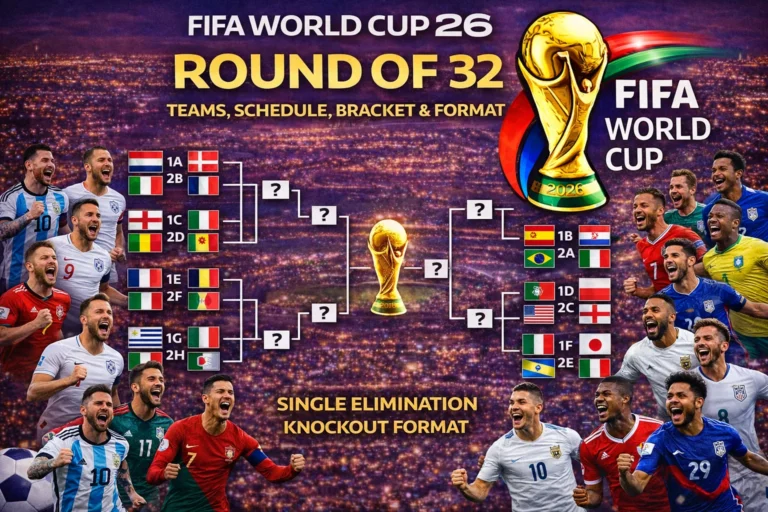
Each section shows played matches, goal difference, and points. The best third-placed ranking matters too, because eight of those teams reach the round of 32.
If you want the scoreline view first, open our FIFA World Cup live scores and fixtures hub. The group stage matches guide also helps if you are tracking the full calendar.
Group A
1 of 6 matches scored
| RK | Team | P | W | D | L | GF | GA | GD | PTS |
|---|---|---|---|---|---|---|---|---|---|
| 1 |  MexicoMEX MexicoMEX | 1 | 1 | 0 | 0 | 2 | 0 | 2 | 3 |
| 2 |  CzechiaCZE CzechiaCZE | 0 | 0 | 0 | 0 | 0 | 0 | 0 | 0 |
| 3 |  Korea RepublicKOR Korea RepublicKOR | 0 | 0 | 0 | 0 | 0 | 0 | 0 | 0 |
| 4 |  South AfricaRSA South AfricaRSA | 1 | 0 | 0 | 1 | 0 | 2 | -2 | 0 |
Group B
0 of 6 matches scored
| RK | Team | P | W | D | L | GF | GA | GD | PTS |
|---|---|---|---|---|---|---|---|---|---|
| 1 |  Bosnia and HerzegovinaBIH Bosnia and HerzegovinaBIH | 0 | 0 | 0 | 0 | 0 | 0 | 0 | 0 |
| 2 |  CanadaCAN CanadaCAN | 0 | 0 | 0 | 0 | 0 | 0 | 0 | 0 |
| 3 |  QatarQAT QatarQAT | 0 | 0 | 0 | 0 | 0 | 0 | 0 | 0 |
| 4 |  SwitzerlandSUI SwitzerlandSUI | 0 | 0 | 0 | 0 | 0 | 0 | 0 | 0 |
Group C
0 of 6 matches scored
| RK | Team | P | W | D | L | GF | GA | GD | PTS |
|---|---|---|---|---|---|---|---|---|---|
| 1 |  BrazilBRA BrazilBRA | 0 | 0 | 0 | 0 | 0 | 0 | 0 | 0 |
| 2 |  HaitiHAI HaitiHAI | 0 | 0 | 0 | 0 | 0 | 0 | 0 | 0 |
| 3 |  MoroccoMAR MoroccoMAR | 0 | 0 | 0 | 0 | 0 | 0 | 0 | 0 |
| 4 |  ScotlandSCO ScotlandSCO | 0 | 0 | 0 | 0 | 0 | 0 | 0 | 0 |
Group D
0 of 6 matches scored
| RK | Team | P | W | D | L | GF | GA | GD | PTS |
|---|---|---|---|---|---|---|---|---|---|
| 1 |  AustraliaAUS AustraliaAUS | 0 | 0 | 0 | 0 | 0 | 0 | 0 | 0 |
| 2 |  ParaguayPAR ParaguayPAR | 0 | 0 | 0 | 0 | 0 | 0 | 0 | 0 |
| 3 |  TürkiyeTUR TürkiyeTUR | 0 | 0 | 0 | 0 | 0 | 0 | 0 | 0 |
| 4 |  USAUSA USAUSA | 0 | 0 | 0 | 0 | 0 | 0 | 0 | 0 |
Group E
0 of 6 matches scored
| RK | Team | P | W | D | L | GF | GA | GD | PTS |
|---|---|---|---|---|---|---|---|---|---|
| 1 |  CuraçaoCUW CuraçaoCUW | 0 | 0 | 0 | 0 | 0 | 0 | 0 | 0 |
| 2 |  Côte d'IvoireCIV Côte d'IvoireCIV | 0 | 0 | 0 | 0 | 0 | 0 | 0 | 0 |
| 3 |  EcuadorECU EcuadorECU | 0 | 0 | 0 | 0 | 0 | 0 | 0 | 0 |
| 4 |  GermanyGER GermanyGER | 0 | 0 | 0 | 0 | 0 | 0 | 0 | 0 |
Group F
0 of 6 matches scored
| RK | Team | P | W | D | L | GF | GA | GD | PTS |
|---|---|---|---|---|---|---|---|---|---|
| 1 |  JapanJPN JapanJPN | 0 | 0 | 0 | 0 | 0 | 0 | 0 | 0 |
| 2 |  NetherlandsNED NetherlandsNED | 0 | 0 | 0 | 0 | 0 | 0 | 0 | 0 |
| 3 |  SwedenSWE SwedenSWE | 0 | 0 | 0 | 0 | 0 | 0 | 0 | 0 |
| 4 |  TunisiaTUN TunisiaTUN | 0 | 0 | 0 | 0 | 0 | 0 | 0 | 0 |
Group G
0 of 6 matches scored
| RK | Team | P | W | D | L | GF | GA | GD | PTS |
|---|---|---|---|---|---|---|---|---|---|
| 1 |  BelgiumBEL BelgiumBEL | 0 | 0 | 0 | 0 | 0 | 0 | 0 | 0 |
| 2 |  EgyptEGY EgyptEGY | 0 | 0 | 0 | 0 | 0 | 0 | 0 | 0 |
| 3 |  IR IranIRN IR IranIRN | 0 | 0 | 0 | 0 | 0 | 0 | 0 | 0 |
| 4 |  New ZealandNZL New ZealandNZL | 0 | 0 | 0 | 0 | 0 | 0 | 0 | 0 |
Group H
0 of 6 matches scored
| RK | Team | P | W | D | L | GF | GA | GD | PTS |
|---|---|---|---|---|---|---|---|---|---|
| 1 |  Cabo VerdeCPV Cabo VerdeCPV | 0 | 0 | 0 | 0 | 0 | 0 | 0 | 0 |
| 2 |  Saudi ArabiaKSA Saudi ArabiaKSA | 0 | 0 | 0 | 0 | 0 | 0 | 0 | 0 |
| 3 |  SpainESP SpainESP | 0 | 0 | 0 | 0 | 0 | 0 | 0 | 0 |
| 4 |  UruguayURU UruguayURU | 0 | 0 | 0 | 0 | 0 | 0 | 0 | 0 |
Group I
0 of 6 matches scored
| RK | Team | P | W | D | L | GF | GA | GD | PTS |
|---|---|---|---|---|---|---|---|---|---|
| 1 |  FranceFRA FranceFRA | 0 | 0 | 0 | 0 | 0 | 0 | 0 | 0 |
| 2 |  IraqIRQ IraqIRQ | 0 | 0 | 0 | 0 | 0 | 0 | 0 | 0 |
| 3 |  NorwayNOR NorwayNOR | 0 | 0 | 0 | 0 | 0 | 0 | 0 | 0 |
| 4 |  SenegalSEN SenegalSEN | 0 | 0 | 0 | 0 | 0 | 0 | 0 | 0 |
Group J
0 of 6 matches scored
| RK | Team | P | W | D | L | GF | GA | GD | PTS |
|---|---|---|---|---|---|---|---|---|---|
| 1 |  AlgeriaALG AlgeriaALG | 0 | 0 | 0 | 0 | 0 | 0 | 0 | 0 |
| 2 |  ArgentinaARG ArgentinaARG | 0 | 0 | 0 | 0 | 0 | 0 | 0 | 0 |
| 3 |  AustriaAUT AustriaAUT | 0 | 0 | 0 | 0 | 0 | 0 | 0 | 0 |
| 4 |  JordanJOR JordanJOR | 0 | 0 | 0 | 0 | 0 | 0 | 0 | 0 |
Group K
0 of 6 matches scored
| RK | Team | P | W | D | L | GF | GA | GD | PTS |
|---|---|---|---|---|---|---|---|---|---|
| 1 |  ColombiaCOL ColombiaCOL | 0 | 0 | 0 | 0 | 0 | 0 | 0 | 0 |
| 2 |  Congo DRCOD Congo DRCOD | 0 | 0 | 0 | 0 | 0 | 0 | 0 | 0 |
| 3 |  PortugalPOR PortugalPOR | 0 | 0 | 0 | 0 | 0 | 0 | 0 | 0 |
| 4 |  UzbekistanUZB UzbekistanUZB | 0 | 0 | 0 | 0 | 0 | 0 | 0 | 0 |
Group L
0 of 6 matches scored
| RK | Team | P | W | D | L | GF | GA | GD | PTS |
|---|---|---|---|---|---|---|---|---|---|
| 1 |  CroatiaCRO CroatiaCRO | 0 | 0 | 0 | 0 | 0 | 0 | 0 | 0 |
| 2 |  EnglandENG EnglandENG | 0 | 0 | 0 | 0 | 0 | 0 | 0 | 0 |
| 3 |  GhanaGHA GhanaGHA | 0 | 0 | 0 | 0 | 0 | 0 | 0 | 0 |
| 4 |  PanamaPAN PanamaPAN | 0 | 0 | 0 | 0 | 0 | 0 | 0 | 0 |
Best Third-Placed Teams
The strongest eight third-placed teams move into the round of 32.
| RK | Group | Team | P | W | D | L | GF | GA | GD | PTS |
|---|---|---|---|---|---|---|---|---|---|---|
| 1 | Group J | AustriaAUT | 0 | 0 | 0 | 0 | 0 | 0 | 0 | 0 |
| 2 | Group E | EcuadorECU | 0 | 0 | 0 | 0 | 0 | 0 | 0 | 0 |
| 3 | Group L | GhanaGHA | 0 | 0 | 0 | 0 | 0 | 0 | 0 | 0 |
| 4 | Group G | IR IranIRN | 0 | 0 | 0 | 0 | 0 | 0 | 0 | 0 |
| 5 | Group A | Korea RepublicKOR | 0 | 0 | 0 | 0 | 0 | 0 | 0 | 0 |
| 6 | Group C | MoroccoMAR | 0 | 0 | 0 | 0 | 0 | 0 | 0 | 0 |
| 7 | Group I | NorwayNOR | 0 | 0 | 0 | 0 | 0 | 0 | 0 | 0 |
| 8 | Group K | PortugalPOR | 0 | 0 | 0 | 0 | 0 | 0 | 0 | 0 |
| 9 | Group B | QatarQAT | 0 | 0 | 0 | 0 | 0 | 0 | 0 | 0 |
| 10 | Group H | SpainESP | 0 | 0 | 0 | 0 | 0 | 0 | 0 | 0 |
| 11 | Group F | SwedenSWE | 0 | 0 | 0 | 0 | 0 | 0 | 0 | 0 |
| 12 | Group D | TürkiyeTUR | 0 | 0 | 0 | 0 | 0 | 0 | 0 | 0 |
If a tie survives points, goal difference, and goals scored, FIFA turns to head-to-head metrics. Fair play and drawing of lots can still matter in rare cases.
How FIFA breaks ties
| Order | Tiebreaker | Why it matters |
|---|---|---|
| 1 | Points | Three for a win and one for a draw still decide the first split. |
| 2 | Goal difference | Teams need both control and scoring power across all three group matches. |
| 3 | Goals scored | Attack can separate teams when points and goal swing stay level. |
| 4 | Head-to-head points | Direct meetings become decisive once overall numbers stay level. |
| 5 | Head-to-head goal difference and goals scored | Mini-league details can reorder a tight group fast. |
| 6 | Fair play, then drawing of lots | Discipline still matters when football numbers cannot split teams. |
Frequently Asked Questions
How do the FIFA World Cup 2026 standings work?
Each group table ranks teams by points first. Goal difference, goals scored, and head-to-head records then break ties.
How many teams advance from each group?
The top two teams in every group move through automatically. The eight strongest third-placed teams also qualify.
Do these standings update live?
Yes. The widget requests FIFA’s official match feed on page load, so new scores push the tables forward without a manual rewrite.
Why is the best third-placed table important?
The expanded 48-team format keeps third place alive. That race decides eight extra round-of-32 spots.
Can fair play decide FIFA World Cup 2026 standings?
Yes. If points and football tiebreakers stay level, disciplinary records can still change the final order.
Read Also: FIFA World Cup Round of 32 format and knockout path