Meet the Official World Cup 2026 Mascot Characters

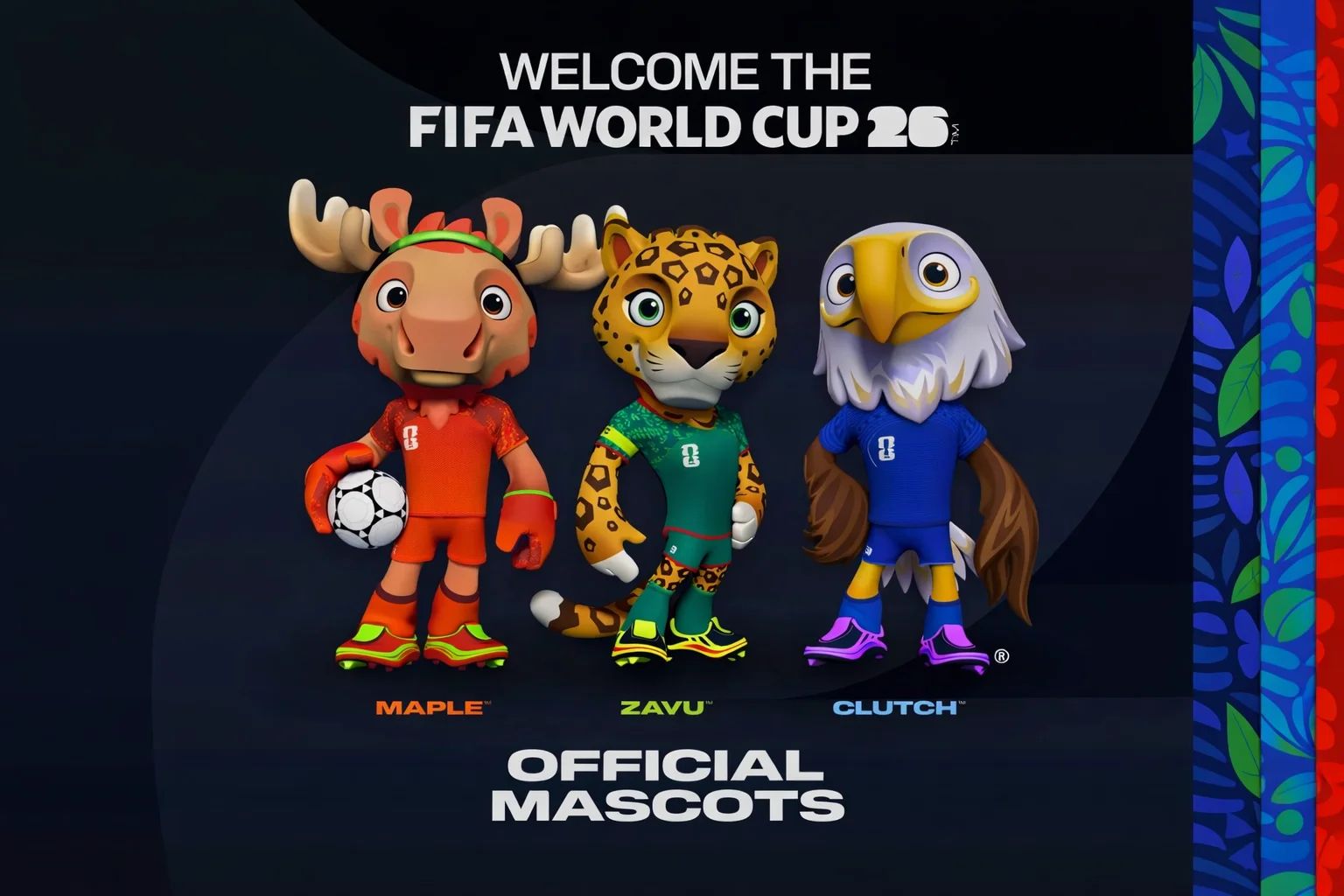
The official World Cup 2026 mascot brings a fresh wave of excitement to global soccer fans. The tournament organizers introduced a trio of friendly animal characters to represent the host countries. Since three nations share hosting duties, a group of symbols makes perfect sense. This creative approach celebrates the collaborative spirit of the historic tournament.
Supporters will see these symbols on stadium merchandise and digital platforms. The characters highlight the cultural diversity of Canada, Mexico, and the United States. In fact, each character possesses distinct personalities and specific playing positions on the pitch. You can follow their journey as they promote the games.
The Creative Meaning of the World Cup 2026 Mascot Trio
Designers created three unique animals to represent the rich heritage of the host nations. Maple the Moose represents Canada and wears red and white goalkeeper gear. Because of his love for music and street art, he connects well with young supporters. Fans from Germany and other visiting countries will enjoy his artistic vibe.
Zayu the Jaguar represents the vibrant culture of Mexico with energy and joy. This character loves traditional dance and plays as a fast striker. After all, the jaguar remains a historic symbol of strength in Mesoamerican culture. Visitors will see Zayu performing at various fan zones during the summer.
Clutch and the Promotion of Unity
Clutch the Bald Eagle represents the host stadiums in the USA. This character is an adventurous midfielder who displays boundless optimism on the pitch. So he represents the competitive spirit and ambition of the American soccer community. You will see Clutch motivating fans in major cities throughout the competition.
The three characters will work together to welcome fans to the FIFA World Cup 2026. Their joint appearances emphasize the message of continental unity and sportsmanship. That said, collectors will search for special mascot sets that feature all three animals. You can find more visual design details on the official tournament emblem page.
| Mascot Name | Animal Represented | Host Nation | Pitch Position |
|---|---|---|---|
| Maple | Moose | Canada | Goalkeeper |
| Zayu | Jaguar | Mexico | Striker |
| Clutch | Bald Eagle | United States | Midfielder |
Where to Find Official Merchandise
Official stadium stores will offer plush toys and clothing items during the tournament. You should purchase souvenirs only from authorized retail partners to avoid fake items. As a result, you will support the event directly while getting quality memorabilia. The official online shop will also deliver these goods worldwide.
Digital versions of the mascots will appear in official mobile apps and video games. Fans can unlock special sticker packs for messaging platforms before kickoff. Even so, the physical plush toys remain the most popular collector items. You must check the official guidelines for information on licensed sellers.
Frequently Asked Questions
Who are the World Cup 2026 mascots?
The official characters for the tournament are Maple, Zayu, and Clutch. They represent the three host nations of Canada, Mexico, and America. Fans will see them at stadiums and in online media. Each character has a specific role and design.
What animal represents Canada?
Maple the Moose is the official character representing Canada. This animal represents the vast forests and natural wilderness of the nation. Maple wears red and white athletic gear to match the flag. He is styled as a goalkeeper who loves street art.
What animal represents Mexico?
Zayu the Jaguar represents Mexico during the tournament. The jaguar is a traditional symbol of strength in Mexican history. Zayu wears green gear to represent the national team colors. She is styled as a fast striker who loves dancing.
What animal represents the United States?
Clutch the Bald Eagle represents the United States at the event. The eagle is a historic symbol of American freedom and pride. Clutch is styled as an energetic midfielder wearing blue sports apparel. He represents optimism and ambition on the pitch.
Where can I buy official mascot toys?
Official toys will be available at tournament stadium shops. You can also purchase them from the official web store online. Fans should avoid third-party sellers to prevent buying cheap counterfeit goods. Check the official product labels for holograms to ensure authenticity.
Check Also: Football Fans Are Snacking On During World Cup 2026 Watch Parties