Confirmed Teams: Who Qualified World Cup 2026?

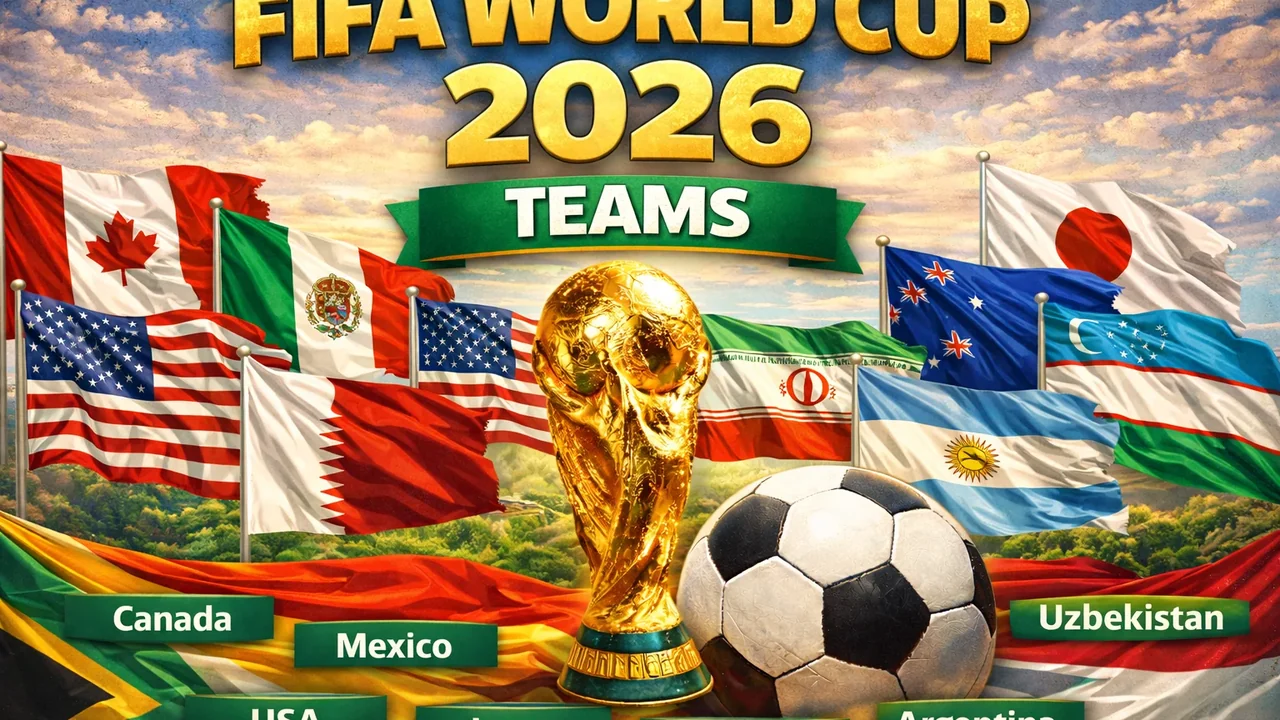
Fans around the world eagerly check the list of confirmed participants for the tournament in North America. In fact, knowing who qualified World Cup 2026 helps supporters prepare for the group stage draw. The qualification games concluded on March 31, 2026, after years of intense regional matches. So you can visit our FIFA World Cup 2026 portal to follow squad updates.
Complete List: Who Qualified World Cup 2026
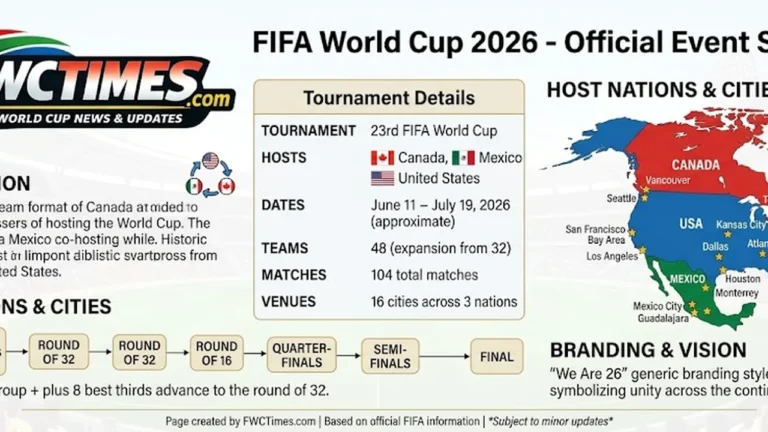
The expanding tournament field creates opportunities for many developing soccer nations. FIFA increased the participant list from thirty-two to forty-eight teams. Because more spots are available, teams like Uzbekistan and Jordan made historic breakthroughs. Still, traditional heavyweights like Brazil and Argentina easily secured their places.
Fans will see dynamic group stages with twelve groups of four teams. The top two nations from each group will advance directly. On top of that, the eight best third-place teams will enter the knockouts. This format ensures that matches remain highly competitive until the very end.
| Region | Confirmed Qualified Teams | Slots |
|---|---|---|
| Co-hosts | Canada, Mexico, United States | 3 |
| UEFA | Austria, Belgium, Bosnia and Herzegovina, Croatia, Czechia, England, France, Germany, Netherlands, Norway, Portugal, Scotland, Spain, Sweden, Switzerland, Türkiye | 16 |
| CAF | Algeria, Cabo Verde, Congo DR, Côte d’Ivoire, Egypt, Ghana, Morocco, Senegal, South Africa, Tunisia | 10 |
| AFC | Australia, Iraq, IR Iran, Japan, Jordan, Korea Republic, Qatar, Saudi Arabia, Uzbekistan | 9 |
| CONMEBOL | Argentina, Brazil, Colombia, Ecuador, Paraguay, Uruguay | 6 |
| Concacaf | Curaçao, Haiti, Panama | 3 |
| OFC | New Zealand | 1 |
Confederation Slot Distributions
Europe has the largest representation with sixteen spots in the tournament. These UEFA qualifiers completed their paths through tough group play. Since the level of competition is high, some big names missed out. Even so, teams like England secured their places comfortably.
Africa also gained major representation under the new forty-eight team format. CAF sent ten nations to the tournament after intense group qualifiers. As a result, fans will see teams like Morocco on the big stage. These teams bring fresh energy and style to the global audience.
Regional Slots for Who Qualified World Cup 2026
Asia received nine spots in this expanded tournament format. Powerhouses like Japan, Australia, and South Korea qualified without major issues. On top of that, Qatar and Saudi Arabia showed great form in qualifiers. This strong group hopes to make a deep run in North America.
Host Nation Details and Venues
Canada will host group matches in Vancouver and Toronto. You can view the why Canada is hosting the World Cup 2026 page for details. Since they play at home, the Canadian team enjoys massive local support. This advantage could help them progress past the challenging group stage.
The co-hosts in the USA will hold matches across eleven different cities. Their national team will play their initial games on the West Coast. After that, the final match will take place in New Jersey. Fans can check our where the World Cup is being held guide for travel tips.
Frequently Asked Questions
Many fans ask questions about the qualified nations and slot rules. You can find answers below to common queries about this historic list. In fact, these details help explain how the expansion format works.
Organizers continue to finalize the schedules and hotel bases for each squad. So these responses highlight the main facts about the qualified teams. Yet they also show what to expect during the group stages.
Who qualified World Cup 2026?
All forty-eight teams have confirmed their spots for the tournament. Canada, Mexico, and the United States entered automatically as hosts. On top of that, forty-five other nations won regional qualifiers. This completes the largest field in football history.
When did the qualification process finish?
The qualification matches officially concluded on March 31, 2026. Teams from six confederations competed for the remaining slots. As a result, several nations secured their first tournament appearances. This ended a long and exciting qualifying process.
Which region got the most slots?
Europe received sixteen slots for the expanded tournament. Africa followed with ten slots, while Asia received nine slots. Even so, every region saw an increase in available places. This change allows more diverse representation in North America.
How many groups are in the tournament?
The forty-eight teams are divided into twelve groups of four. The top two teams from each group qualify automatically. Since there are twelve groups, the eight best third-place teams also advance. This structure leads to a round of thirty-two.
Where do the host countries play?
Each co-host nation plays all their group matches at home. Canada plays in Vancouver and Toronto, while Mexico plays in three cities. On top of that, the United States plays on the West Coast. So home fans can support their teams directly.
Conclusion
The confirmed list of qualified nations sets the stage for a historic tournament. Fans can expect intense matches across the three host countries. Since the tournament begins in June, teams are finalizing their preparations. The expanded field ensures that soccer fans will enjoy more games.
You can stay tuned to FWCTimes for detailed updates on squads and injuries. Our team publishes regular updates to help you follow your favorite country. In fact, you can check our team pages for squad updates before the kickoff. These resources will help you follow every match with expert knowledge.