How to Qualify World Cup 2026 Group Stage Explained

Football fans want to understand the new tournament format for the upcoming competition. You can discover how to qualify World Cup 2026 group stage games through various routes. The expanded FIFA World Cup 2026 changes how teams approach their opening matches. This article covers the points system, third-place rules, and tiebreaker criteria.
Each group will offer intense matches that test squad depth. Managers must plan their tactical approaches to maximize points. Supporters can expect dramatic fixtures from the opening whistle. Understanding the qualification details helps viewers follow the brackets.
Pathways on How to Qualify World Cup 2026 Group Stage
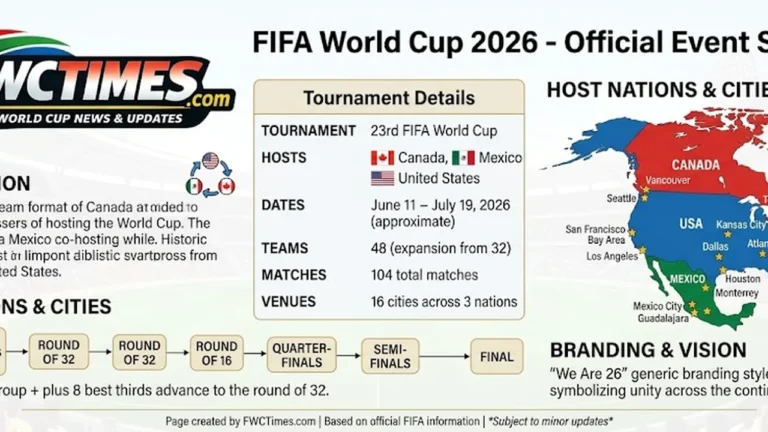
The first pathway involves finishing in the top two spots of your group. These first and second positions secure direct passage to the knockouts. A total of 24 national teams will qualify through this direct method. Teams will fight hard to secure these automatic qualification slots.
The second pathway depends on the rankings of the third-place teams. FIFA will compare all twelve third-place finishers in a separate table. The top eight teams from this group will also reach the knockouts. This rule keeps the group stage competitive until the final whistle.
How to Qualify World Cup 2026 Group Stage Points System
Teams earn three points for a victory and one point for a draw. A defeat results in zero points for the losing nation. The tournament features twelve groups with four teams in each group. Winning matches early remains the most effective strategy for safety.
Four points often proves sufficient to reach the next stage as well. Three points will keep a team in contention but offers no guarantees. Goal difference will decide the fate of many third-place nations. Managers must focus on scoring goals to build a safety margin.
Summary of Group Qualification Status
Each final standing in the group determines the team’s tournament path. The structured details clarify the exact outcomes for each position. Teams must check the rules to understand their qualification requirements.
| Finish | Qualification Result | What It Means |
|---|---|---|
| 1st in group | Qualifies automatically | Moves into the round of 32 |
| 2nd in group | Qualifies automatically | Moves into the round of 32 |
| 3rd in group | Possible qualification | Needs to rank among the best eight third-place teams |
| 4th in group | Eliminated | Cannot reach the knockout stage |
Goal Difference and Tiebreaker Rules
Tiebreakers will separate teams that finish with the same points total. Goal difference is the primary tiebreaker used in the tournament standings. Teams must focus on scoring goals while maintaining a solid defense. A high goal tally can save a team from early elimination.
Head-to-head results will separate teams if the goal difference is identical. Fair-play records will become the next tiebreaker if teams remain level. Players must avoid yellow and red cards to protect their standings. Fans can study the World Cup 2026 format guide for more details.
The Impact of the Round of 32
The introduction of the Round of 32 changes team strategies significantly. Coaches will manage player fatigue across a longer tournament schedule. A team might rotate its squad if qualification is secured early. This depth will determine which countries advance deep into the tournament.
The extra knockout game adds more physical demands on the players. Tactical adjustments will become crucial during these single-elimination matches. Teams must prepare for penalty shootouts and extra-time periods. You can check how the tournament progresses on the World Cup teams hub for details.
How Fans Track Group Matches
Supporters can monitor live group standings as the matches progress. Goals in other stadiums will affect your favorite team’s qualification chances. Keeping track of the points and goal differences is essential. You should check the World Cup 2026 groups tables regularly.
The third-place comparisons will keep fans calculating throughout the week. A single late goal can alter the entire knockout bracket setup. Supporters must follow the official results to see the match pairings. We provide comprehensive coverage of these critical matches as they happen.
Conclusion
The expanded format guarantees a thrilling group stage for soccer fans. Teams must balance attacking aggression with disciplined defensive structures. Goal difference will determine which third-place teams advance to the knockouts. You can follow the action closely as the teams compete.
Frequently Asked Questions
How do teams qualify from the group stage in 2026?
Teams must finish first or second in their group to qualify automatically. The eight best third-place teams also secure places in the Round of 32. This format allows 32 teams to advance from the groups. You must track points and goal differences closely.
How many teams advance from each group?
Two teams from each group qualify automatically for the knockouts. A third-place team can also qualify if their record is strong enough. This setup means up to three teams can advance from one group. The bottom team is always eliminated.
Can third-place teams reach the knockouts?
Yes, third-place teams can qualify for the Round of 32. Eight of the twelve third-place finishers will advance in the tournament. FIFA will rank these teams based on points and goal differences. The four lowest-ranked third-place teams will go home.
What is the primary tiebreaker in the group stage?
Goal difference is the first tiebreaker used to separate level teams. If goal difference is equal, the goals scored will decide the ranking. Head-to-head records are used if teams still remain level. Fair-play points act as the final tiebreaker.
How many points are needed to secure qualification?
A total of six or seven points guarantees direct qualification. Four points is usually enough to secure a third-place advancement spot. Three points can be sufficient but depends on other group results. Teams should aim for at least four points.