Centre Back Football Explained for Fans

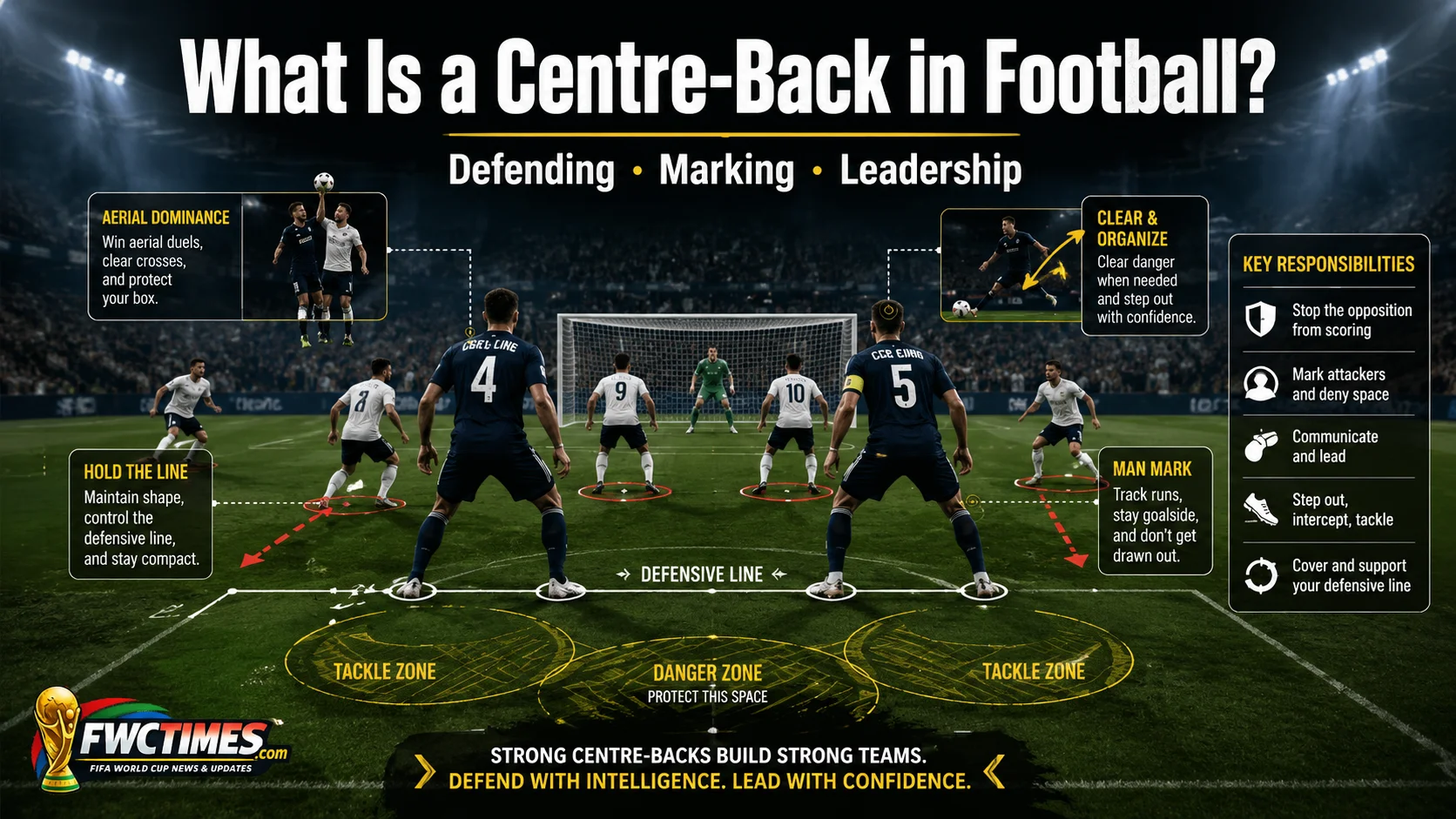
The centre back football role has evolved dramatically over the last two decades. Transforming from a primarily physical stopping position into one of the most technically demanding roles in the modern game. A centre-back defends the most dangerous central spaces in front of goal, wins aerial duels against forwards. And Organises the defensive line throughout the entire match and on top of that.
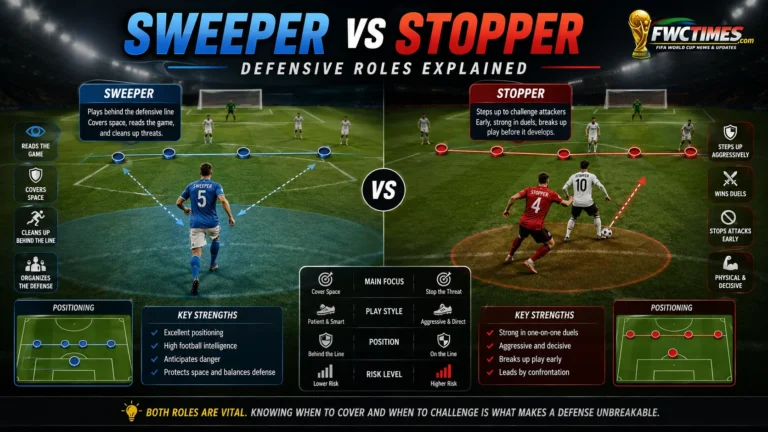
The traditional “stopper” centre-back who simply headed and tackled everything. Within range is now largely a relic of a previous era. Coaches at the highest level now demand defenders with the. Technical profile of a midfielder when their team has the ball.
Centre Back Football Guide
Protecting the goal remains the centre-back’s foundational duty. Achieved through a combination of marking opposing forwards, blocking shots, intercepting passes. And Winning both aerial and ground duels in the penalty area. Good positional awareness often matters more than dramatic last-ditch tackles.

Aerial duels during set pieces and crosses represent one of the most physically demanding aspects of the role. A centre-back must judge the flight of the ball, track the striker’s movement. And Attack the ball before the forward can set their feet — because the player. Who moves first to the ball’s projected landing point almost always wins the aerial contest.
Tactical Role of Centre Back Football
Centre-backs see the entire defensive structure ahead of them. Giving them a uniquely comprehensive view situation that allows them to direct teammates, manage the defensive line. And Warn midfielders about approaching runners and elite centre-backs like Ruben Dias of Manchester City and Portugal have built. Reputations specifically around their ability to organise and lead the defensive unit.
Leadership in this position also extends to helping younger or less experienced. Defenders in the same backline maintain their concentration during difficult passages of play. A seasoned centre-back can calm a defence that is being overwhelmed by directing individual players back to their positions. Slowing the pace of restarts, or providing a steady physical presence that reassures anxious teammates.
Building from the Back: The Modern Centre Back’s Attacking Role
Building from the back has become one of the defining tactical trends of the last decade. And The centre-back’s ability to handle this responsibility directly determines. How successfully a team can initiate and sustain attacks from deep and during goal kicks and goalkeeper distributions. Centre-backs position themselves to receive the ball under press, requiring the composure and technical ability to control, turn.
Centre-backs also have the option to carry the ball forward into midfield when opponents block conventional passing lanes. And This action can be effective at destabilising a team’s defensive shape. When a centre-back steps forward with the ball. An opposition midfielder must follow them or leave a dangerous pocket of space behind them.
| Role | Main Area | Primary Job | Key Difference |
|---|---|---|---|
| Centre-back | Central defence | Protect goal, build play | Defends central forwards and crosses |
| Full-back | Wide defence | Stop wingers and support wide attacks | Works near touchline; attacks in advanced areas |
| Defensive midfielder | Ahead of defence | Screen and recover | Defends before danger reaches the backline |
| Goalkeeper | Penalty area | Save shots and organise | Only player permitted to use hands inside the box |
Famous Centre Backs at World Cup 2026
William Saliba of Arsenal represents one of the most exciting centre-back profiles. At the 2026 World Cup as part of France’s defensive unit. His composure in possession and consistency in elite competition have earned him a reputation as. One of the most complete central defenders in world football at just 25 years old.
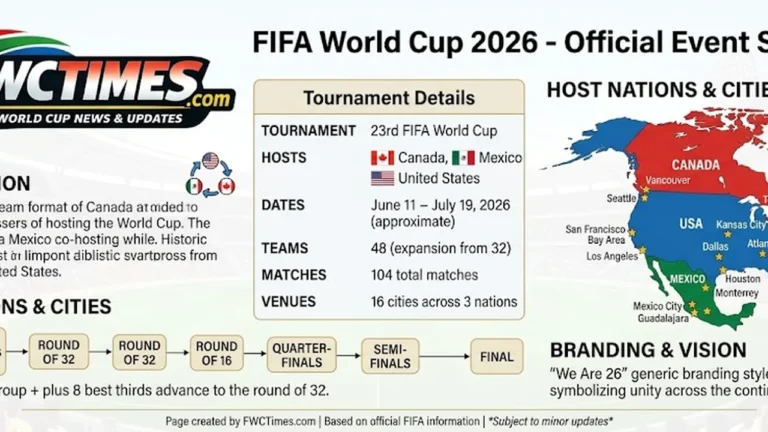
The expanded 48-team format at World Cup 2026 means centre-backs will. Face an unusually wide variety of opponents within a single tournament. They must handle low-block defensive teams in the group stage, direct high-pressing sides in the round of 32. And Physically aggressive counter-attacking nations in the latter knockout rounds.
Frequently Asked Questions
What is a centre back in football?
A centre-back is a central defender who plays in front of the. Goalkeeper and manages protecting the most dangerous area of the defensive structure. Their primary duties include marking opposing forwards, winning aerial and ground duels, blocking shots, intercepting passes. And Organising the defensive line through communication with teammates and in modern football.
What are the main duties of a centre back in football?
The main defensive duties include marking opponents, attacking crosses before forwards can finish, blocking shots, making tackles. And Winning aerial duels in the penalty area. Organisational duties include managing the offside trap, directing teammates’ positioning, and communicating pressing triggers throughout the match. In possession, centre-backs receive from the goalkeeper under pressure, progress the ball into midfield with accurate distribution.
How is a centre back different from a full back in football?
A centre-back defends the central area of the backline, marking central strikers, attacking crosses. And Protecting the most direct route to goal and a full-back operates on the wide flanks. Tracking opposing wingers and often joining the team’s attacks by overlapping into advanced positions near the touchline. While centre-backs stay deeper and more positionally fixed during attacks.
Who are the best centre backs going into World Cup 2026?
William Saliba of Arsenal and France is widely regarded as one. Of the most complete centre-backs in world football heading into 2026 and combining elite positioning with outstanding composure. Ruben Dias of Manchester City and Portugal is known for. His defensive discipline and ability to organise the backline under pressure.
Why do centre backs need good passing ability in modern football?
Modern tactical systems require teams to build attacks from the back rather than simply clearing the ball under pressure. This Means centre-backs receive the ball from goalkeepers and must play forward accurately under intense opposition pressing. A centre-back who cannot control and distribute the ball confidently becomes a liability in possession. Forcing the team to abandon its build-up structure and resort to long clearances that concede possession immediately.
Conclusion
The centre back football role has never been more demanding or more important. To a team’s overall structure than it is heading into World Cup 2026. From leading the defensive line through organised communication to initiating attacks with confident passing from deep. The modern centre-back must excel across a wider range of technical and.