What Is Offside Trap Football?

Defenders use the offside trap football tactic to stop opponents from reaching the goal. This article explains the rules, timing, and risks of using a high defensive line. Coaches apply this strategy to limit space and win the ball back quickly. We will analyze how modern teams use this plan to control matches.
The back line must move forward as one unit to catch the runner offside. If one player reacts too late, the opponent will have a clear run at the net. This coordination requires constant communication and high concentration levels during the game. Teams practice this movement on the training ground to perfect their timing.
What Is the Offside Trap Football System?
The tactic relies on the official offside rule to stop attacking runs. Under the official rules, an attacker cannot stand nearer to the goal line than the second-last defender. When the passer releases the ball, the defensive line steps forward to leave the forward behind. This action forces the assistant referee to raise the flag and halt the play.
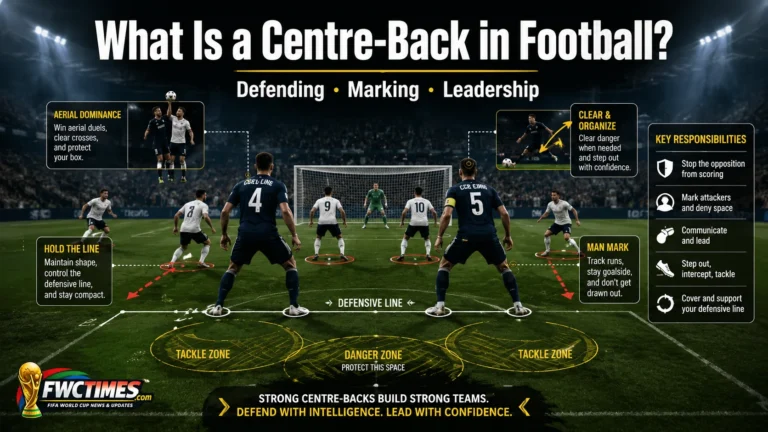
A successful line requires a strong leader in the centre-back role to direct the team. This leader must call the step at the exact moment the opponent tries to pass. If the midfielder has time to pass, the defense must drop back instead of stepping up. Pressuring the ball remains vital to make the defensive action work.
Key Timing for Offside Trap Football
Defenders must watch the body language of the opposing midfielder carefully. They should step forward only when the player prepares to kick the ball. Stepping too early allows the forward to run back into an onside position. Stepping too late gives the attacker a head start toward the goal.
The goalkeeper plays a key role by staying high up the pitch. A good keeper must sweep behind the defensive line to clear long balls. This positioning helps protect the open space when the trap fails. Modern teams need active keepers to make this defensive setup safe.
Tactical Application of the System
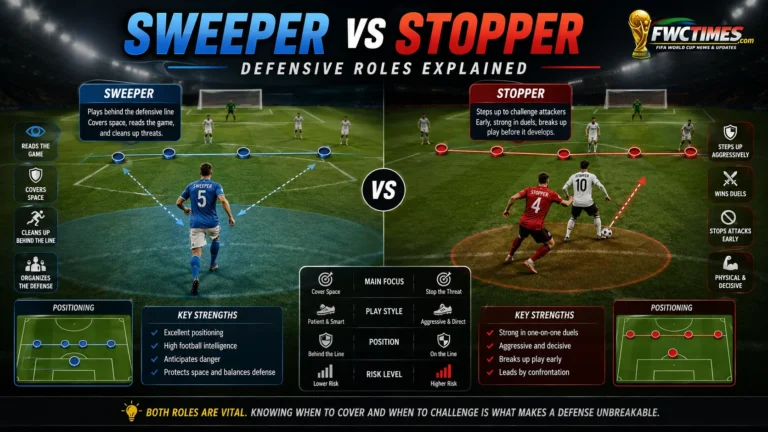
Teams that utilize a high press often use this defensive approach. Pressing the opponent forces quick passes and makes the defense more effective. The back four must maintain a straight line across the pitch at all times. A single mistake from a full-back will keep the opposing forward onside.
A disciplined full-back in football must coordinate with the nearest central defender. They must not drop deeper than the rest of the defensive unit. If they lose concentration, the entire defensive structure will fail immediately. Coaches spend hours organizing these movements during tactical sessions.
Offside Trap Strengths and Risks
This defensive system offers great rewards but carries major dangers for the team. Catching an opponent offside can stop an attack without physical contact. It also allows the team to win the ball high up the pitch. We analyze the primary advantages and risks of this tactic below.
| Area | Benefit | Risk |
|---|---|---|
| Space Control | Compresses the pitch and limits through balls | Leaves space behind the line |
| Defending | Stops runs without tackles | Fails if one defender drops late |
| Pressing | Supports a high team shape | Needs pressure on the passer |
| Communication | Rewards a connected defensive line | Needs clear leadership and timing |
| VAR | Can confirm tight offside calls | Margins can be very small |
The biggest risk comes from the open space behind the back line. If the attackers beat the trap, they will face the goalkeeper alone. Fast forwards can exploit this space if defenders make a bad decision. Teams must balance their defensive height with the speed of their opponents.
Offside Trap vs High Line
Many fans confuse a high defensive line with this specific step tactic. A high line represents the general position of the defense on the pitch. In contrast, the trap is the active movement to catch the attacker offside. A team can use a high line without ever attempting to trap opponents.
Coaches who prefer a 4-3-3 formation often use both defensive ideas together. The front line presses the ball while the defenders push up to squeeze space. This combination forces the opponent to play long passes under pressure. The defensive unit then steps forward to intercept these hopeful balls.
How Attackers Beat the Tactic
Smart forwards use different runs to break the defensive line. They can run horizontally across the pitch before sprinting forward. This movement keeps them onside until the passer plays the ball. Passing players can also delay their release to ruin the defensive timing.
Fast wingers often run from deep positions to beat the trap. They start behind the midfielders and run past the static defenders. Because they start from deep, the defensive line cannot catch them offside easily. Defenders must track these runs rather than stepping forward blindly.
Relevance to the FIFA World Cup 2026
The FIFA World Cup 2026 will feature teams using advanced defensive structures. Coaches will employ high lines to dominate possession in matches. The tournament matches will show how teams handle quick transitions in large stadiums. We expect to see many tactical variations during the tournament games.
New semi-automated offside technology will help referees make accurate decisions. This technology will detect small margins when defenders step forward. It will support teams that execute the defensive step with perfect timing. The system will reduce delays during critical goal reviews in the matches.
Frequently Asked Questions
What is the main goal of the offside trap in football?
The defensive line steps forward to catch an attacker in an offside position. This tactic stops the opponent from reaching the goal without a tackle. It also helps the team win the ball back in high areas of the pitch.
Which position organizes the offside trap football tactic?
The central defenders usually organize this defensive movement. A leader in the back line must call the step at the right moment. The entire unit must then move forward together immediately to make it work.
What is the biggest risk of using this tactic?
The main risk is the large open space left behind the defenders. If the step is late, the attacker will have a clear run on goal. Fast opponents can easily exploit this space to score.
How does VAR affect the offside trap football strategy?
Video assistant referees make the tactic safer for defending teams. The cameras can detect very small offside margins that human officials might miss. This technology helps confirm correct defensive decisions during matches.
Can a team use a high line without the trap?
Yes, a team can position its defense high up the pitch without trapping. Defenders can drop back as the pass is played to cover space. The trap requires an active step forward rather than just high positioning.
Conclusion
The offside trap remains a powerful tool for well-drilled defensive units. It requires excellent communication, perfect timing, and active pressure on the ball. When executed correctly, it can completely neutralize the best attacking teams in the world. We will see many teams use this strategy during the upcoming matches.
Fans can look forward to exciting tactical battles on the pitch. To find more football guides, check our other tactical explainers. Read also: What Is a Counter-Attack in Football? Our writers update the site regularly with fresh tactical content.