4-3-3 Formation Football: How the Shape Works

The 4-3-3 formation football system remains one of the most popular setups in the modern game. This shape divides ten outfield players into four defenders, three midfielders, and three forwards. Coaches use this structure to balance attacking width with solid central midfield control. Elite national squads like France rely on its pressing and possession principles.
Possession-based teams prefer this alignment because it naturally creates passing triangles across the pitch. The short distances between players help them keep the ball under intense opponent pressure. The front three can press high to force fast turnovers near the opponent’s goal. Defensive recovery remains critical the moment the team loses possession in any area.
How the 4-3-3 Formation Football Operates
The system operates by splitting the field into distinct vertical zones of responsibility. The back four covers the width of the defensive third with coordinated positioning. The midfield trio controls the centre and links play between defence and attack. The front three stretches the opposing defensive line to create open channels for runners.
Success depends on the constant movement and rotation of the central midfielders. They must offer passing outlets to the defenders under opposition pressing. One player usually stays deep to screen the defence and protect against counter-attacks. The other two midfielders push forward to join attacks and arrive late into the box.
Player Roles in the 4-3-3 Formation Football
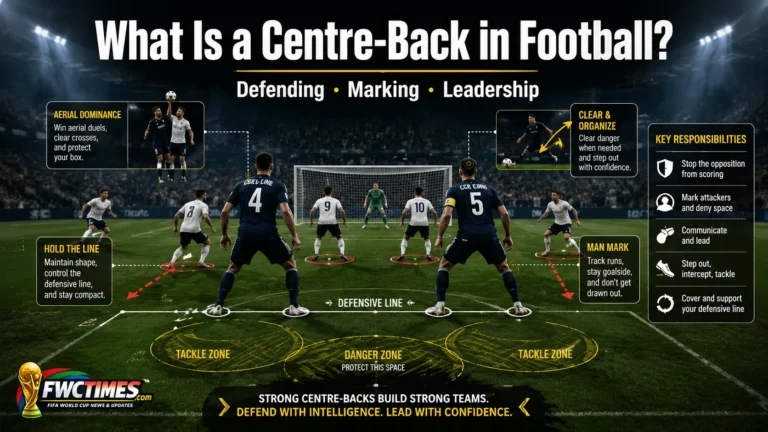
The goalkeeper must distribute the ball calmly to start attacks from the defensive third. The centre-backs split wide to receive short passes under pressure from the opposing press. The full-backs push high to support the wingers in the attacking phase of play. These coordinated movements force the opponent to shift their entire defensive block repeatedly.
The single holding midfielder must protect the central space behind each attacking midfielder. The two advanced midfielders make late runs into the penalty area at the right moments. The wingers stay near the touchline to isolate defenders in one-on-one wide situations. The central striker links play and finishes chances near goal with clinical efficiency.
Attacking Phase and Positional Rotations
In possession, the shape changes fluidly to create multiple passing options at every moment. The full-backs can overlap to deliver crosses or cut-backs into the penalty area. The wingers can cut inside to shoot or combine with the striker through quick exchanges. These rotations make the team unpredictable and difficult to defend in the final third.
Midfielders must time their forward runs carefully to avoid crowding the central striker’s space. They can exploit the gaps created when the wingers pull opposition defenders wide. The team keeps possession by moving the ball quickly through these open zones across the pitch. Safe backward passes help reset the attack when all forward lanes become blocked.
Defensive Pressing and Midfield Cover
The front three leads the high press the moment the ball is lost in any area. The striker closes down the ball-carrying centre-back to prevent a clean distribution. The wingers block passing lanes to the opposing full-backs at the same time. This combined pressure forces the opponent to play risky long passes under pressure.
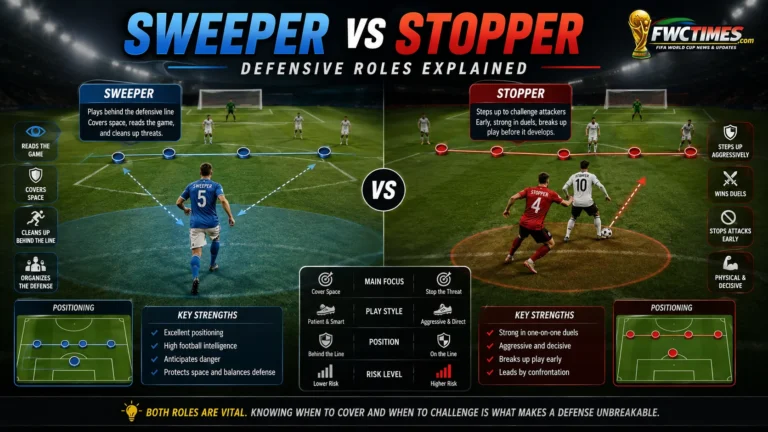
The midfield line must remain compact and connected behind the pressing forwards at all times. If large gaps appear, the opponent will pass directly through the central spaces. The defensive line must push high to compress the available space for the opposition. This high line requires a modern ball-playing defender to cover runs made in behind.
Tactical Comparison
| Role Name | Primary Duty | Key Attribute |
|---|---|---|
| Full-Back | Defend flanks and support wide attacks | Stamina and crossing ability |
| Holding Midfielder | Protect back line and distribute ball | Tactical discipline and passing |
| Advanced Midfielder | Create chances and run into box | Creativity and finishing |
| Winger | Stretch defense and isolate full-backs | Dribbling speed and acceleration |
| Striker | Pin centre-backs and score goals | Positioning and shooting accuracy |
The table outlines the specific demands placed on each position in the system. Every player must understand their role clearly to maintain structural team balance. A single weak link can expose the entire defensive shape under pressure. Coaches spend hours drilling these movements and rotations on the training ground.
Tactical Value at the FIFA World Cup 2026
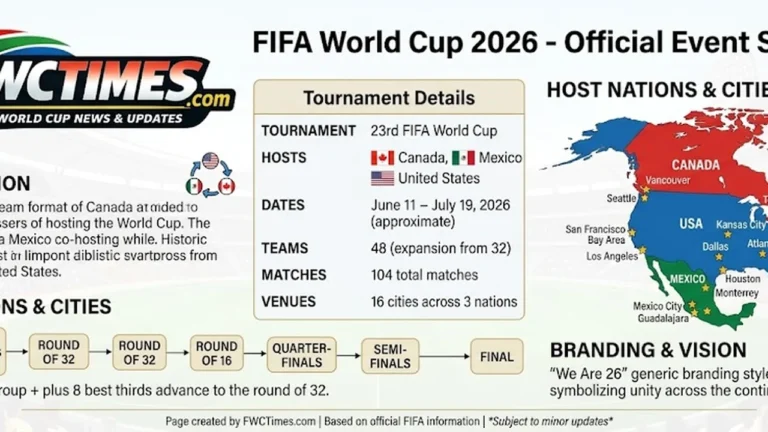
Many national teams will use the 4-3-3 formation football structure during the FIFA World Cup 2026 in North America. The expanded 48-team format will require tactical flexibility across a demanding group-stage schedule. Coaches will use this shape to control tempo in warm weather conditions across multiple venues. Squad depth will determine how effectively each nation can sustain the pressing system.
Elite teams will use wide forwards to break down the compact defensive blocks of smaller nations. Defensive midfielders will need to cover massive ground on counter-attacks throughout the tournament. The specific tactical plans for most competing nations are yet to be confirmed. Fans can expect to see highly refined and well-drilled versions of this shape.
Frequently Asked Questions
What is 4-3-3 formation football?
The 4-3-3 system uses four defenders, three midfielders, and three forwards on the pitch. It provides attacking width through the wingers and central midfield control through the triangle. Many possession-based teams prefer this shape to dominate games at both ends. The structure suits squads with technically gifted players who press high and move the ball quickly.
How does the midfield triangle function in this setup?
The triangle consists of one deep holding midfielder and two more advanced players. The deep player protects the defenders and starts attacking moves from the back line. The two advanced players link midfield passing with the forward line and make late runs. This rotation creates numerical advantages in central areas during both attacking and defensive phases.
What are the main risks of the 4-3-3 shape?
The system can leave space behind the full-backs when they push high to support attacks. If the wingers do not track back defensively, the opponent can exploit the wide channels freely. The single holding midfielder can also become isolated against fast counter-attacking opponents. Coaches must balance the attacking ambitions of the shape with clear defensive responsibilities for all players.
How does the front three press the opponent?
The striker shuts down central passes while the two wingers press the opponent’s full-backs simultaneously. This coordinated pressure forces the opponent to play risky long balls under high stress. The midfielders must shift quickly to win the resulting second balls in central zones. Effective pressing in this system requires synchronised movement and strong collective work rate from all three forwards.
Will teams use this shape at the 2026 World Cup?
Yes, many national teams will use this shape to control possession and press high in North America. The expanded tournament format will reward squads that can maintain this physical and technical system. Teams with wide forwards and a strong holding midfielder hold a clear structural advantage. The specific squad selections and starting lineups for most nations are yet to be confirmed.
Conclusion
The 4-3-3 shape remains a classic and trusted choice for attacking coaches across the world. It balances width, possession control, and pressing ability in a single coherent system. Every player must execute their role with high tactical discipline to make the structure work. The system remains highly effective at every level of elite football.
Teams must constantly adapt their tactical approach as opponent strategies become more refined. Small details in individual positioning can decide major tournament matches in the knockout rounds. A well-drilled squad that understands every phase of this system will compete at the highest level. Stay tuned to FWCTimes.com for the latest tactical analysis ahead of the 2026 World Cup.