Ball Playing Defender Football: The Modern Role

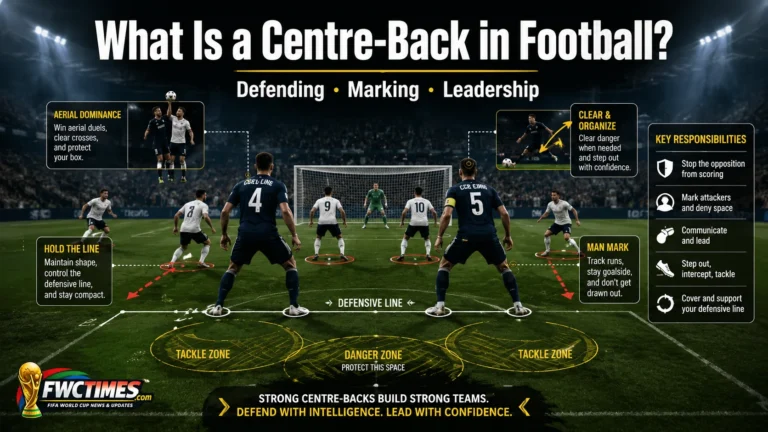
A ball playing defender football specialist combines elite defensive awareness with excellent passing skills from the back line. This modern centre-back does not simply clear the ball when facing pressure from opposing forwards. Instead, the player builds attacks by distributing short passes to nearby midfielders or switching play across the pitch. The role has become one of the most valued and demanded in the modern tactical game.
Coaches value these players because modern systems demand composure during every build-up phase. A defender who can break lines with a single pass helps the team escape aggressive pressing traps. This skill requires excellent vision, physical balance, and precise weight on every delivery. Defending remains the primary duty, yet these attacking expectations now form a core part of the position.
How the Ball Playing Defender Football Role Operates
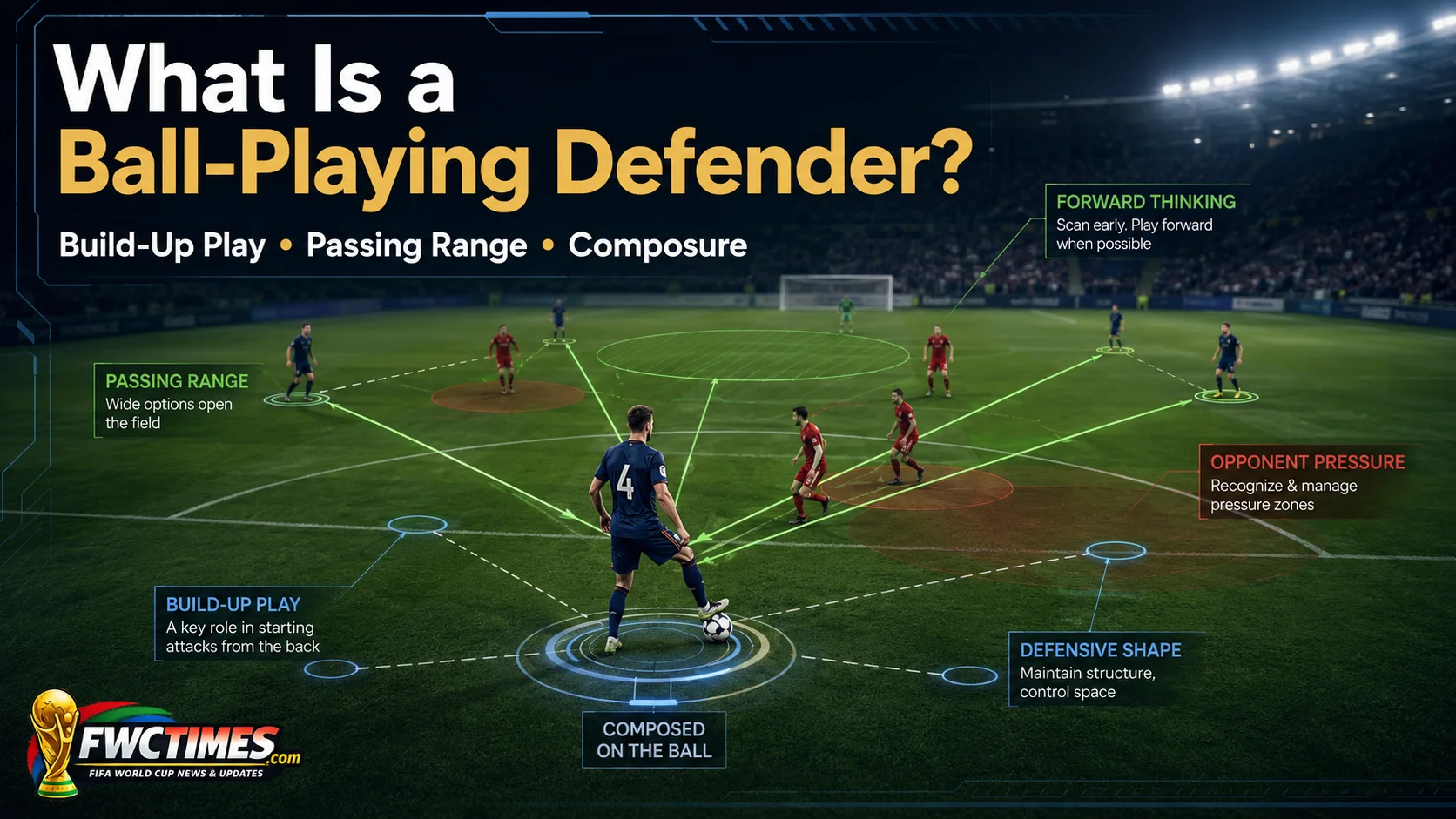
The role operates by transforming the defensive line into the starting point for attacks. The centre-back receives the ball from the goalkeeper and immediately scans for open teammates. If the opposition forwards drop back to press, the defender carries the ball forward into midfield. This forward movement forces an opponent to step out of their defensive structure to engage.
Once the opponent commits to pressing, a passing lane opens behind them for the centre-back. The player can then execute a crisp vertical pass to an advanced midfielder in open space. This combination breaks the first line of pressure and advances the entire attack quickly. The defender must quickly return to their defensive position after releasing the ball forward.
Essential Skills for Ball Playing Defender Football
Composure under pressure remains the most critical attribute for any player in this position. The player must keep their head up while opponents sprint aggressively to tackle them. A closed body shape makes it difficult for defenders to see the pitch and lose possession under pressure. Receiving the ball on the half-turn allows the player to observe the whole pitch instantly.
Passing accuracy across different distances and situations is also vital for success in this role. The defender must play soft passes to the defensive midfielder or switch play with sharp diagonal balls. Long diagonal passes must travel quickly to exploit space on the opposite wide flank. The player must avoid slow or telegraphed passes that opponents can read and easily intercept.
Tactical Comparison: Modern vs Traditional
| Defensive Profile | Primary Passing Style | Risk Level | Key Tactical Duty |
|---|---|---|---|
| Ball-Playing | Vertical, line-breaking passes | Higher risk of turnovers | Start attacks and step into midfield |
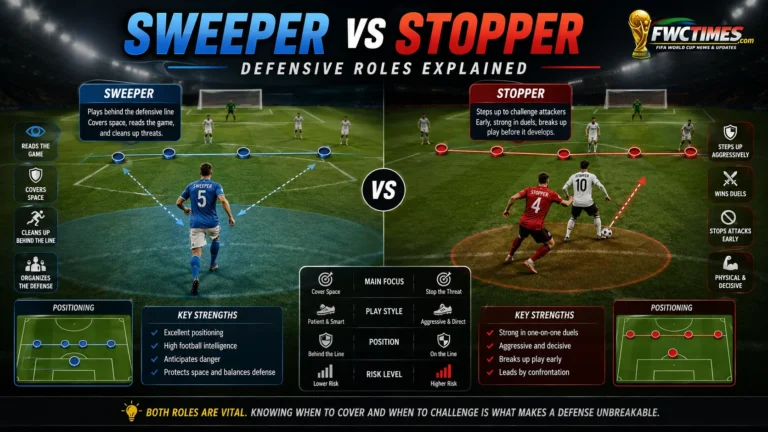
| Traditional | Safer, clearing kicks | Lower risk near goal | Protect the penalty box directly |
The table highlights how the two defensive profiles differ when the team has possession. Traditional defenders prioritise safety by clearing the ball away from dangerous areas near goal. The modern playmaking centre-back accepts a greater level of risk to keep possession under pressure. Coaches choose between these two styles based on their overall tactical philosophy and squad quality.
Common Mistakes and Spatial Risks
Forcing passes through congested central lanes is the most common error for this type of defender. The player must accept that a simple sideways pass is sometimes the correct and safest option. Forcing a difficult pass through traffic can lead to a dangerous turnover close to goal. These mistakes often give the opposition immediate and clear scoring opportunities in dangerous areas.
Poor positioning can also compromise the defensive structure of the entire team around the centre-back. If the player steps too far forward at the wrong moment, the back line becomes exposed. Opponents can exploit the vacant space left behind with quick and direct counter-attacks. The defender must coordinate every forward movement carefully with the holding midfielder ahead of the back line.
Defensive Trends at the FIFA World Cup 2026
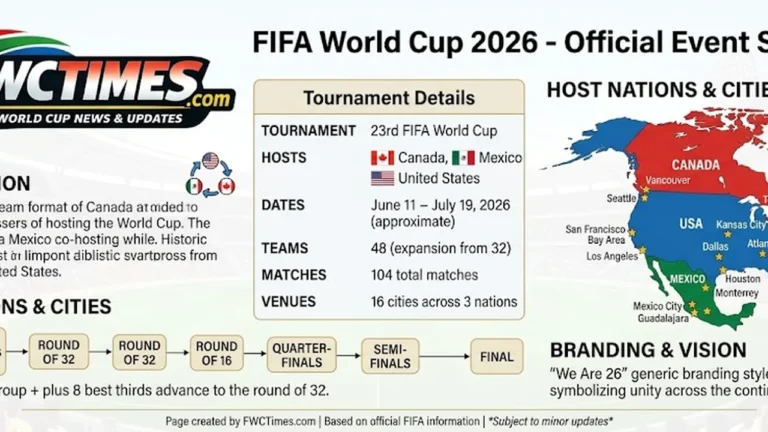
Build-up play from the defensive line will be a defining. Theme during the FIFA World Cup 2026 in North America. Teams will need composed and technically gifted defenders to handle high-pressing opponents across the tournament. A single defensive mistake in the defensive third can eliminate a nation from the competition entirely.
Many squads will use ball-playing defenders to control the tempo of matches across multiple games. Passing the ball patiently across the back line helps tire out aggressive pressing opponents in warm conditions. The specific tactical plans for most competing nations are yet to be confirmed by their coaching staff. Fans can expect to see world-class distribution from the back throughout the tournament.
Frequently Asked Questions
What is a ball-playing defender in football?
A ball-playing defender is a centre-back who prioritises defending first but also initiates attacks. The player uses passing and occasional dribbling to progress the ball from the back line into midfield. Technical ability, composure under pressure, and spatial awareness are all vital for success in this role. The position has become essential for teams that build attacks patiently from deep positions.
How does this role differ from a traditional centre-back?
Traditional defenders focus on clearing the ball and stopping direct physical threats near the penalty box. The modern ball-playing version looks to keep possession and make precise vertical passes to break pressure. Both styles remain useful depending on the coach’s tactical philosophy and the quality of the squad. Teams with strong pressing midfielders often rely more heavily on the ball-playing version at the back.
What are the main risks of building from the back?
The primary risk is losing possession dangerously close to your own goal under opposition pressure. A misplaced pass in the defensive third can give the opponent an immediate and clear scoring chance. Defenders must remain highly focused and calm during every build-up phase across the full ninety minutes. Teams must also have reliable passing options to ensure the defender always has a safe outlet nearby.
Can any defender learn to play this modern role?
No, the role requires technical skills and composure difficult to develop at senior level. A player must handle intense opposition pressing without panicking or rushing important passes under duress. Coaches typically develop these qualities in players from a young age in possession-based training systems. Experienced senior defenders can adapt, but the learning curve under tournament pressure is steep.
Will ball-playing defenders be important at the 2026 World Cup?
Yes, they will be crucial for escaping the high-pressing systems that top international teams will use. Composed defenders will help their teams keep possession in difficult group-stage and knockout matches. Teams with reliable ball-playing centre-backs can control the tempo and reduce the physical demands on their midfielders. The final squad selections for most competing nations at the 2026 tournament are yet to be confirmed.
Conclusion
The ball-playing centre-back has changed the way teams transition from defence into attack at every level. This role requires defenders to be both physically strong and technically gifted with the ball. The best players in this position know precisely when to play safe and when to take risks. The position will remain vital in modern football as pressing systems continue to intensify.
Coaches must build a supportive system around their playmaking defenders to make the role effective. Midfielders must drop back regularly to offer short and safe passing options during build-up play. A clear structure and shared understanding between the back line and midfield is non-negotiable. Stay tuned to FWCTimes.com for more tactical reviews ahead of the 2026 World Cup.