Attacking Midfielder Football: Full Role Guide

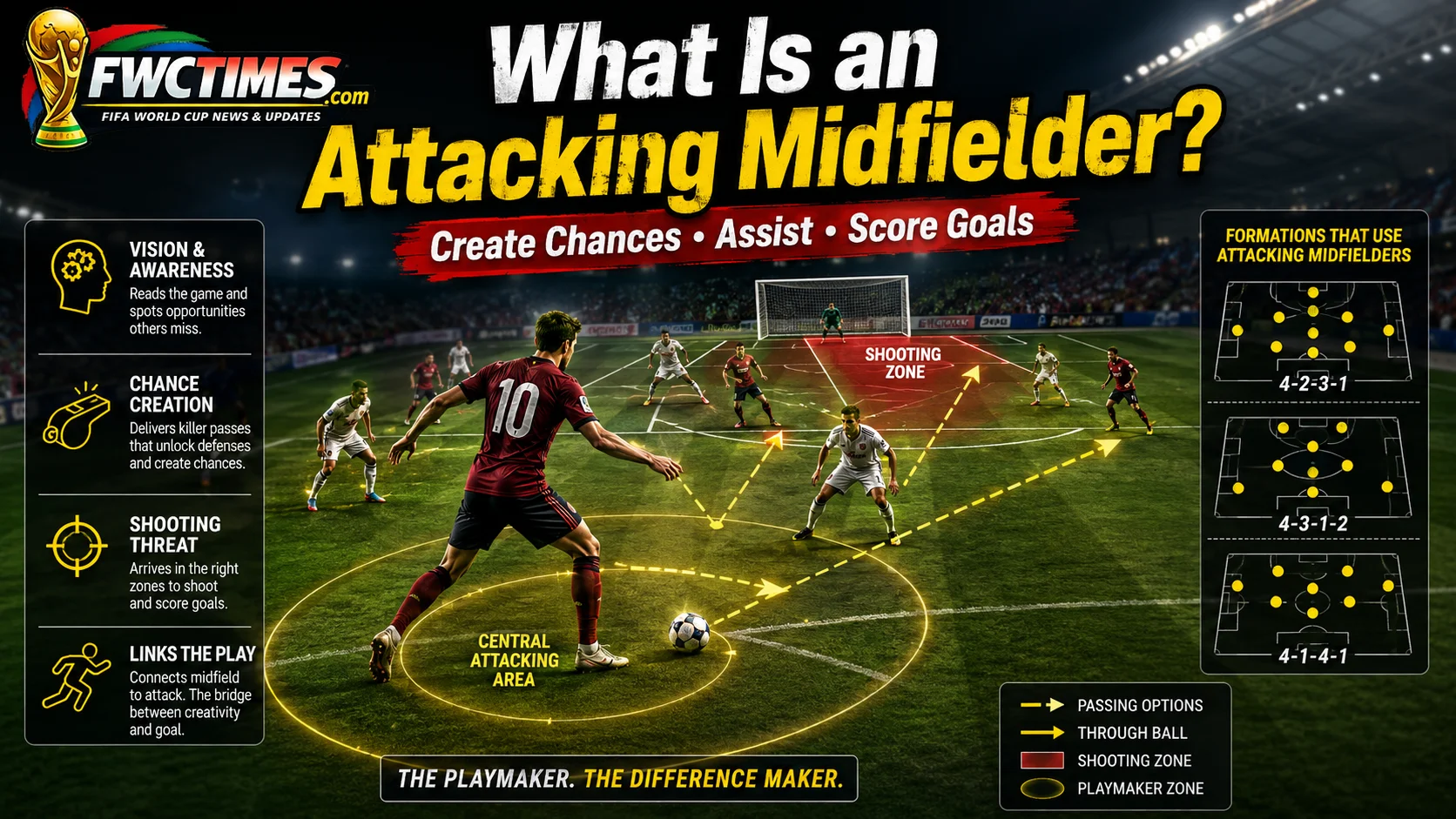
The attacking midfielder football role connects midfield build-up play with final-third scoring chances. This player operates in the space between the opponent’s defensive and midfield lines. Coaches value this position because a single precise vertical pass can dismantle a compact defense. The responsibilities and skills required for this creative role have grown significantly in the modern game.
The classic number 10 was once considered a luxury player with little defensive responsibility. In modern high-pressing and structured systems. The attacking midfielder must now function within a rigid tactical framework rather than enjoying a free creative role. They cover significant ground, press opposing midfielders, and track back to support their team’s defensive shape throughout 90 minutes.
Understanding the Attacking Midfielder Football Role
The main task of the advanced playmaker is to receive the ball in tight and congested spaces. The player scans the pitch before receiving a pass to identify open passing lanes. Turning quickly allows the midfielder to face the opposing defensive line directly. This movement helps the team transition from a possession phase into a direct attack.
The player must also coordinate intelligent runs in combination with the forward line. When a striker drops deep to receive, the midfielder must run into the vacant space ahead. This rotation disrupts the marking schemes of the opposing centre-backs effectively. The advanced creator must stay alert to exploit these defensive gaps at the right moment.
Core Duties in Attacking Midfielder Football
The creative player must deliver precise passes into the penalty area at key moments. These passes include through balls, chipped deliveries, and quick one-two combinations with teammates. The playmaker must also shoot from distance when defenders drop deep into their own box. These attacking threats force opponents to step out of their defensive block to engage.
Defensive work has become a critical and expected part of the modern attacking midfielder role. The player must lead the counter-press immediately after the team loses possession. Closing down the opponent’s deep playmaker prevents fast and dangerous counter-attacks from developing. The advanced midfielder must maintain high intensity and concentration throughout the entire match.
Positioning Between Midfield and Attack
The advanced creator operates in the zone often called the pocket between the lines. This space is highly congested because central defenders and midfielders both protect it tightly. The player must find small pockets of space to receive the ball safely without pressure. Good body positioning helps the midfielder shield the ball and protect it from incoming tackles.
The role changes based on the team’s tactical formation and match situation. Many classic number 10s now drift wider or drop deeper. Into central midfield to adapt to formations like the 4-3-3. In a 4-2-3-1 system, the playmaker retains the traditional spot directly behind the single striker.
Passing, Pressing, and Final Third Decisions
Decision-making in the final third separates elite playmakers from average midfielders at every level. The playmaker must know precisely when to release the ball and when to keep possession. Playing a simple pass is often the better choice over forcing a difficult through ball. The player must read the movements of both teammates and defenders simultaneously to decide correctly.
Pressing triggers help the team win the ball back in high areas of the pitch. The playmaker starts the press when the opponent plays a slow back pass under pressure. The midfielders behind must shift quickly to cover the central passing lanes. This coordinated pressure across the entire team requires excellent communication and tactical discipline from every player.
Tactical Comparisons by Midfield Role
| Midfielder Position | Primary Zone | Attacking Threat | Defensive Duty |
|---|---|---|---|
| Attacking Midfielder | Between the lines | Key assists and shots | Pressing deep playmakers |
| Central Midfielder | Middle third | Passing rhythm | Box-to-box coverage |
| Defensive Midfielder | In front of defense | Build-up passes | Tackles and interceptions |
The table shows how central midfield roles differ from each other in the modern game. Each player must balance attacking instincts with defensive responsibilities at the right moments. The advanced creator carries the most creative freedom but operates in the tightest spaces. Success in this role requires a strong and trusting partnership with the deeper midfield players behind.
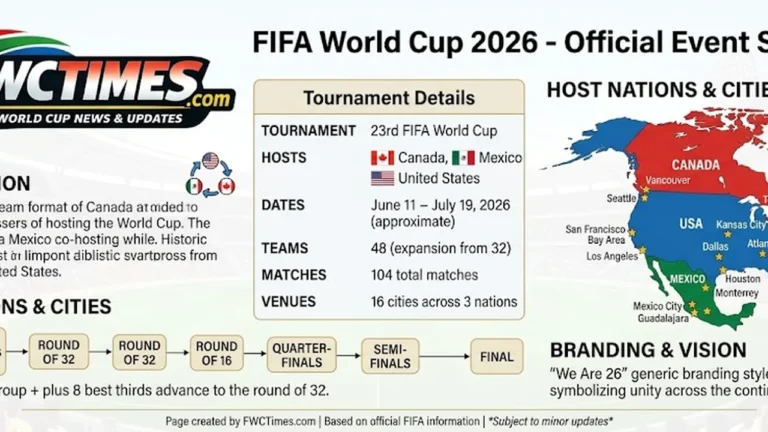
Impact at the FIFA World Cup 2026
Creative playmakers will play a vital role in deciding matches at the FIFA World Cup 2026 in North America. Teams will face compact and well-organised defensive structures throughout the group stages. The ability to pass through tight defensive lines will decide the outcome of closely contested games. Coaches will rely on their creative stars to unlock matches against disciplined opponents.
National teams must carefully manage the physical load placed on their key creators throughout the tournament. The expanded schedule across multiple host cities will test the depth of every squad. Teams that rotate their attacking midfielders wisely will sustain their performance in the knockout stages. The specific tactical plans for most participating nations are yet to be confirmed.
Frequently Asked Questions
What is an attacking midfielder in football?
An attacking midfielder operates in the space between the opponent’s defensive and midfield lines. The main job is to create scoring chances for the forward line and support central strikers. Technical skill, spatial awareness, and quick decision-making are all critical for this position. The role demands both creative vision and a strong defensive work rate in the modern game.
How does the modern number 10 differ from past players?
Modern playmakers must defend and press at a much higher intensity than players from previous generations. They cover massive ground, lead the counter-press, and help win the ball back high up the pitch. Physical fitness is now just as important as technical creativity for any player in this position. Past number 10s carried fewer defensive responsibilities but had more freedom in possession.
What is the pocket in tactical terms?
The pocket is the small space between the opponent’s defensive line and midfield block. Attackers and playmakers use this zone to receive passes without getting marked immediately by defenders. Finding and occupying this space requires excellent off-the-ball movement and precise timing. Playmakers who can consistently find the pocket put enormous pressure on even the best defensive structures.
Can a team play without a traditional attacking midfielder?
Yes, many teams choose a flat midfield shape and rotate wide players inside to create. Creative duties are then shared across the entire midfield unit rather than assigned to one player. This approach makes the team less dependent on the form of a single individual. Some coaches prefer this system because it creates defensive balance alongside collective attacking threat.
Which playmakers will stand out at the 2026 World Cup?
Top international teams will bring their most creative midfield players to the tournament in North America. Players who can create chances under intense pressure from tight defensive blocks will be the most valuable. The expanded tournament format means playmakers will face new and demanding tactical challenges in every round. The confirmed squad listings for most nations at the 2026 World Cup are yet to be finalised.
Conclusion
The attacking midfielder remains one of the most sought-after and difficult roles to fill in modern football. The position demands a rare combination of creative vision and significant physical work rate. Teams that use these players effectively can break down any organised defensive structure. The role will continue to evolve as tactical systems become more demanding and refined.
Coaches must design their systems to protect and support their key creative players properly. A balanced midfield behind the playmaker allows the attacker to focus on the final third. Teams that get this balance right will create more chances and score more important goals. Stay tuned to FWCTimes.com for more tactical insights ahead of the 2026 World Cup.