3-5-2 vs 4-3-3 Football Shapes Explained

Comparing 3-5-2 vs 4-3-3 football shapes reveals how coaches control space on the pitch. The three-back system uses wing-backs to cover the flanks independently. The four-back system creates natural width by pairing full-backs with attacking wingers. Each setup reflects a different tactical philosophy for managing space and personnel.
Coaches select their formations based on the players available in their squad. A team with elite wing-backs will thrive inside a back-three structure. Strong teams like Argentina often adapt their shape to control the midfield zone. This single decision can determine match outcomes at major tournaments like the FIFA World Cup 2026.
Understanding 3-5-2 vs 4-3-3 Football Shapes
The central midfield zones differ greatly between these two setups. The three-back option places five players across the midfield line when defending. The four-back system relies on a midfield triangle to circulate the ball effectively. These distinct approaches create unique passing patterns during the build-up phase.
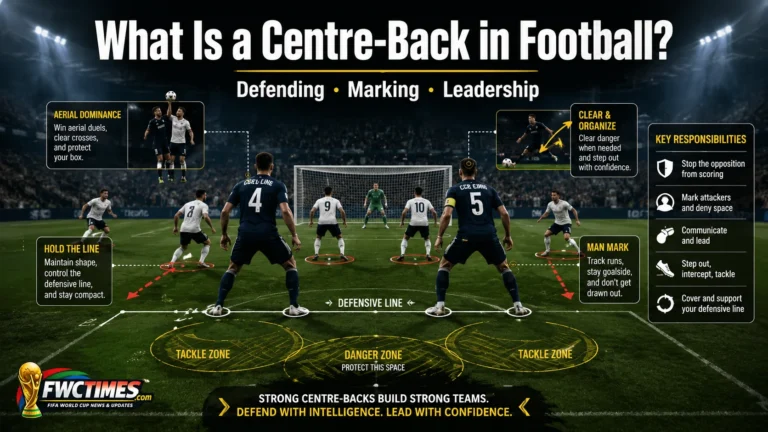
Defensive transition speed also depends heavily on the shape a team uses. A squad using three centre-backs can protect the penalty box against direct counter-attacks. The four-back alternative can squeeze the pitch to force turnovers higher up the field. Both formations require excellent communication and leadership from a modern ball-playing defender.
Tactical Roles in 3-5-2 vs 4-3-3 Football
The wing-back role demands extreme physical fitness and tactical discipline. These players must support the attack and track back to cover wide zones. If they fail to recover, opponents will exploit the channels beside the outer centre-backs. This role defines the entire success of the three-back system.
In the four-back system, wide duties split between full-backs and wingers. The winger stretches the defensive line to create space in the half-spaces. The full-back supports from deep or makes overlapping runs into the box. This division of labor reduces the physical load placed on individual players.
How the 3-5-2 Formation Works
The three-back shape provides massive security across the central defensive zone. The three centre-backs handle direct strikers and clear crosses with confidence. This setup allows wing-backs to push high up the pitch to support attacks. The midfield three can then focus on winning second balls in transition.
The attacking power comes from two central strikers pressing the opponent together. They can combine to overload the opposing centre-backs in dangerous areas. Still, the team can struggle if the wing-backs get pinned deep by pressure. When that happens, the system converts into a five-man defensive back line.
How the 4-3-3 Formation Works
The 4-3-3 formation in football relies on a front three to press the opposition high up the pitch. The centre forward blocks central passing lanes to limit the opponent’s build-up. The wide forwards close down the opponent’s full-backs simultaneously. This coordinated pressure helps the team win the ball in dangerous attacking areas.
A single holding midfielder plays a defining role in this structure. This player protects the back four and starts passing moves from deep. The two advanced midfielders make late runs into the box to support attacks. The team must avoid leaving the holding player isolated against fast opponents.
Strategic Comparison
| Tactical Element | 3-5-2 System | 4-3-3 System |
|---|---|---|
| Defensive Line | Three centre-backs protect the central box | Four defenders cover the pitch width |
| Flank Width | Wing-backs cover the entire flank | Wingers and full-backs share the flank |
| Central Attack | Two strikers partner to pressure defenders | One striker links with two wide forwards |
| Midfield Structure | Three central midfielders control the centre | Midfield triangle rotates to pass |
| Pressing Style | Selective press with deep recovery | Aggressive press in the final third |
The comparison shows how each shape exploits different zones on the pitch. The three-back option dominates the central corridor with superior numbers. The four-back shape controls the wide channels and creates passing triangles. The correct choice depends on the weaknesses in the opponent’s structure.
Which Shape Dominates the Press?
The four-back system offers a cleaner high press against most opponents. The three forwards match up against a standard back four in most scenarios. This alignment makes it easier to lock the opponent on one side of the pitch. The midfield trio in a 4-3-3 can also be configured as a single pivot or flat three.
A three-back shape can also execute a high press with the right personnel. The wing-backs must push high to close down opposing full-backs and when a 4-3-3 faces a 3-5-2. The wingers often target the opposing wing-backs directly, aiming to pin them deep and neutralise their attacking threat. This movement requires the midfielders to cover massive ground during.
Tactics at the FIFA World Cup 2026
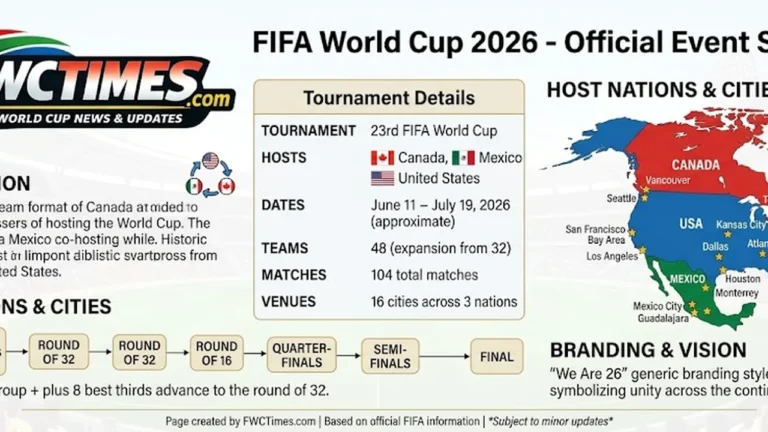
Coaches will adjust their shapes throughout the FIFA World Cup 2026 matches in North America. The expanded tournament will feature diverse tactical styles from 48 competing nations. Teams must prepare to face both three-back and four-back systems in every group. Flexible squads with multi-positional players will hold a significant competitive advantage.
Some national teams will rely on wing-back systems to protect narrow defensive zones. Other sides will use wide forwards to stretch deep defensive blocks across the pitch. Small tactical adjustments between matches can completely change a team’s group-stage fate. Fans can expect intense and varied tactical battles in every group.
Frequently Asked Questions
What does 3-5-2 vs 4-3-3 football mean?
These two labels describe the defensive shape a team uses on the pitch. The 3-5-2 uses three centre-backs and two forwards, with wing-backs covering the flanks. The 4-3-3 uses four defenders, three midfielders, and a front three of one striker and two wide forwards. Coaches choose between them based on their squad’s strengths and the opponent’s weaknesses.
Which system is better for defensive security?
The three-back shape provides stronger cover inside the central penalty box area. Three centre-backs can handle crosses and direct physical attacks more effectively. The four-back system offers better coverage across the full width of the pitch. Both systems can defend well when players execute their roles with discipline and communication.
How does the wing-back role function in a 3-5-2 system?
The wing-back must cover the entire flank alone without support from a dedicated full-back. This player attacks into the final third and then recovers to defend wide zones. The role demands exceptional stamina, speed, and tactical awareness throughout the match. Without reliable wing-backs, the three-back system becomes dangerously exposed on both flanks.
Can a team press high in a back-three shape?
Yes, a team can press high by pushing the wing-backs aggressively forward into the opponent’s half. This tactic requires the central midfielders to shift quickly and cover the spaces left behind. Pressing from a back three demands exceptional fitness and clear communication between all five midfielders. The setup carries significant risk if the opponent switches play quickly to the opposite flank.
Which formation will dominate the World Cup in 2026?
Coaches will select formations based on their squad’s fitness levels and the specific opponent they face. Many top teams will use the four-back system for possession control in the group stage. Teams with elite wing-backs may turn to a back three during knockout-round pressure. The final tactical choices for most nations at the 2026 tournament are yet to be confirmed.
Conclusion
Both shapes offer unique solutions for controlling different areas of the pitch. The three-back system secures the central corridor and uses two strikers to press defenders. The four-back shape provides attacking width and supports a more aggressive press. The best choice always depends on the squad’s specific strengths and the opponent’s structure.
Coaches who can switch between both systems during a tournament will gain a real edge. Small mid-game adjustments can completely change the momentum of a tightly contested match. Players who understand both shapes give their manager maximum tactical flexibility. Stay tuned to FWCTimes.com for more tactical analysis ahead of the 2026 World Cup.