How the Netherlands Play at the 2026 World Cup

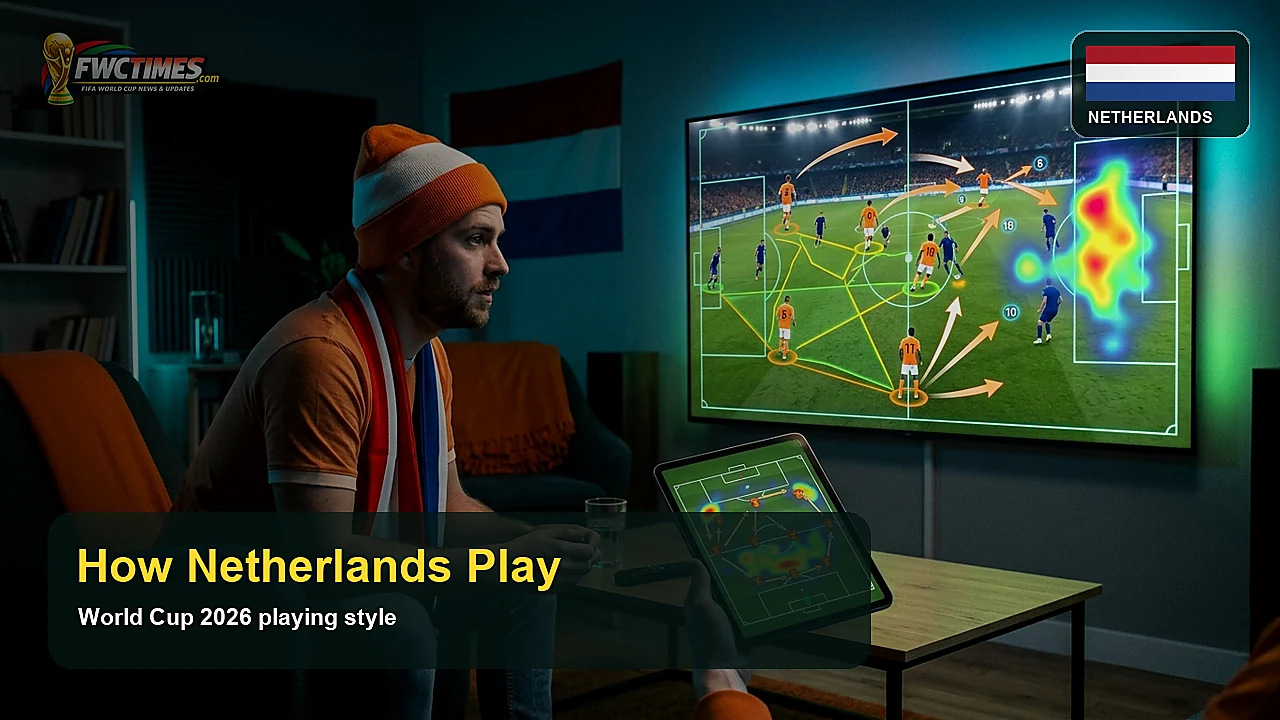
The Netherlands playing style World Cup 2026 approach runs on a pragmatic system installed by head coach Ronald Koeman. Koeman has prioritized a sturdy defensive foundation and disciplined game management over the fluid style of the past. In fact, the Dutch squad averaged 65% possession during their qualifying campaign to secure their place. This tactical setup focuses on positional structure to survive the demanding tournament conditions.
This campaign represents a shift toward pragmatism under Koeman’s staff. The coaching staff has brought in legendary striker Ruud van Nistelrooy to sharpen the team’s clinical finishing. This addition aims to improve attacking output against disciplined low-block opponents. As a result, the Netherlands combines defensive stability with a more direct threat inside the box.
The physical load of the 104-match schedule dictates the team’s slower tempo. Playing in the summer heat across North America requires players to conserve their energy. Koeman instructs his squad to control possession patiently, avoiding risky transition situations. This physical preservation is what keeps the Dutch competitive across the matches.
Koeman’s Pragmatic Defensive Foundation
Ronald Koeman has built the Dutch system around a sturdy back line that prioritizes stability. The team can sit in a compact back-four or shift to a back-five shape depending on the opponent. This defensive organization focus is designed to deny space in the central areas. As a result, the Netherlands is highly resistant to opponent transition play.
The squad features an elite rotation of central defenders, including Virgil van Dijk, Nathan Ake, and Micky van de Ven. This depth allows Koeman to rotate his defenders without dropping quality. The defenders focus on positioning and physical dominance, shielding the goalkeeper. The 3-5-2 formation World Cup guide shows how back-three systems protect the box.
Virgil van Dijk as the Defensive Leader
Virgil van Dijk leads the Dutch squad as both the primary centre-back and the team captain. Van Dijk organizes the defensive line, reading passing lanes and directing his teammates. His aerial dominance and strength in individual duels are central to the team’s low-block stability. He decides when the defense should step up and when to drop deep.
Van Dijk’s leadership allows the fullbacks to push forward during possession phases. The wide defenders can support the midfield, knowing the central pairing is secure behind them. This positioning minimizes the risk of 1v1 overloads on the flanks. In fact, van Dijk’s presence is the anchor of the entire Dutch tactical plan.
Possession Control and the Low-Block Challenge
The Netherlands focuses on keeping possession to control the tempo of matches. The midfielders recycle the ball patiently, shifting the opponent’s block from side to side. This possession-heavy approach, which reached 65% in qualifying, keeps the opponent from launching attacks. The possession football World Cup guide explains how ball control serves as a defensive shield.
Despite this dominance, the team has struggled to break down disciplined low blocks. The patient passing can become slow and predictable when opponents sit deep. To fix this, van Nistelrooy has drilled the forwards on quick combinations in the box. This clinical focus aims to convert high possession numbers into real scoring opportunities.
The Attacking Role of Van Nistelrooy’s Drill
Ruud van Nistelrooy’s addition to the coaching staff focuses on improving final-third efficiency. Van Nistelrooy drills the strikers, including Cody Gakpo, on positional movement inside the penalty area. The goal is to create space through quick runs and clinical first-touch finishing. This training helps the team unlock deep defenses that refuse to press.
The forwards must combine vertical speed with physical presence to challenge centre-backs. When the wingers stretch the play, the central striker runs onto crosses. This direct attacking threat balances the patient possession style of the midfield. The high press World Cup guide explores how pressing systems defend against these box runs.
Key Vulnerabilities of the Dutch System
The biggest tactical risk is the slow transition speed when possession is lost. If the opponent wins the ball and counters quickly, the Dutch midfield can be bypassed. Micky van de Ven’s recovery pace is critical for covering the space behind the defense. This vulnerability requires perfect coordination between the defensive lines.
The team’s difficulty in breaking down low blocks remains a concern for Koeman. If the strikers fail to convert their limited chances, patient possession can lead to frustrating draws. The Netherlands must keep their play vertical, using central runs to stretch the block. This tactical variety is essential for winning knockout matches.
Expert Verdict
The Netherlands enters the 2026 World Cup as a highly stable block that is difficult to beat. Koeman has built a pragmatic system that matches the physical demands of the long schedule. The elite defensive rotation and van Dijk’s leadership give the Dutch a secure foundation. The key to their campaign will be finding clinical finishing in the final third.
If they can convert high possession into goals, the Netherlands will challenge for the trophy. Their defensive strength should carry them through the early rounds. Koeman’s structured approach should keep the squad fresh for the quarterfinals. The Netherlands is built to survive, and they have the tools to progress.