How the USA Play at the 2026 World Cup

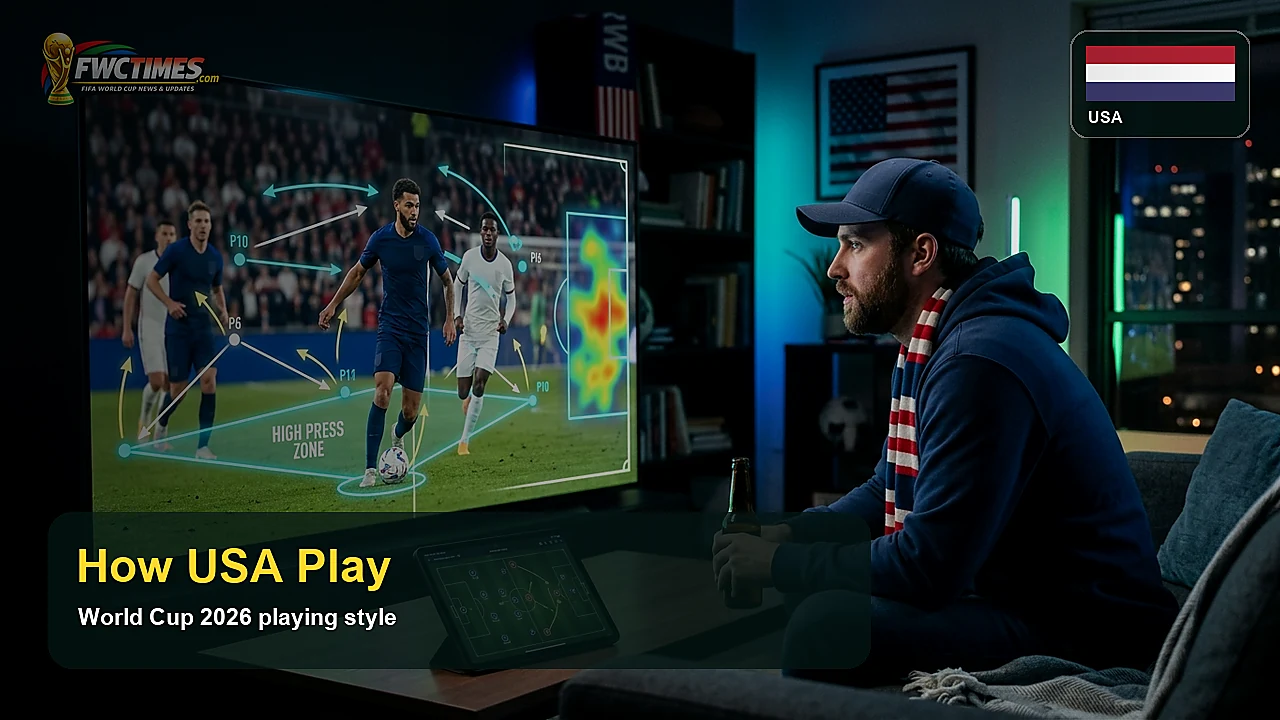
The USA playing style World Cup 2026 approach runs on an intense pressing system installed by head coach Mauricio Pochettino. Pochettino has brought a high-energy, aggressive style influenced by his Argentine training background. In fact, this system emphasizes collective responsibility, physical power, and rapid vertical transition play. This tactical setup aims to disrupt the opponent’s build-up and launch counterattacks near the box.
This campaign is Pochettino’s first major tournament with the United States national team. The coaching staff has focused on building a pressing identity that matches the squad’s athletic profile. Players must apply immediate pressure upon losing the ball to force turnovers. As a result, the USA plays with an aggressive, proactive approach that engages fans at home.
The physical demands of this style are a significant challenge across the long schedule. Pochettino has introduced real-time video analysis during hydration breaks to manage tactical adjustments. The coaches show players clips of specific actions on laptops to correct positioning mid-half. This real-time feedback helps the squad sustain their intensity without suffering physical decline.
Pochettino’s Aggressive Pressing System
Mauricio Pochettino has installed a high-intensity pressing system that mirrors the Bielsa school of thought. The team coordinates pressure high up the pitch, forcing the opponent’s defenders into errors. This press requires all ten outfield players to move in sync, closing down wide and central channels. The goal is to win the ball back quickly in the opponent’s defensive third.
This high press places a massive physical demand on the midfielders and wingers. Players like Christian Pulisic and Weston McKennie must sprint constantly to close down the ball-carrier. This pressure prevents the opponent from building possession and playmaking comfortably. The high press World Cup guide breaks down the mechanics of this coordinated defensive pressure.
Real-Time Video Analysis on Hydration Breaks
A key tactical innovation is Pochettino’s use of real-time video analysis during hydration breaks. When play stops at the 22nd minute of each half, the coaches gather the players around laptops. They show short clips of game actions, illustrating where defensive gaps are opening. This instant feedback allows the squad to make immediate adjustments.
This quarter-style management helps the team adapt to the opponent’s tactical changes quickly. If an opponent is exploiting wide space, the coaches correct the fullback’s positioning on the spot. This adaptation reduces the risk of conceding goals to early tactical surprises. The 4-2-3-1 formation World Cup guide shows how coaches use these windows to adjust shapes.
Explosive Attacks and Transition Play
USA’s attacking phase focuses on vertical speed and rapid transition play. The moment possession is won, the midfielders play direct passes to release Pulisic and Timothy Weah. Pulisic cuts inside from the left wing, while Weah stretches the play on the right. This directness bypasses the opponent’s midfield block, creating immediate scoring chances.
Weston McKennie supports the attack with late runs into the penalty box from midfield. His physical presence makes him a target for crosses and set-piece deliveries. This combination of wide speed and central power is the team’s primary offensive weapon. The possession football World Cup guide explains how midfield runs support transition systems.
Key Vulnerabilities of the US System
The biggest tactical risk is the team’s vulnerability during defensive transitions. If the high press is bypassed, the back four is left exposed to quick counterattacks. Pochettino has publicly acknowledged the need to improve defensive cover behind the press. This vulnerability requires the centre-backs to read the play perfectly and delay attackers.
The physical toll of the intense pressing style is another major concern. The summer heat in host cities makes sustaining this intensity for 90 minutes physically punishing. If the press drops late in matches, opponents can find space between the lines. USA must use their bench depth to rotate players and keep energy levels high.
Expert Verdict
USA enters the 2026 World Cup with a highly aggressive system that can upset any opponent. Pochettino has installed a clear pressing identity that matches the squad’s athletic strengths. The real-time video timeout adjustments give the coaching staff a significant tactical advantage. The key to their campaign will be tightening their transition defense.
If they can prevent easy goals on the counterattack, the USA will advance to the knockout rounds. The support of the home crowd should boost their physical output during intense matches. Pochettino’s experience in high-stakes games will be critical for the team’s tournament run. USA is built to press, and they have the tools to compete.