What is Parking the Bus Football?

Parking the bus football means defending very deep with many players behind the ball. This article explains how teams organize their low defensive block to stop opponents. Coaches use this specific tactic to protect their goal and limit space near the box. We will analyze the strengths, risks, and variations of this defensive approach.
A team using this plan will often accept having very little possession. The players must stay disciplined, maintain their structure, and wait for counter-attacking moments. This defensive organization requires incredible concentration and teamwork for the entire ninety minutes. Even small mistakes can allow the opponent to break through and score.
Parking the Bus Football Meaning
This defensive system asks players to stay close to their own penalty area. The defenders form a compact line while the midfielders screen the central spaces. Even the forwards must track back to help block the opponent’s passing lanes. This arrangement makes it very difficult for the attacking team to find gaps.
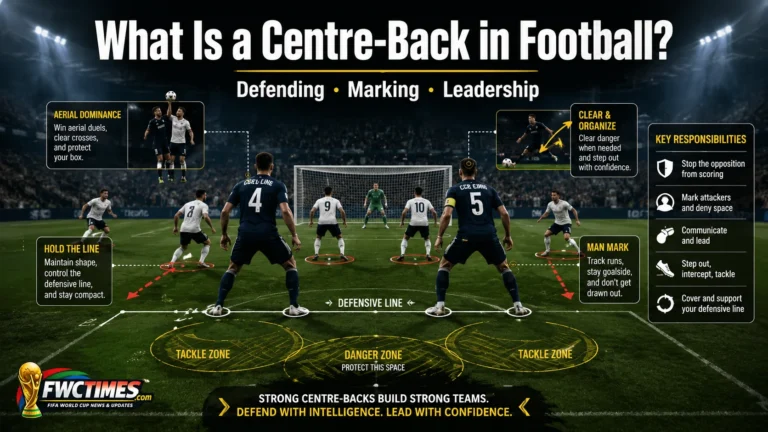
A successful deep defense relies on a strong leader in the centre-back role to direct the lines. Defenders must clear crosses and block shots with high efficiency. The team invites the opponent to attack while protecting the most dangerous zones. This approach can frustrate even the most creative players in the world.
Parking the Bus Football Shape
The team usually adopts a back five or a narrow back four structure. They position their midfielders close to the defenders to eliminate space between the lines. Wide players must track opposing full-backs deep into their own defensive territory. This compact shape prevents the attacking team from making runs behind.
The goalkeeper plays a crucial role by staying alert during long quiet periods. A good keeper must communicate constantly with the defenders to maintain structure. They must claim crosses and make critical saves when the defense is breached. Their leadership helps the entire team remain calm under constant pressure.
Tactical Application of the System
The defending team voluntarily gives up space far from their goal. They focus their energy on protecting the central area of the penalty box. Defenders will only press when the ball enters their immediate zone. This restraint ensures they do not pull their teammates out of position.
A disciplined defensive midfielder acts as the first shield for the defense. This player collects second balls and blocks long-range shots from the opposition. They also look to launch quick passes forward when the team wins the ball. Their work helps transition the team from defense to attack instantly.
Parking the Bus Strengths and Risks
This defensive system provides excellent protection but also carries significant risks. A compact setup forces the opposing team to settle for low-quality shots. We analyze the primary advantages and risks of this tactic below. This breakdown helps clarify how coaches evaluate the defensive strategy.
| Area | Benefit | Risk |
|---|---|---|
| Defence | Protects the box with many players | Invites repeated pressure and crosses |
| Space | Reduces gaps between lines | Leaves little outlet after clearances |
| Counterattack | Can exploit space behind attacking full-backs | Needs fast runners and accurate first passes |
| Game State | Useful when protecting a lead | Hard to escape if the opponent scores first |
| Best Fit | Suits disciplined, compact teams | Requires concentration for long periods |
The biggest risk is the constant pressure on the defenders. If the team cannot keep the ball, the opponent will attack again immediately. Physical and mental fatigue can lead to costly mistakes late in the game. Coaches must prepare their players for these intense defensive challenges.
Parking the Bus vs Low Block
A low block refers to the tactical structure used by teams. Parking the bus describes an extreme version of this deep defensive setup. A standard low block might still press and attempt to control midfield. In contrast, this strategy commits almost all players to defensive work.
Coaches who use a 3-5-2 formation can transition into this deep shape easily. The wing-backs drop deep to form a back five in defense. This flexibility allows teams to defend leads during the final minutes. The strategy relies heavily on the tactical discipline of the players.
How Teams Break the Defense
Attacking teams must play with patience and speed to penetrate the block. Slow passing allows the defensive lines to shift and cover gaps easily. The attacking side must move the ball quickly across the pitch. They must switch the play to create spaces in the defense.
Creating wide overloads can pull defenders out of their central positions. Patient build-up play can eventually open up lanes for shots or passes. Some teams use tiki taka football to wear down deep defenses over time. This passing style requires high technical quality from the attacking players.
Relevance to the FIFA World Cup 2026
We expect to see this defensive approach at the FIFA World Cup 2026. Underdog teams will use deep blocks to survive against stronger football nations. The knockout stages may also encourage teams to protect narrow leads late. Coaches will prepare detailed defensive plans for these critical games.
The tournament will test the tactical limits of deep defensive setups. Fast attackers will try to break down these compact units in North America. The exact team strategies for the tournament are yet to be confirmed. Fans can look forward to fascinating tactical battles during the matches.
Frequently Asked Questions
What does parking the bus football mean?
This term describes a team defending very deep near their own goal. They place almost all their players behind the ball to protect the box. The strategy focuses on blocking shots and denying space to the opponent.
Who made the phrase parking the bus famous?
Manager Jose Mourinho made the phrase famous during his time in England. He used it to describe a defensive opponent in a league match. The tactic itself has existed in football for many decades.
What is the difference between a low block and parking the bus?
A low block is the general tactical term for defending deep. Parking the bus represents an extreme version of this defensive style. It commits almost the entire team to protecting the penalty area.
How do teams break down this defensive tactic?
Attackers must pass the ball quickly to shift the defensive lines. They can create wide overloads to pull defenders out of position. Patient play and accurate set pieces are also vital to score.
Will teams use this tactic at the World Cup 2026?
Yes, underdog nations will likely use this strategy against stronger opponents. It helps them stay competitive and seek results on the counter-attack. The matches will show if this defensive plan succeeds.
Conclusion
Parking the bus remains a viable tactic for teams seeking specific results. It requires high discipline, physical fitness, and constant communication among players. When executed well, it can frustrate the most talented attacking teams. One defensive lapse can quickly ruin the entire defensive plan.
Fans will see how teams balance attack and defense in the upcoming matches. To understand more defensive setups, check our tactical guides on our website. Read Also: What Is Gegenpressing in Football? Our team covers the latest football developments and tournament tactics.