What Is the Winger in Football Role?

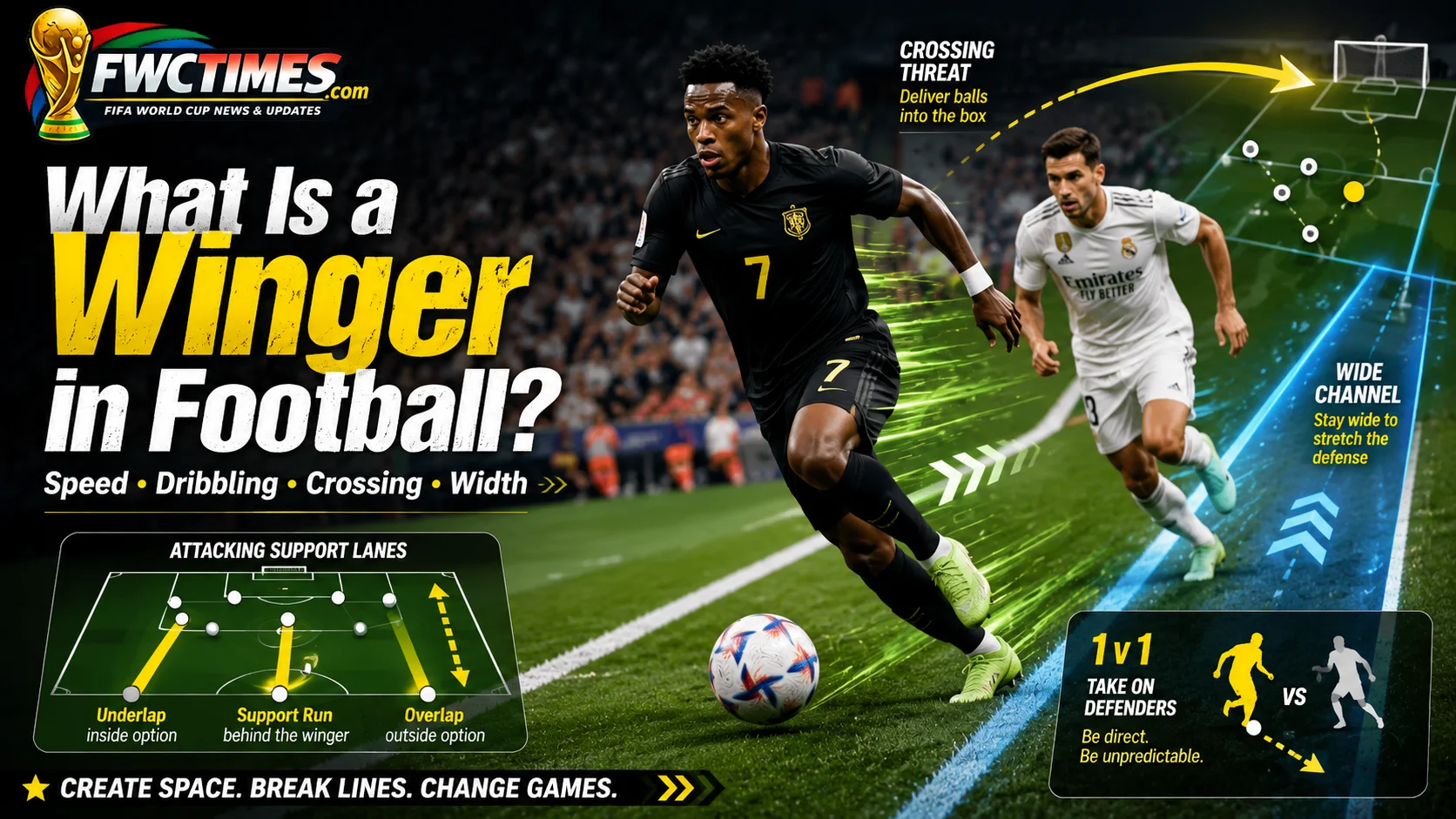
The modern winger in football position is a vital element of attacking systems worldwide. Wide attackers operate near the touchline during build-up phases to stretch the opposing defense. This positioning forces defenders to cover the full width of the pitch. That said, the role has evolved significantly in recent years.
Coaches expect these players to perform both offensive and defensive duties during a match. They must press opponents high up the pitch to win back possession. On top of that, they run forward to create scoring chances for central strikers. This high workload demands elite stamina and tactical discipline from players.
Key Tactical Roles of the Winger in Football
Managers utilize wide attackers in different ways depending on their specific playing styles. A traditional wide player stays close to the touchline and crosses with his dominant foot. In fact, this approach suits teams that use tall target strikers in the penalty area. The style provides classic width and stretches narrow defensive lines.
An inverted attacker cuts inside toward the center to shoot or combine with midfielders. This movement creates immediate space for overlapping full-backs to push forward. As a result, the team can overload defensive zones and create multiple scoring options. Coaches often rotate these systems during a game to disrupt opponent marking.
| Player Position | Primary Focus | Best Attacking Move | Best Support |
|---|---|---|---|
| Traditional Winger | Stretch the flank | Cross from the byline | Tall box striker |
| Inverted Winger | Cut inside to shoot | Shoot on far corner | Overlapping full-back |
| Wide Midfielder | Midfield possession | Early diagonal crosses | Attacking defender |
| Defensive Winger | Flank protection | Pressures passing lanes | Compact central block |
Creation of Opportunities and Dribbling
Dribbling represents the most recognizable skill for any wide attacking player. A player must isolate the defender in one-on-one situations. By beating their marker, they force central defenders to shift wide. So this movement creates open passing lanes for the rest of the attacking unit.
Accurate crossing also helps teams generate dangerous opportunities in the penalty area. Wingers can deliver low crosses or clever cutbacks from the byline. Since midfielders arrive late in the box, cutbacks often catch defenders off guard. The attacking unit must practice these delivery methods to remain competitive.
How a Winger in Football Creates Goal Openings
Cooperative play with full-backs elevates the attacking threat on the flank. Overlapping runs and underlapping runs confuse opposing defenders. Yet the players must coordinate these movements through intense training ground practice. This chemistry allows teams to dominate the wide channels during transition play.
World Cup Significance and Examples
The next international tournament will showcase the value of elite wide attackers. Compact defensive systems are difficult to unlock through central areas alone. So managers will rely on wide speed to break down stubborn opponents. Fans can study our guide on tactical formation options to understand team systems.
The Egypt national team will rely on Mohamed Salah for wide attacking spark. He serves as a premier example of an inverted winger who cuts inside onto his left foot. Even so, other nations will bring top-class talent to compete on the flanks. The tournament will feature intense battles between wingers and full-backs.
Frequently Asked Questions
What is a winger in football?
It refers to an attacking player who operates primarily in wide areas near the touchline. Their main duty is to stretch the opposing defense and create scoring opportunities. They use speed, dribbling, and crossing to influence match outcomes. In fact, modern tactics rely heavily on these wide forwards.
What is the difference between a traditional and an inverted winger?
A traditional player stays wide on the side of his dominant foot to deliver crosses. An inverted player operates on the opposite side to cut inside and shoot. This choice depends on the tactical plan of the manager. So each style offers unique attacking options.
How do wide attackers support the defense?
Modern wide attackers must track opposing full-backs when their team loses possession. They also press opponent defenders to force turnovers high up the pitch. As a result, this defensive work rate helps maintain team balance. Coaches prioritize players who work hard off the ball.
Which formations use these wide players?
The most common setups that feature these players are the 4-3-3 and 4-2-3-1 formations. These shapes provide designated wide positions in the attacking line. They allow players to isolate defenders in one-on-one situations. After all, space in central areas is often limited.
Who is a famous example of an inverted winger?
Mohamed Salah represents a premier example of an inverted wide forward. He plays on the right flank and cuts inside onto his left foot to score. This movement allows him to create goals and assists regularly. Yet defenders still struggle to stop his signature runs.
Conclusion
Modern wide play continues to evolve as managers search for tactical advantages. The hybrid demands of the role require a high level of physical fitness. So players who combine defensive discipline with attacking creativity will remain highly valued. Fans can read our tactical guide on the false 9 in football to learn about central roles.
The role will remain a primary focus for teams aiming to win trophies. Success requires a combination of speed, technical skill, and tactical awareness. In fact, these qualities separate elite wingers from average wide players. We can expect to see brilliant performances from these athletes at the FIFA World Cup 2026.