What Is a Through Ball in Football? Rules and Tactics

Through ball football describes a pass played into space behind or between defenders for a teammate to run onto. It is a technical action, but match awareness decides whether it helps the team.
one accurate line-breaking pass can bypass several defenders and create a direct chance toward goal. Simple explanations stop at the definition. The deeper value comes from timing, execution, risks, and the next action.
What Is a Through Ball in Football?
A through ball is a pass into space beyond or between defenders. The player uses the move to create an immediate technical or tactical advantage.
The receiver runs onto it while trying to remain onside. Success requires control, timing, and a useful follow-up action.
Through Ball Meaning and Purpose
a line-breaking pass targets open space rather than a teammate’s current feet. The action gives a player a specific way to solve pressure or create a chance. Its value depends on the next touch, not the visual effect alone.
The passer anticipates a runner’s movement and sends the ball beyond the defensive line. Players must read the opponent before committing because the same movement can lose possession when space closes. Good execution combines technique with a clear match reason.
The best moment arrives when a defender steps forward and a runner remains onside. The skill works best when the player recognises the correct distance and body position. A rushed attempt usually gives the defender a simpler recovery.
Poor timing can create an offside decision or give the goalkeeper an easy collection. coaches judge the outcome via possession, progression, or shot quality. That approach separates useful technique from unnecessary showmanship.
How the Penetrating Pass Works
The passer scans the defensive line, runner, goalkeeper, and available passing lane. The player first scans the ball, opponent, and target area. That scan shapes the next body movement.
The runner begins from an onside position and changes pace as the passer prepares contact. Balance matters because the player must control contact while preparing the next action. A stable body position also improves accuracy.
The ball needs enough weight to beat defenders without running beyond the receiver. Timing decides whether the move beats pressure or runs into it. The player should act when the defender’s weight or attention creates an opening.
Ground, lofted, curved, and disguised passes can all become line-breaking passes. The follow-up touch completes the skill. A successful first action loses value if the player cannot pass, shoot, or protect the ball next.
When Players Pass Into Space
teams use penetrating passes against high defensive lines and during quick transitions. Players choose the skill because it offers a faster or cleaner route than a standard action. The match situation still decides the level of risk.
A diagonal run can open a lane between full-back and centre-back. Teammate movement can improve the chance of success. A run, screen, or passing option gives the ball carrier more than one outcome.
A central runner can exploit a gap created when defenders step toward the ball. Defenders react by changing distance, body angle, and cover. The attacker must recognise that response before attempting the move again.
The goalkeeper may sweep behind the defence to intercept an overhit pass. Elite players also disguise their intention. They use their eyes, hips, and first movement to make the opponent expect another action.
Passing Technique and Coaching Points
Passers should practise reading the runner before focusing on the final contact. Repetition should start without pressure before adding a passive defender. Players can then build speed without losing control.
Runners must curve or delay movement to protect the onside position. The drill should include the next pass or finish rather than ending after the move. Match technique requires a useful second action.
Drills should vary defensive-line height and goalkeeper starting position. Players should practise on both sides when the skill allows it. That range prevents defenders from forcing one predictable direction.
The passer should disguise the intention so defenders cannot drop early. Video review can show whether the player chose the right moment. Coaches should reward good decisions even when execution needs more work.
Rules, Risks, and Common Passing Mistakes
a penetrating pass remains legal, but the receiving player must satisfy the offside law when the pass is played. The normal Laws of the Game still apply during the skill. A creative action does not protect a player from fouls or dangerous play decisions.
An offside player avoids an offence if they stay uninvolved in active play. Safety matters during practice and matches. Players should build the movement at an appropriate speed and respect nearby opponents.
Players often release the pass after the runner has already moved offside. Another common error comes from attempting the move without a clear next action. The player can beat one opponent and still lose the ball.
Another error comes from striking the ball too hard for the receiver to control. Strong defenders stay balanced and wait for a heavy touch. Attackers improve success by keeping the action compact and reading cover.
Penetrating Pass Comparison and Match Value
| Area | Penetrating Pass | Standard Alternative |
|---|---|---|
| Target | Space behind or between defenders | Teammate’s feet |
| Best trigger | Timed forward run | Receiver checks toward ball |
| Main reward | Immediate chance creation | Secure possession |
| Main risk | Offside or interception | Limited forward progress |
How Penetrating Passes Connect With Team Tactics
Attacking midfielders and deep playmakers often provide the vision and passing range. The skill becomes more effective when the team creates the right spacing. Teammates can open a lane or occupy a covering defender.
FWCTimes explains the creative zone in its attacking midfielder guide. A coach may encourage the action in selected zones and discourage it elsewhere. Losing the ball near the opponent’s goal carries less danger than losing it beside your own penalty area.
Deeper passes connect with the midfield tactical formations guide. Opponents also prepare for players known for this skill. They can double up, deny the preferred side, or protect the space behind the first defender.
Runners must also understand the offside rule football guide. The best response is variation. A player who can combine, pass, and use the skill becomes harder to predict.
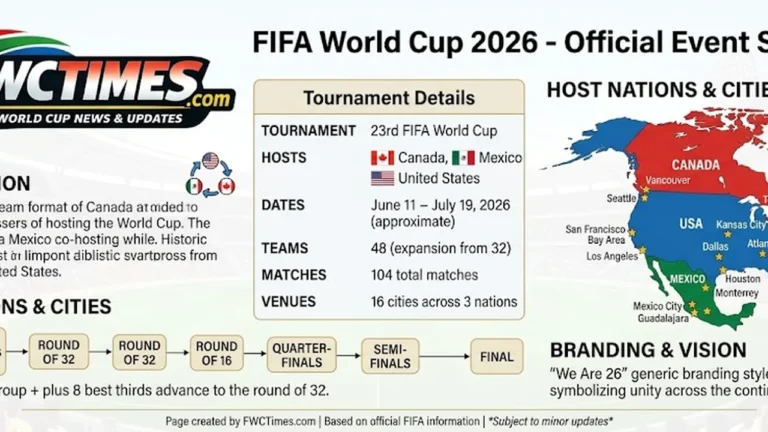
Connection to FIFA World Cup 2026
penetrating passes can punish high-pressing teams at the FIFA World Cup 2026. Tournament pressure makes decision quality as important as technique.
Elite passers will look for curved runs from fast forwards before defenders recover. Opponents will study those tendencies before matches and prepare specific defensive responses.
A single disguised pass can turn a controlled match into a one-on-one chance. One successful action can break a defensive structure, create a shot, or change the match rhythm.
Frequently Asked Questions
What is through ball football?
Through ball football describes a pass played into space behind or between defenders. A teammate runs onto the ball instead of receiving it at their current position.
Why do teams use through balls?
Teams use through balls to bypass defensive lines and create direct chances. The pass works best against space behind advancing defenders.
who are famous line-breaking passers?
Players such as Lionel Messi, Kevin De Bruyne, Mesut Ozil, and Andres Iniesta became known for penetrating vision. Their timing often matched precise forward runs.
What is the difference between a through ball and a normal pass?
A through ball targets future space for a runner. A normal pass often targets the teammate’s current position or a safer possession area.
Will through balls matter at World Cup 2026?
Yes, penetrating passes can punish high defensive lines at World Cup 2026. Passers and runners must coordinate timing to avoid offside.
Conclusion
The through ball gives players a specific solution when the ball and opponent create the right opportunity. Technique matters, but the next action decides its real value.
World Cup 2026 will show the skill under the highest pressure and against prepared defenders. Stay tuned to FWCTimes.com for the latest FIFA World Cup 2026 updates.
Read Also: What Is Dribbling in Football?