Inside Forward Football Position and Tactics Explained

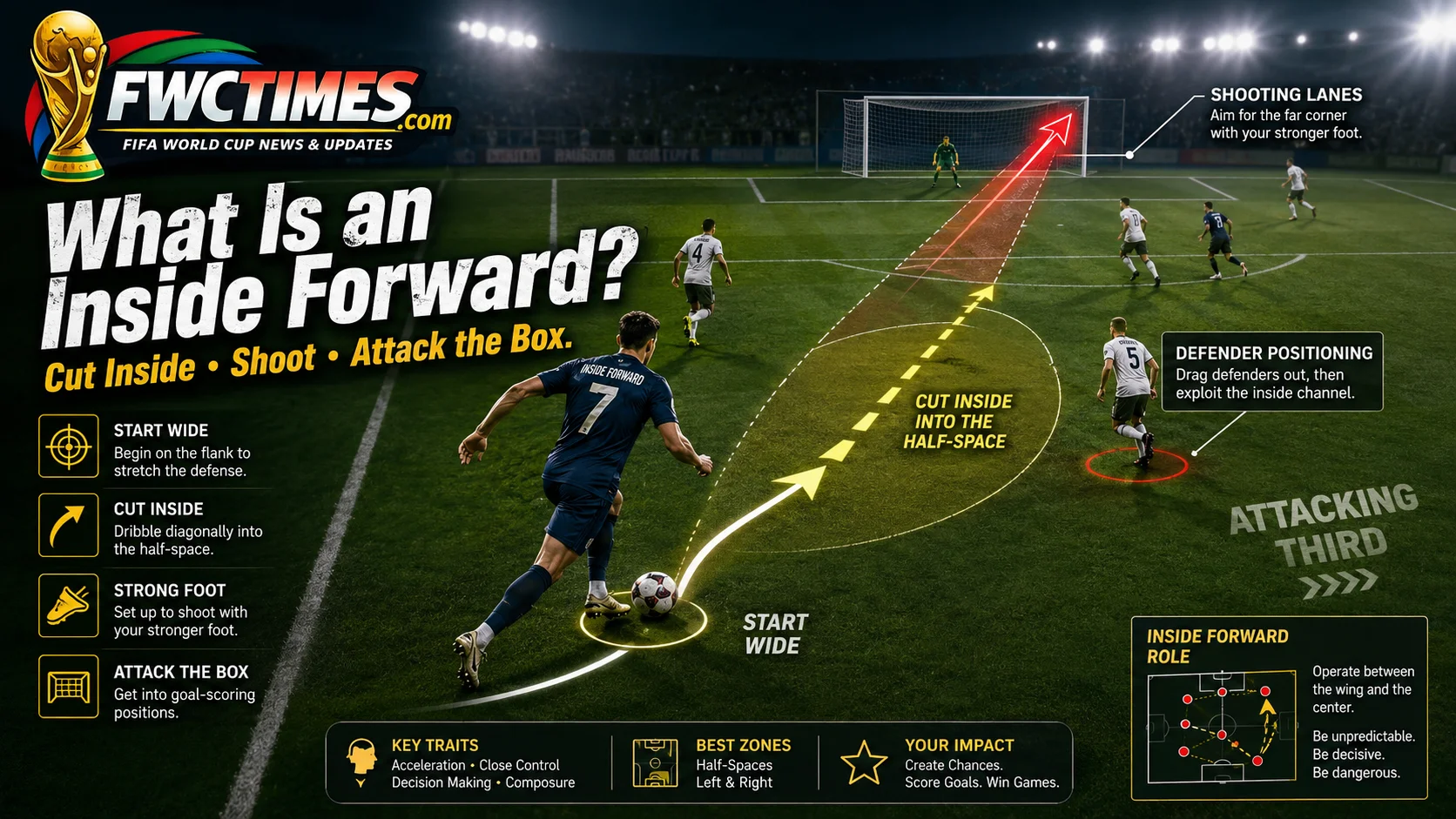
Tactical evolutions in modern soccer have transformed the duties of wide attacking players. The inside forward football system utilizes wingers who cut inside toward central zones. These inverted attackers create dangerous shooting opportunities from the half-spaces. This article covers the tactical functions and requirements of this modern role.
Modern coaches prioritize players who can exploit gaps in the opposition defense. You must develop excellent dribbling and passing skills to succeed. The role requires quick thinking and high levels of tactical awareness. Attacking players must adapt to these changing tactical requirements.
Core Tactical Functions of Inside Forward Football
Inside forwards start their runs from wide positions before moving diagonally toward the box. A right-footed player typically operates on the left side of the pitch. This orientation allows the attacker to cut inside onto their stronger foot. The player can then shoot or deliver a precise pass.
Opposing full-backs face a difficult choice when marking these creative players. Defenders must decide whether to track the runner inside or protect the wing. This hesitation often creates space for overlapping teammates to exploit. The dynamic movement forces the entire defensive shape to shift.
Evolution of Inside Forward Football
The concept of the inside forward has shifted dramatically since the early decades of the sport. Classic tactical systems used these players as advanced central creators who supported the main striker. Modern coaches transformed this task by moving the starting position to the wide flanks. As a result, contemporary players cut inside to attack rather than starting centrally.
Wide forwards now look to score goals rather than focus on crossing. This shift has changed how scouts evaluate attacking talent in modern football. You must show goal-scoring instinct and composure when entering the penalty area. The modern version of the position is highly effective in tournament play.
Differences from the Traditional Winger
Traditional wingers focus on staying close to the touchline to provide natural width. They isolate full-backs and deliver crosses into the penalty box. In contrast, the inside forward behaves like an additional central striker. You should check our winger in football guide to compare these roles.
The inside forward functions effectively when combined with specific forward systems. Teams often deploy these players alongside a dropping central forward. A false 9 in football creates spaces by pulling center-backs out of position. Inside forwards then run into the vacated central areas to score.
Inside Forward Classifications
Attacking systems require clear guidelines for wide and central player roles. Coaches must balance width and central threat depending on their chosen system. The structured details clarify the key duties of different attacking roles.
| Role Type | Main Zone | Key Action | Best Support |
|---|---|---|---|
| Inside forward | Half-space | Cuts inside to score | Overlapping full-back |
| Traditional winger | Touchline | Crosses from wide | Box striker |
| Inverted winger | Wide to inside | Creates or shoots | Underlapping midfielder |
| Wide forward | Front line | Runs beyond defence | Creative number 10 |
| Second striker | Central channel | Links and finishes | Main striker |
Tactical Formations and Support
The effectiveness of inside forwards depends heavily on the team shape. A 4-3-3 formation offers the best platform for inverted wide attackers. The three midfielders support the defense while the forwards attack. Managers choose this system to maintain balanced defensive cover.
Defensive positioning remains an essential duty for modern inside forwards. You must track back to support your full-back against wide overloads. Staying too narrow can leave the flanks exposed to rapid counter-attacks. Smart players adjust their position based on the ball location.
Egypt and the FIFA World Cup 2026
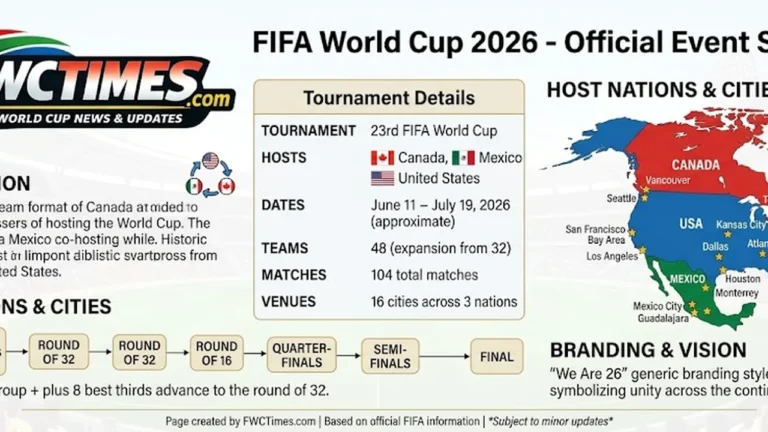
The upcoming tournament will showcase elite wide players using these tactics. The FIFA World Cup 2026 will feature top national teams with inverted wingers. Managers will design specific game plans to exploit the half-spaces. These creative tactics will decide many close group matches.
Star forward Mohamed Salah will represent Egypt using this specific role. His diagonal runs will create direct goal threats for the national team. Supporters can follow their progress through our regular updates. Elite teams rely heavily on these individual moments of skill.
Conclusion
The inside forward position remains a vital component of modern attacking play. Inverted runs and diagonal passes keep opposing defensive lines under pressure. Teams must combine this role with overlapping options to maintain width. Creative spacing will unlock the best defensive units.
Other forward variations also contribute to the team’s offensive output. You can check the poacher in football guide to learn about close-range scorers. Understanding these roles helps fans appreciate the complexities of team selection. Keep studying tactical guides to improve your knowledge.
Frequently Asked Questions
What is inside forward football?
The inside forward position describes a wide attacker who cuts inside. These players start on the flank but attack central scoring zones. They use inverted runs to create shooting and passing opportunities. The role is highly popular in modern tactical setups.
How is an inside forward different from a traditional winger?
Traditional wingers stay wide to deliver crosses from the touchline. Inside forwards cut inside to shoot or combine with midfielders. Wingers look to isolate full-backs on the outside lanes. Inside forwards target the space between the center-back and full-back.
Why do managers use inverted wingers?
Inverted wingers play on the side opposite to their stronger foot. This positioning allows them to cut inside and shoot across the goalkeeper. It creates better shooting angles and opens space for overlapping full-backs. The tactic makes the attack more unpredictable.
Which formations suit inside forwards?
The 4-3-3 formation is the most suitable shape for inside forwards. This structure provides three central attackers and three supporting midfielders. It allows the wide forwards to occupy the half-spaces easily. The full-backs provide the necessary width outside.
Who is a famous inside forward at World Cup 2026?
Mohamed Salah is a prime example of an inside forward. He starts on the right wing but cuts inside onto his left foot. Salah creates major goal-scoring opportunities for club and country. His diagonal runs are difficult for defenders to mark.