Rules for World Cup 2026 Dual Nationality Players

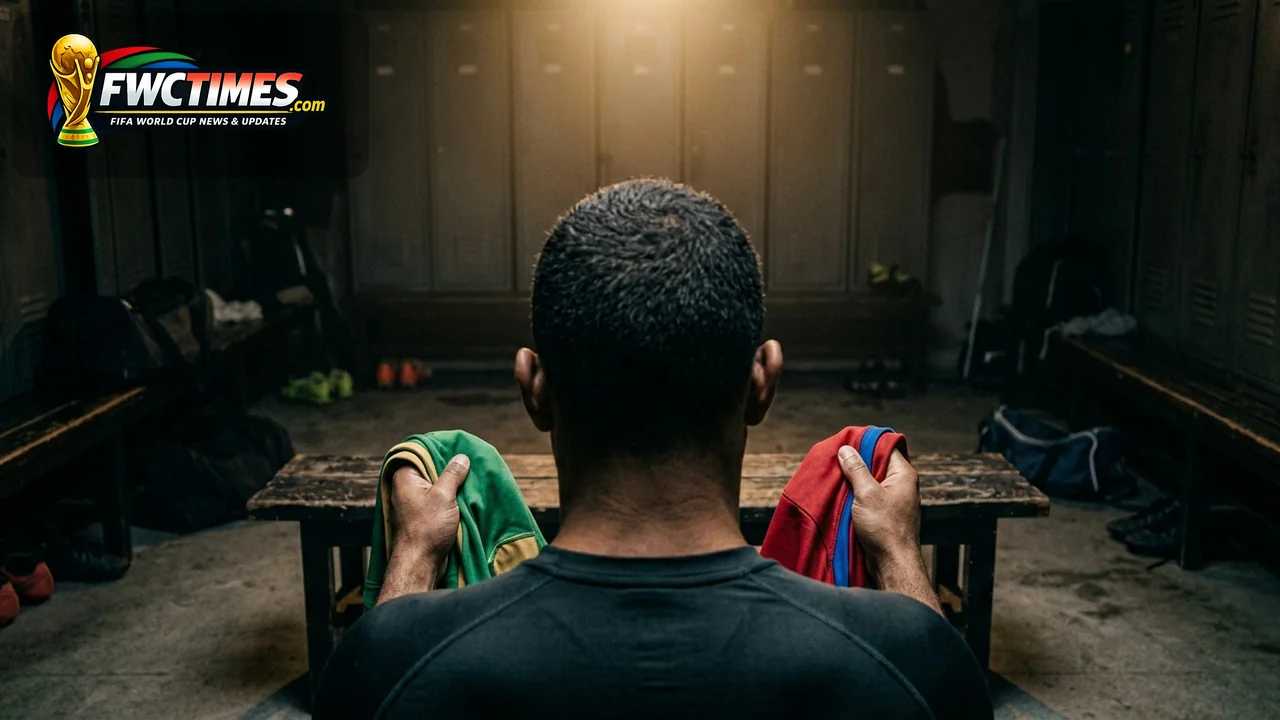
World Cup 2026 dual nationality players will draw significant attention. Because several nations can select players raised in other countries. The key question is whether each player has already committed, switched, or remains eligible. In fact, supporters are eager to see how these decisions shape the final rosters.
What are the World Cup 2026 dual nationality rules?
Dual nationality players can play at the tournament if they meet strict eligibility rules. Some players need formal FIFA approval after youth or senior appearances elsewhere. On top of that, coaches must decide if these players fit into their final squads. The selection process remains highly competitive for every nation.
Known switch cases include Folarin Balogun and Malik Tillman for the United States squad. Another example is Brahim Diaz choosing to represent Morocco after a Spain senior friendly appearance. So, these players will bring valuable international experience to their new teams. Their contributions could be decisive in the group stage.
World Cup 2026 Dual Nationality Players Explained
Dual nationality means a footballer may qualify for more than one national team. International football then asks which association the player can represent under FIFA rules. Since youth academies are highly diverse, many prospects hold multiple passports today. Coaches must monitor these player pools closely.
Some players choose their national teams early through youth development setups. Others wait until senior football offers them a clear sporting path or family connection. Yet, a switch does not become official because of social media rumors. FIFA clearance and match registration decide the final outcome.
| Player | Earlier Path | Current Association | World Cup 2026 Status |
|---|---|---|---|
| Folarin Balogun | England youth setup | United States | yet to be confirmed |
| Malik Tillman | Germany youth setup | United States | yet to be confirmed |
| Timmy Tillman | Germany youth setup | United States | yet to be confirmed |
| Brahim Diaz | Spain senior friendly | Morocco | yet to be confirmed |
| Yunus Musah | England youth setup | United States | yet to be confirmed |
These selected footballers represent notable cases of change-of-association clearances in recent years. Each player followed a unique path to secure their current international status. As a result, they are now eligible to represent their chosen nations in North America. Their performances will be closely watched by fans.
Why Dual Nationality Matters in the Tournament
The expanded tournament format gives countries a strong reason to build deeper player pools. A dual-national decision can change a team’s midfield depth or attacking options. Still, host nations gain extra attention because many players grew up across different systems. The USA has several high-profile dual nationals in its current squad.
Other teams like Morocco and Canada also monitor players with multiple ancestral roots. Final squad lists will show which choices turn into tournament reality. Because of this, fans should track the official announcements during the weeks leading to kickoff. The final squad depth will determine who survives the grueling schedule.
Who Switched Countries Before the Event
Folarin Balogun became eligible for the American team after a switch from England’s youth setup. His case matters because striker depth can shape a tournament team. Since he committed to the squad, he has scored key goals in competitive games. USMNT coaches are pleased with his integration.
Malik Tillman also received clearance to represent the American side after playing for Germany. His brother Timmy Tillman completed a similar change-of-association process. So, both players are now options for the midfield positions. Their technical quality adds depth to the team.
Tactical Role of World Cup 2026 Dual Nationality Players
Brahim Diaz chose to play for the Moroccan team after appearing in a friendly for Spain. His case shows how friendly matches leave a path open under eligibility rules. Yet, competitive senior caps will lock a player to a single nation forever. Fans should understand these details to avoid confusion.
Switched players must perform at their best to secure a place in the squad. Coaches will select players based on form rather than name status. So, having dual citizenship does not guarantee a spot on the plane. The final roster decisions will remain difficult for every manager.
Frequently Asked Questions
What is a dual nationality player?
A dual nationality player is eligible to represent more than one country. In fact, eligibility is based on birth, family heritage, or citizenship. FIFA guidelines determine which country the player can represent. The final decision remains with the athlete.
Which dual nationality players switched before World Cup 2026?
Known examples include Folarin Balogun, Malik Tillman, Timmy Tillman, and Brahim Diaz. Their final World Cup 2026 selections are yet to be confirmed. Since coaches select squads based on form, players must earn their spots. The competition for roster positions is intense.
Can a player switch after senior caps?
Sometimes, but competitive senior caps can block a switch under FIFA rules. Yet, friendly appearances do not always restrict a player from changing teams. FIFA reviews the specific match history of each applicant. Players must satisfy all age and timing criteria.
Are youth internationals allowed to switch countries?
Yes, youth players can switch if they meet FIFA requirements. They must submit a formal change-of-association request for approval. As a result, they will gain eligibility for their new national team. The process can take several months to complete.
Will all switched players play at World Cup 2026?
No, because eligibility does not guarantee a final squad selection. Coaches choose rosters based on fitness, form, and tactical needs. So, some eligible dual nationals might miss the final tournament. The squad announcements will reveal the final selections.
Conclusion
World Cup 2026 dual nationality players will add real selection drama to the tournament buildup. Some switches are complete, while final places remain unconfirmed until squad lists arrive. Since the competition is fierce, players must maintain peak form at their clubs. The final squad selections will shape the tournament matchups.
Fans can read the World Cup 2026 Player Eligibility Rules guide for more details. This resource covers the regulatory updates and citizenship rules for athletes. So, check the guide to understand how national teams build their pools. The upcoming summer games will showcase diverse talents from all backgrounds.