What is Overlapping Full Back Football?

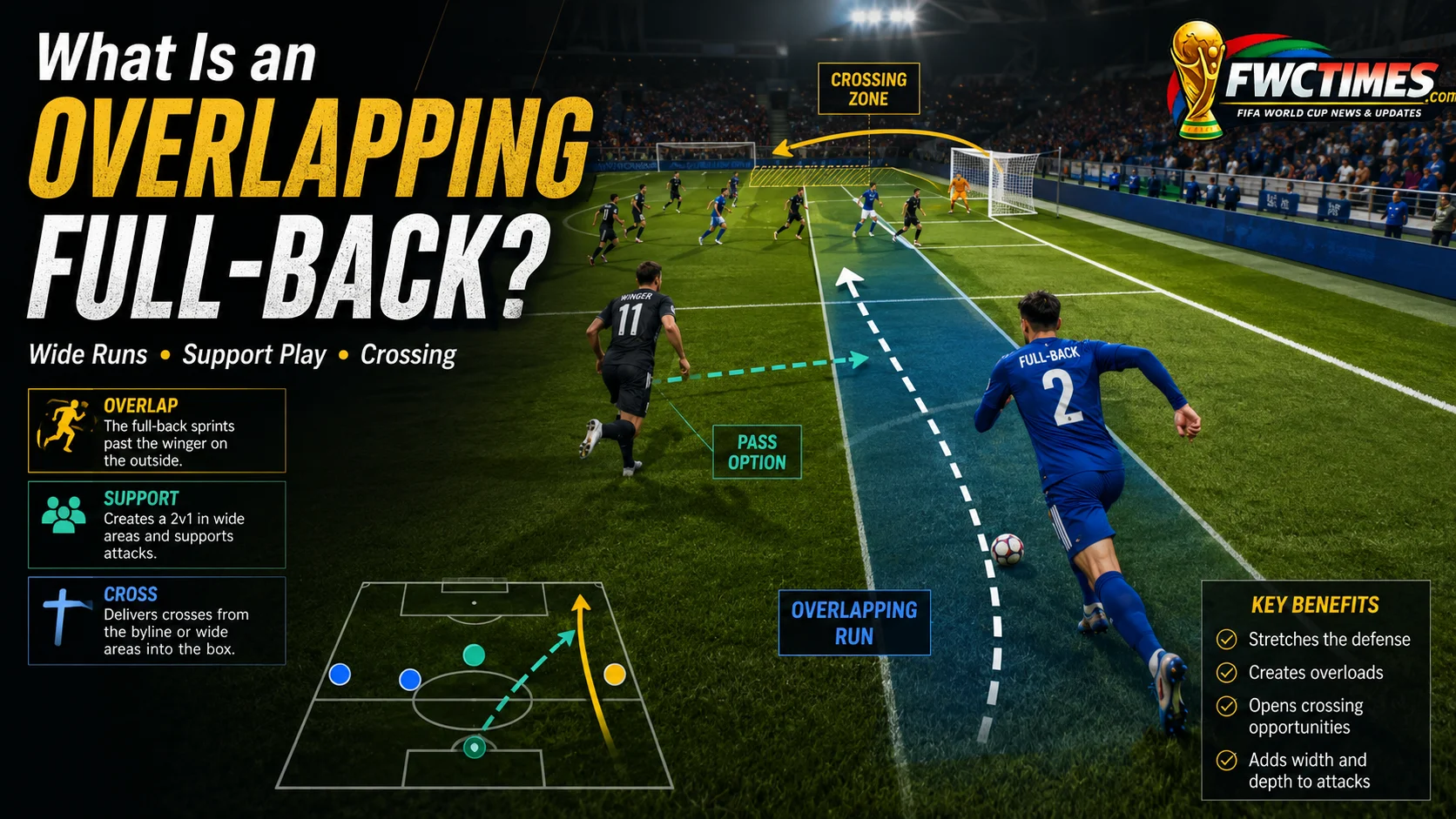
In overlapping full back football, a wide defender runs beyond the winger into attacking space. This article explains how wide defenders create overload situations on the pitch. Coaches use this specific movement to stretch opposing defenses and create crossing opportunities. We will explore the tactical requirements and fitness demands of this modern position.
The movement requires excellent timing between the full-back and the winger. If the winger dribbles inside, the defender can exploit the open outside lane. This action forces the opponent to make difficult decisions near the penalty area. A successful run can unlock compact defensive blocks during critical match moments.
Overlapping Full Back Football Role Explained
The overlap begins when the defender spots open space along the touchline. While the winger holds the ball, the full-back sprints around the outside channel. This running pattern creates a temporary two-on-one advantage for the attacking team. Referees often watch these runs for quick offside calls near the goal line.
Tactical analysts explain that timing is the most critical element of this play. The runner must arrive in the attacking zone exactly when the pass is ready. Sprinting too early allows opposing defenders to track the run with ease. Sprinting too late slows down the team attack and kills the momentum.
Key Overlapping Full Back Football Duties
The primary duties include supporting wide attacks and crossing the ball into the box. The player must also deliver accurate cutbacks to oncoming midfielders. Stamina remains vital because the role demands constant running throughout ninety minutes. Defenders must quickly return to their positions when the opposition wins possession.
Failing to recover can expose the central defense to quick counter-attacks. The player must balance attacking runs with solid defensive awareness. They must communicate with midfielders to cover the vacant space behind. Coaches prioritize this defensive cover during tactical training sessions.
How the Runner Creates Wide Space
The wide run forces the opposing defender to make a difficult choice. They must decide whether to follow the winger or block the overlapping runner. This split-second hesitation creates a clean passing lane for the attacking team. Teams use this movement to break down opponents who defend very deep.
The movement expands the traditional full back role football by adding offensive duties. Traditional defenders stayed deep to protect the goalkeeper and clear danger. Modern tactics expect these players to act as secondary wingers during attacks. This change has made football more dynamic and high-scoring across leagues.
Timing with Wingers and Wide Players
A strong partnership between the two wide players is essential for success. The winger in football must protect the ball until the defender arrives. This coordination allows the passer to release the ball into the runner’s path. The combination works best when both players understand each other’s movements.
The overlap also works as a useful decoy run to confuse opponents. If the defender follows the runner, the winger can cut inside to shoot. This option benefits an inside forward in football who wants to score. The defender’s run pulls the opposition away from the central shooting lanes.
Overlapping Full-Back vs Other Wide Roles
We compare the different wide positions and their primary movement patterns below. Each role has distinct tactical responsibilities depending on the team formation. Coaches select these roles to match their specific style of play. The details explain how overlapping differs from other modern wide movements.
| Role | Main Movement | Main Job | Key Difference |
|---|---|---|---|
| Overlapping full-back | Runs outside the winger | Create width and crossing chances | Attacks the outside lane |
| Underlapping full-back | Runs inside the winger | Attack half-space | Moves between defenders centrally |
| Inverted full-back | Moves into midfield | Support possession and rest defence | Leaves wide lane to winger |
| Wing-back | Covers the whole flank | Attack and defend wide channel | Usually has three centre-backs behind |
An underlapping player runs inside the winger toward the central space. An overlapping player stays close to the touchline to provide maximum width. Both runs stretch the defense but create very different passing angles. Coaches choose between these options based on the opponent’s defensive structure.
Relevance to the FIFA World Cup 2026
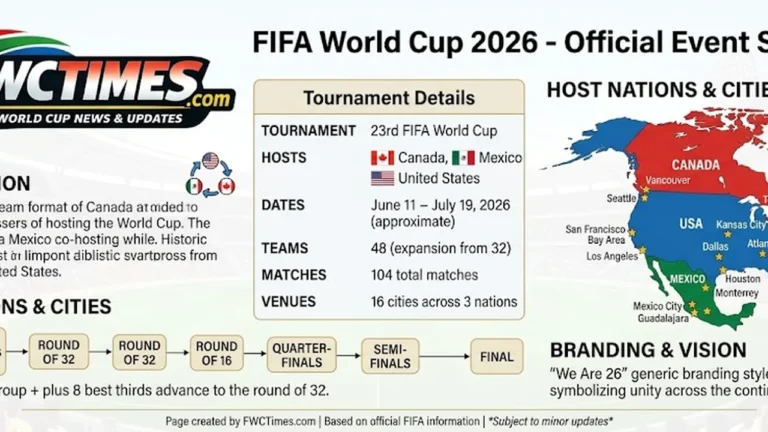
Teams at the FIFA World Cup 2026 will rely heavily on wide defenders. We expect many matches to feature deep defensive blocks near the penalty area. Overlapping runs will help attacking teams open up these stubborn defensive systems. Coaches will prepare these patterns during pre-tournament training camps.
Canada will showcase this tactic if their star player features in defense. His exact role for the national team is yet to be confirmed. His incredible speed makes him a perfect fit for wide attacking runs. Fans can expect to see dynamic full-backs dominate matches during the tournament.
Frequently Asked Questions
What is overlapping full back football?
This tactic involves a wide defender running outside the winger to support attacks. The movement stretches the opponent’s defense and creates space near the touchline. Teams use this play to deliver crosses into the penalty box.
What does an overlapping full-back do tactically?
The player creates wide overloads and provides a passing outlet on the flank. They must also deliver accurate crosses to the forward players. When the team loses the ball, they must sprint back to defend.
What is the difference between overlapping and underlapping?
An overlapping run goes outside the winger near the touchline. An underlapping run goes inside the winger through the half-space. Both runs serve to disrupt the opponent’s defensive organization in different areas.
Why does stamina matter for this position?
The player must cover the entire length of the pitch during matches. They need high fitness to sprint forward and recover defensively. Without stamina, they will leave the central defenders exposed to attacks.
Will this role be important at World Cup 2026?
Yes, teams will use wide runs to break down narrow defensive setups. Fast full-backs will play key roles in creating goalscoring chances. Their tactical discipline will decide many tight matches in the tournament.
Conclusion
The overlapping defender remains a crucial part of modern attacking football. This role provides width, speed, and numerical advantages in wide areas. Players must balance their offensive instincts with defensive duties to succeed. We will see many tactical variations during the upcoming world tournament.
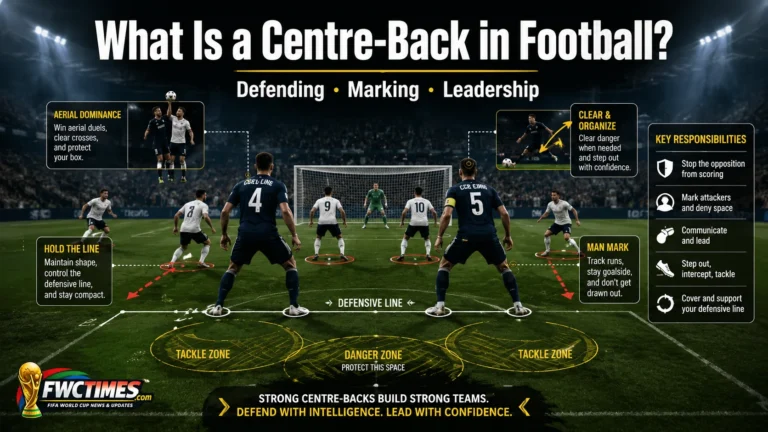
The best teams will combine speed with defensive cover on the flanks. To learn more about tactics, check our detailed football position guides. Read Also: What Is a Centre-Back in Football? Our writers publish fresh tactical analyses every week for football fans.