How to Be a Good Defender in Football Tips and Tactics

Defenders can learn positioning and patience to control the defensive third of the pitch. You can practice how to be a good defender in football using professional tactical tips. The best players read the opponent’s movements before making a tackle. Understanding these concepts will help you protect your goal during matches.
Coaching staff value players who maintain discipline and show composure under pressure. You must focus on your technical skills during every training session. Developing quick footwork allows you to change direction rapidly in games. These habits will improve your defensive contributions.
Core Principles of How to Be a Good Defender in Football
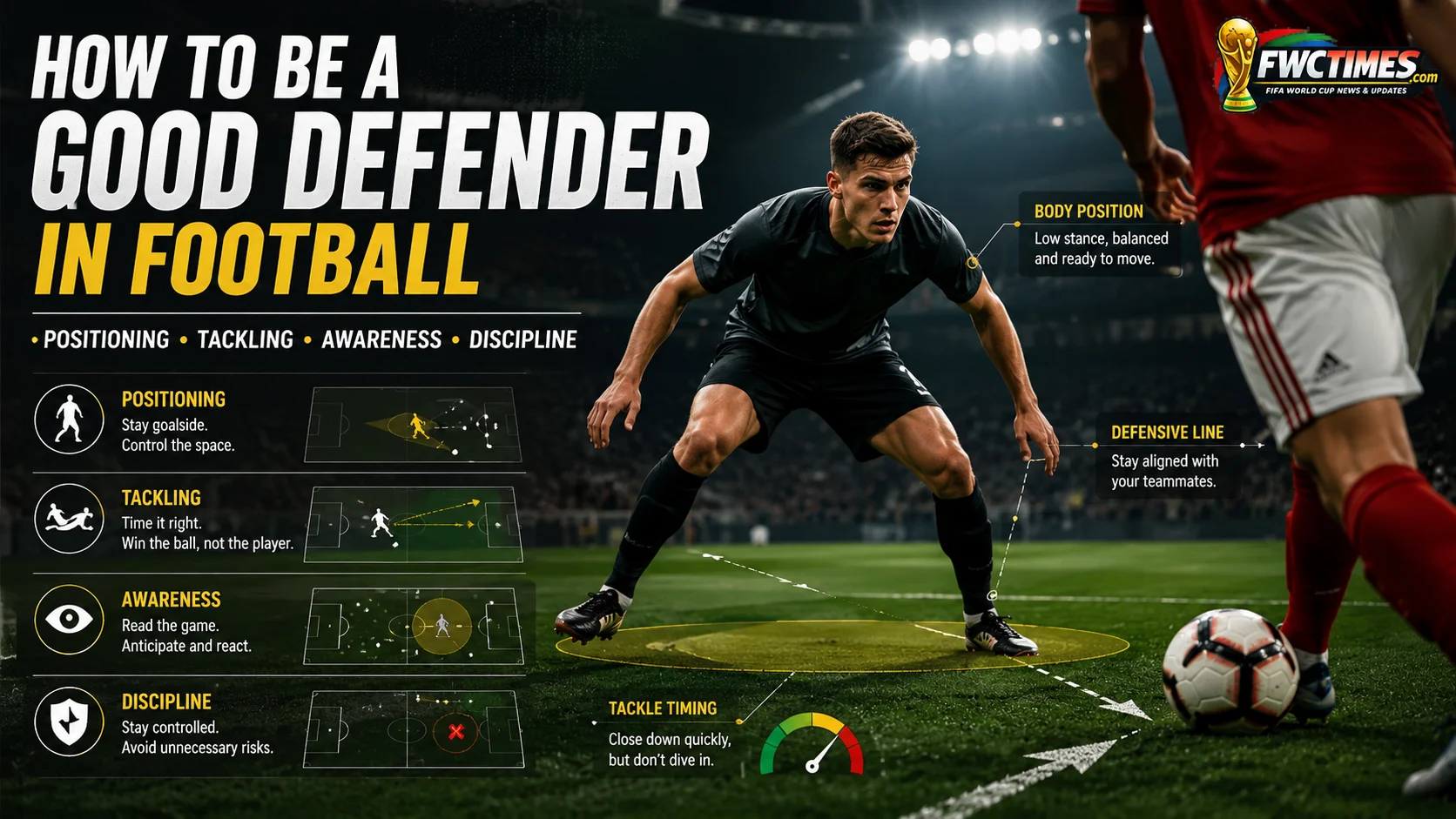
The primary objective of any defender is to protect the goal-side space. You must stay between the attacker and the goal at all times. Rushing toward the ball often creates open space for the opponent. Balanced body positioning helps you react quickly to sudden changes of direction.
Defenders must coordinate with teammates to maintain a strong defensive line. You should communicate constantly to share marking duties and cover gaps. A reliable defender waits for the right moment to attempt a tackle. This patience reduces the risk of committing unnecessary fouls.
Tactical Value of How to Be a Good Defender in Football
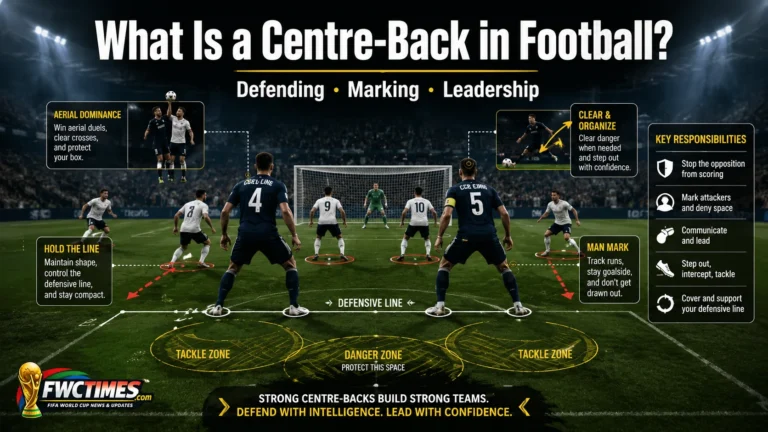
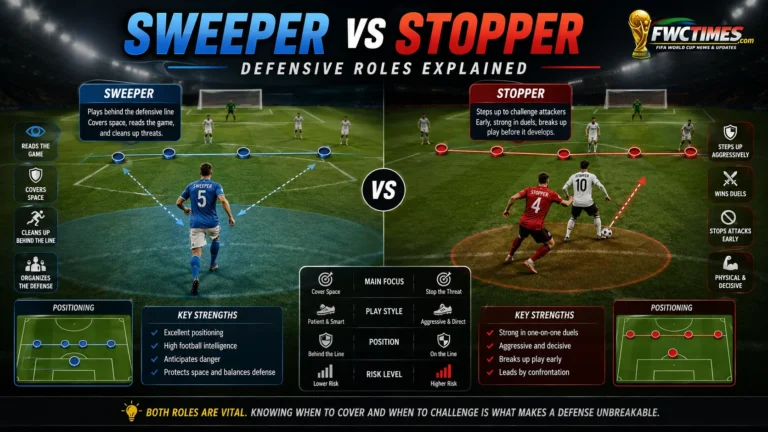
Coaches prioritize players who can organize the defensive shape of the team. A strong centre-back role is crucial for managing central threats. These central defenders must win aerial duels and clear dangerous crosses. They also direct the movements of the full-backs beside them.
Wide defenders also play a key part in the defensive system. A full-back in football must stop wingers from crossing the ball. You must force the attacker out toward the touchline to limit passing options. Good body shape helps wide players recover quickly during transitions.
Essential Defensive Skills Checklist
Defenders need a varied set of skills to handle different match scenarios. Training must focus on physical presence, tactical awareness, and technical control. The structured criteria guide development for players in all defensive positions.
| Skill | Why It Matters | Training Focus |
|---|---|---|
| Positioning | Keeps the goal protected before the duel starts | Goal-side angles and line control |
| Body Shape | Helps the defender react to runs and passes | Side-on stance and quick feet |
| Communication | Keeps the defensive unit compact | Clear calls, cover, and marking information |
| Tackling | Wins the ball when timing is right | Patience, distance, and clean contact |
| Heading | Protects the box against crosses and long balls | Take-off timing and clearance direction |
| Passing | Starts attacks after regaining possession | First pass, composure, and scanning |
Jockeying and 1v1 Defending
Jockeying is the act of delaying the attacker without making contact. You should drop off slightly to deny space to run into. Keep your knees bent and stay on the balls of your feet. This posture allows you to shift direction at a moment’s notice.
Tackling should be your last option during a defensive duel. Wait for the attacker to take a heavy touch before stepping in. A clean tackle wins the ball and starts a quick transition. Rushing your tackles leads to cards and free kicks.
Defending as a Unit and Midfield Cover
Defending is a collective effort that requires total team coordination. You must shift left or right depending on where the ball is. A compact shape prevents the opponent from playing passes through the middle. Defenders should guide attackers toward the sideline where help is close.
Midfielders provide the first line of defense in front of the back four. A defensive midfielder in football screens passes and wins second balls. This support reduces the pressure on central defenders during quick transitions. Teams with strong midfield protection concede fewer goals overall.
Modern Defending in the FIFA World Cup 2026
Modern defenders will face intense physical challenges during the next tournament. The FIFA World Cup 2026 will feature fast attackers and dynamic systems. Players must maintain their focus across the entire ninety minutes of play. One defensive error can eliminate a nation from the competition.
Star defenders show the importance of positioning under high pressure. Watching elite players helps young defenders improve their tactical reading of the game. You can analyze their movements to improve your own matches. These observations show how top players manage defensive zones.
Conclusion
Becoming a great defender requires regular practice and clear discipline. You must focus on body shape, positioning, and patient timing. Working with your teammates will help keep the defensive unit compact. Composure on the ball is vital to starting new attacks.
Defensive roles have evolved to require both strength and passing skills. You can check the wing-back in football guide to learn about wide positions. Understanding these different roles helps you appreciate modern defensive tactics. Keep practicing your positioning to dominate your next match.
Frequently Asked Questions
How to be a good defender in football?
You must prioritize positioning and goal-side marking first. Stay side-on to react quickly to the attacker’s runs. Communicate with teammates and delay the opponent before attempting a tackle. Patience is the key to winning defensive duels.
What is jockeying in football?
Jockeying is delaying an attacker by staying in front of them without tackling. Keep your knees bent and feet balanced as you drop off. This tactic forces the attacker to make a predictable move. You can step in once they take a heavy touch.
Why is communication important for defenders?
Communication keeps the defensive line organized and compact. You must alert teammates about runners and open spaces. Calling for support prevents attackers from exploiting gaps in the line. Clear instructions help players cover each other under pressure.
What is the goal-side position?
Goal-side means positioning yourself between the attacker and the goal. This stance prevents the opponent from running directly toward the net. It is the fundamental rule of defensive positioning in football. You must maintain this position during all attacks.
How does a defensive midfielder help the defense?
A defensive midfielder screens the backline and blocks passing lanes. They intercept passes and tackle opposing attackers in the midfield. This protection reduces the direct pressure on the center-backs. Their work is vital for keeping a compact team shape.