What Is a Hat Trick in Football? Meaning and Origin

A hat trick in football happens when one player scores three goals in the same match. The goals do not need to be consecutive or use the same finishing method.
Goals scored during regulation time, stoppage time, and extra time can form the achievement. Kicks taken during a penalty shootout do not enter a player’s match goal total.
What Is a Hat Trick in Football?
One player completes a triple by scoring three times in one match. Other players can score between those goals without changing the achievement.
A player can score all three before half-time, across both halves, or during extra time. Shootout kicks remain separate from match statistics.
triple in Football Meaning and Scoring Rules
A triple belongs to the individual scorer rather than the team. The final result can be a win, draw, or defeat. The only basic requirement is three credited goals by one player.
Official match goals count regardless of their order. A striker could score first, watch a teammate score next, and then add two more. This sequence still creates a triple.
Penalty goals taken during normal play or extra time can count. Own goals do not count toward the player who put the ball into their own net. Shootout kicks decide a tie without changing the official match score.
Commentators sometimes use broader labels after the third goal. Four goals may be called a haul, while five goals remain a rare scoring feat. The third goal still marks the triple moment.
How Players Build a triple
triples often combine movement, finishing, and repeated access to strong shooting positions. A scorer may attack space behind defenders, meet crosses, or convert rebounds. Penalty-area awareness creates repeat chances.
The first goal can change how defenders guard the scorer. They may provide tighter marking or use extra cover. Smart forwards respond by changing runs and attacking another channel.
Teammates also shape the scoring opportunity. Creative players supply passes, wide players deliver crosses, and pressing can force turnovers. A triple usually reflects both individual finishing and team chance creation.
Game state affects the final opportunity. Opponents chasing an equaliser may leave more space behind. The scorer still needs composure because defenders know another goal will complete the feat.
Perfect triples and Other Scoring Terms
A perfect triple is an informal football term. The player scores once with the right foot, once with the left foot, and once with the head. The three goals can arrive in any order.
A natural triple usually means three consecutive goals by one player without another scorer intervening. This label describes the scoring sequence rather than a separate official record. Football organisations can present records using different terminology.
A brace means one player scores twice in the same match. The third goal turns the brace into a triple. A fourth goal extends the total without removing the earlier achievement.
A first-half triple places all three goals before the interval. A substitute can also complete one after entering the match. Minutes played do not change the basic definition.
triple Football Term Comparison
| Scoring Term | Goals by One Player | Key Detail |
|---|---|---|
| Brace | Two | Goals can arrive at any match time |
| triple | Three | Goals do not need to be consecutive |
| Perfect triple | Three | Right foot, left foot, and header |
| Four-goal haul | Four | Extends beyond a completed triple |
| Penalty shootout kick | Not added | Does not enter match goal statistics |
Where the triple Term Came From
The triple expression came from cricket before football adopted it. H. H. Stephenson took three wickets with three consecutive deliveries in 1858. A collection reportedly funded a triple presented to him.
The phrase later spread across sports recognizing three notable achievements. Football applied it to three goals by the same player. The sporting meaning now reaches far beyond its cricket origin.
Football records separate competition stages and match types. A qualifying triple and a tournament-finals triple can appear in different record lists. Researchers should check the competition scope before comparing totals.
World Cup scoring records also distinguish finals matches from qualification. FWCTimes tracks the tournament list in its World Cup triple records. This distinction protects accurate historical comparisons.
Why triples Matter to Teams and Players
Three goals can decide a match and transform standings. Goal difference can also improve when the team wins by a wide margin. Coaches still manage risk once the result looks secure.
The achievement strengthens a player’s scoring record and award case. FWCTimes covers the tournament’s leading scorers in its World Cup Golden Boot history. One triple can reshape this race.
Strikers improve their chances through varied finishing and sharper movement. The striker scoring guide explains techniques for creating repeat opportunities. Finishing remains valuable only when movement creates the shot.
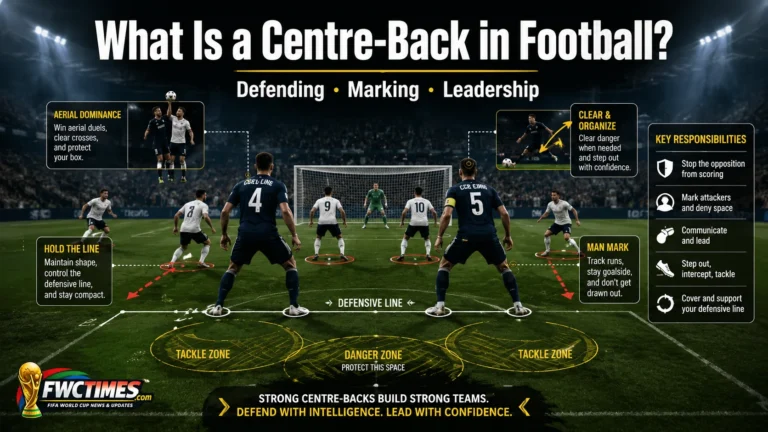
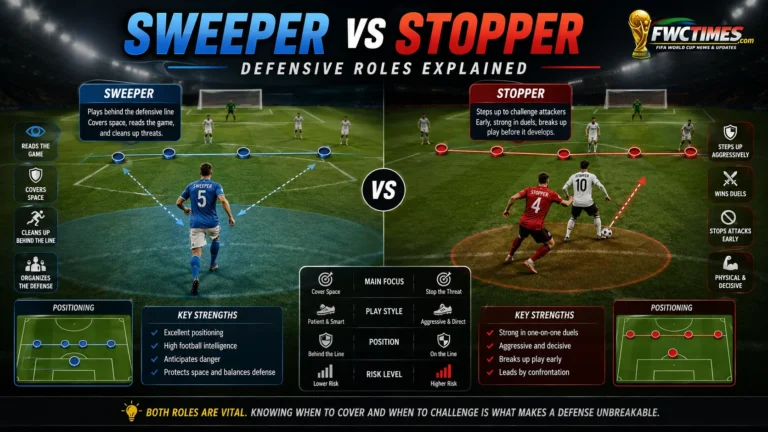
Defenders respond by denying service and protecting central spaces. They can pass marking responsibility as the scorer moves across the line. Strong teams react before a second goal becomes a third.
How triple Records Are Compared
Record comparisons need a clear competition scope. Tournament-finals goals, qualification goals, club goals, and international goals belong to different lists. A scorer can lead one list without leading another.
Researchers also compare age, speed, match stage, and scoring method. A first-half triple answers a different question from the youngest scorer record. Each claim needs its own verified measurement.
Official scorer decisions matter when a shot takes a deflection. The goal must remain credited to the player before it enters a triple total. Later statistical corrections can change record lists.
Pelé became the youngest men’s World Cup triple scorer in 1958 at age 17. This record shows why tournament, age, and match details must stay attached to the achievement.
Connection to FIFA World Cup 2026
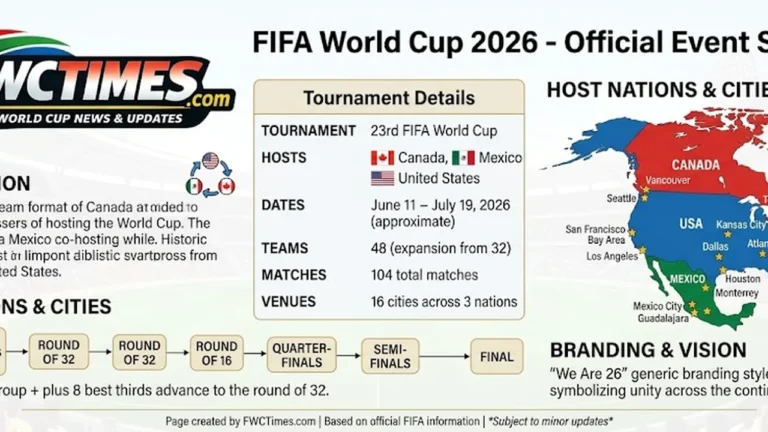
At the FIFA World Cup 2026, the expanded 48-team format creates more matches and more scoring opportunities. Elite forwards can still find triples difficult against prepared international defences.
Group matches may open when teams need goal difference or chase qualification. This game state can create late spaces for a scorer already holding two goals.
A World Cup triple can influence the Golden Boot race and become a lasting tournament memory. The scorer must still convert three separate chances under international pressure.
Frequently Asked Questions
Explain the meaning of a hat trick in football.
A hat trick in football means one player scores three goals in the same match. The goals do not need to be consecutive.
Do penalty goals count toward a hat-trick?
Penalty goals during normal play or extra time count toward a triple. Kicks taken during a penalty shootout do not enter official match goal totals.
Where did the term hat-trick come from?
The term came from cricket after H. H. Stephenson took three wickets in three balls in 1858. Football later adopted the phrase for three goals by one player.
Describe the difference between a brace and a hat-trick.
A brace means one player scores two goals in one match. A triple requires three goals by the same player.
Could World Cup 2026 produce more hat-tricks?
World Cup 2026 has more teams and matches than earlier editions, so the tournament offers more total scoring opportunities. A triple will still require elite finishing in one match.
Conclusion
A triple rewards a scorer who converts three separate chances before the match ends. Different finishes, match phases, and scoring sequences can all produce the same achievement.
World Cup 2026 will give leading forwards another chance to join a celebrated scoring record. Stay tuned to FWCTimes.com for the latest FIFA World Cup 2026 updates.
Read Also: Most Goals in a Single FIFA World Cup Tournament