How High Press Football Tactics Shape Matches

High press football tactics have revolutionized how modern teams defend in professional leagues. Instead of dropping deep, players defend aggressively in the opponent half of the pitch. This style aims to win possession close to the opponent goal. Our tactical guide explains the rules, triggers, and team requirements for this strategy.
Understanding High Press Football Tactics
A team using this style must act as a single coordinated unit. Forwards start the pressure by closing down the opposing central defenders. Midfielders must step up to mark central passing options and intercept loose balls. Coordinated movement prevents the opponent from finding open passing lanes out of defence.
Coaches like Pep Guardiola and Jurgen Klopp popularized these methods in modern leagues. They demand high fitness levels from all outfield players to maintain pressure. Continuous sprinting is required to trap opponents near their own corner flags. Teams that lack physical conditioning will struggle to sustain this defensive shape.
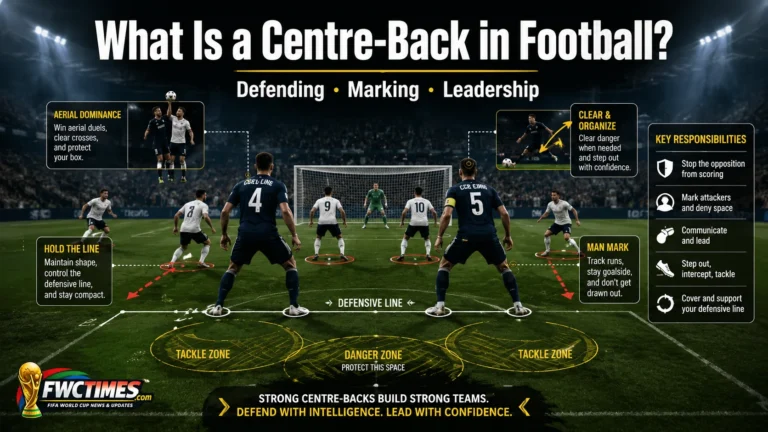
How a High Defensive Line Supports the System
Pressing high requires the back line to push up toward the halfway line. This positioning keeps the team compact and closes down central midfield space. If defenders drop deep, huge gaps will appear between the team units. Opponents can easily exploit these open spaces to launch dangerous counter-attacks.
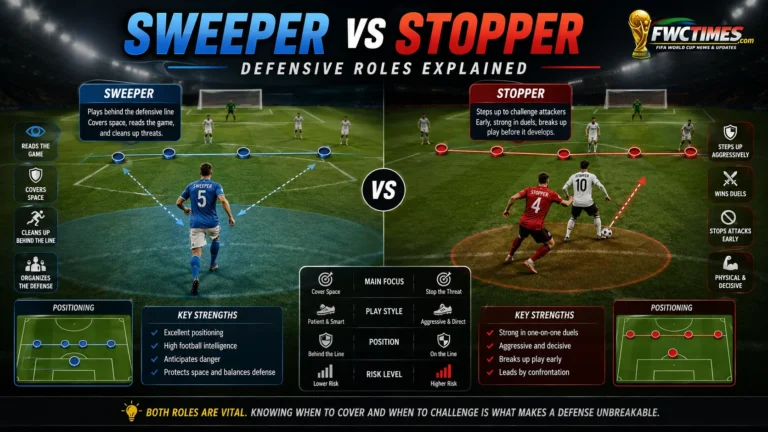
Goalkeepers must also play higher up the pitch to support their defenders. They act as sweeper keepers to clear long balls behind the defensive line. This proactive positioning helps extinguish long counter-attacking passes before they become dangerous. Keepers must possess excellent reading of the game to sweep safely.
Key High Press Football Triggers in Match Play
Teams wait for specific high press football triggers before sprinting to pressure the ball. A slow pass toward the opponent full-back is a common signal to attack. Bad touches by defenders also trigger immediate closure from nearby attacking players. When opponents face their own goal, they have limited passing options to escape.
Strengths and Risks of Pressing High
The main advantage of this tactic is winning possession close to the opponent goal. Turnover situations often find the opposing defence out of their standard positions. Attacking players can launch immediate shots or final passes to create high-value chances. This approach reduces the need for long, slow build-up play sequences.
The primary risk remains the open space left behind the defensive line. A single accurate long pass can bypass the entire pressing unit instantly. Defenders must win their individual duels or race back to protect their goal. Poorly timed pressure can lead to severe defensive emergencies in open play.
| Pressing Zone | Key Player Role | Primary Tactical Objective |
|---|---|---|
| Attacking Third | Strikers and wingers | Force errors and block short passes |
| Middle Third | Central midfielders | Intercept passes and win second balls |
| Defensive Third | Centre-backs and goalie | Clear long balls and manage space |
Connection to FIFA World Cup 2026
At the FIFA World Cup 2026, pressing tactics will shape many matches. The expanded tournament features forty-eight teams playing in diverse host cities. Many nations will use these methods to pressure opponents during the group stage. Coaches must manage player fatigue across repeated high-intensity matches in summer heat.
Fans can track how different squads build play from their own penalty boxes. Speedy attackers will test the composure of passing units under pressure. Teams with well-rehearsed pressing structures will have a clear advantage in close games. One successful high turnover can decide a crucial knockout match instantly.
Frequently Asked Questions
What does high press football mean?
High press football means defending aggressively in the opponent half of the pitch. The team attempts to win the ball close to the opponent goal. This strategy prevents the opponent from building attacks comfortably from the back. It requires coordinated teamwork and high physical fitness.
What is a pressing trigger?
A pressing trigger is a specific action that signals the team to press. Examples include a poor touch by a defender or a backward pass. A slow pass to the fullback also triggers immediate pressure. Players must recognize these triggers quickly to act together.
What are the risks of high press football?
The main risk is leaving open space behind the defensive line. If the opponent passes through the press, they face fewer defenders. Defenders must win their individual duels to prevent dangerous counter-attacks. Teams also face high physical fatigue from constant sprinting.
What is the difference between high press and counter-press?
A high press is a structured block designed to defend the opponent build-up. A counter-press is an immediate reaction to losing the ball in attack. Players try to win the ball back within seconds of losing it. Both tactics aim to control territory and possession.
How will high press football tactics impact World Cup 2026?
Many national teams will use high press football tactics to create quick chances. Composed build-up play will be necessary to escape these pressing systems. Match strategies will depend on weather conditions and squad rotation to manage fatigue. Fitness levels will play a major role in team success.
Conclusion
High press football tactics offer a proactive way to control matches without having the ball. Teams can generate immediate offensive chances by forcing turnovers in dangerous areas. Still, this strategy requires total commitment and superb physical conditioning to succeed. Read our guides on World Cup 2026 groups and the World Cup 2026 schedule PDF.
Read Also: What Is the 4-3-3 Formation in Football? This tactical guide explains how teams set up their defensive and offensive systems. Many managers choose this shape because it supports pressing patterns across the pitch. Understanding these formations helps supporters appreciate modern football matches.