World Cup 2026 Manager Profiles – All 48 Head Coaches

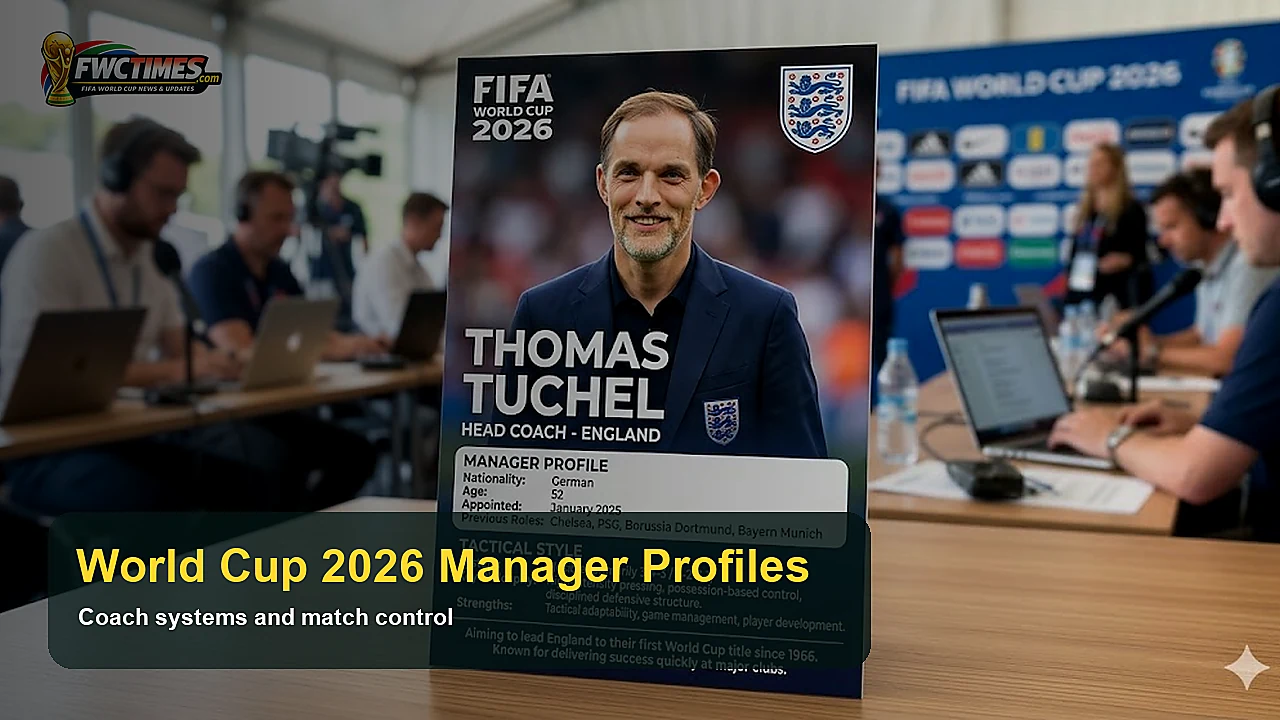
World Cup 2026 manager profiles now matter more than ever because the 48-team tournament puts huge pressure on every bench. Fans can use this refreshed hub to scan all 48 head coaches, compare their teams, and jump straight into each full profile.
All live profiles in this guide follow the same research-backed format: appointment details, tactical style, contract status, World Cup plan, and a clean FAQ section. The full Coaches archive also keeps every published profile in one place.
Who are the World Cup 2026 head coaches?
FWCTimes now has all 48 World Cup 2026 manager profiles live. This hub covers every qualified team, from defending champions and host nations to debutants and late coach-change sides.
The fastest way to use it is simple: open your team, check the coach profile, then connect it with the latest group-stage schedule and the Round of 32 bracket. That gives a clear picture of each bench before the tournament starts.
World Cup 2026 Manager Profiles
This page now works as the central hub for every live head coach profile on the site. The field includes world champions, former World Cup-winning players, youth-pathway promotions, and several managers who arrived only months before kickoff.
The strongest early storyline is change. Saudi Arabia, Morocco, and Tunisia all changed coaches late, while teams like Uruguay, Switzerland, and Turkiye arrive with more settled benches and clearer tactical identities.
UEFA Coach Profiles
Europe brings the biggest share of the field, and the section mixes title-level benches with comeback stories and play-off survivors.
Ralf Rangnick
Austria head coach
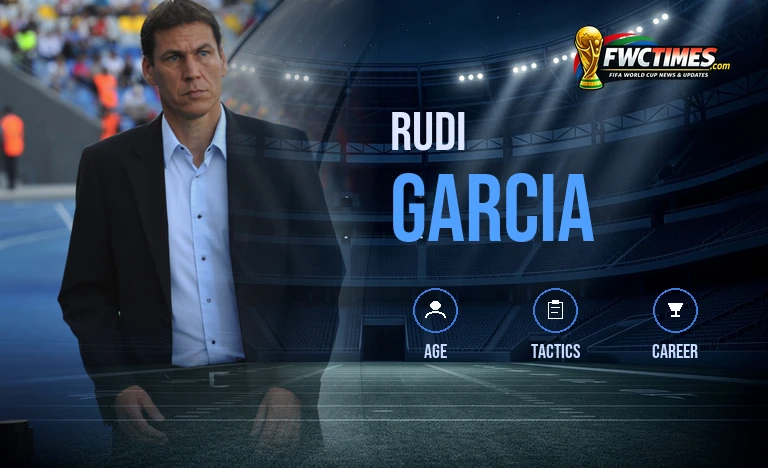
View coach profileRudi Garcia
Belgium head coach
View coach profileSergej Barbarez
Bosnia and Herzegovina head coach
View coach profileZlatko Dalic
Croatia head coach
View coach profileMiroslav Koubek
Czechia head coach
View coach profileThomas Tuchel
England head coach
View coach profileDidier Deschamps
France head coach
View coach profileJulian Nagelsmann
Germany head coach
View coach profileRonald Koeman
Netherlands head coach
View coach profileStale Solbakken
Norway head coach
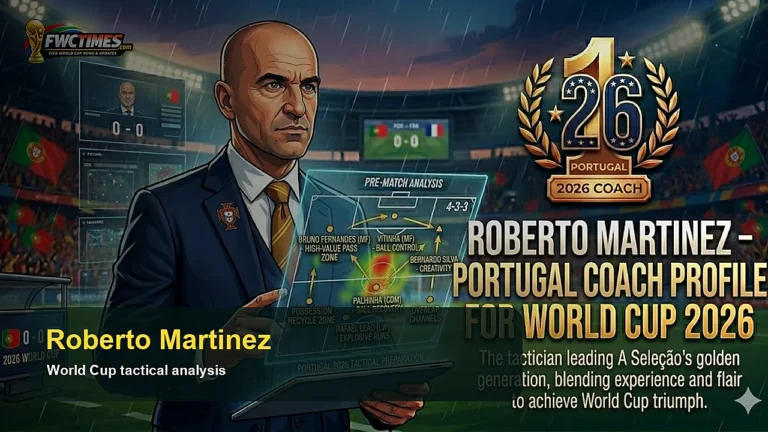
View coach profileRoberto Martinez
Portugal head coach
View coach profileSteve Clarke
Scotland head coach
View coach profileLuis de la Fuente
Spain head coach
View coach profileGraham Potter
Sweden head coach
View coach profileMurat Yakin
Switzerland head coach
View coach profileVincenzo Montella
Turkiye head coach
View coach profileCAF Coach Profiles
Africa arrives with defensive structure, late coaching changes, and several teams that believe a knockout place is realistic.
Vladimir Petkovic
Algeria head coach
View coach profileBubista
Cape Verde head coach
View coach profileSebastien Desabre
DR Congo head coach
View coach profileHossam Hassan
Egypt head coach
Carlos Queiroz
Ghana head coach
View coach profileEmerse Fae
Cote d’Ivoire head coach
View coach profileMohamed Ouahbi
Morocco head coach
View coach profilePape Thiaw
Senegal head coach
View coach profileHugo Broos
South Africa head coach
View coach profileSabri Lamouchi
Tunisia head coach
View coach profileAFC Coach Profiles
Asia brings a wide tactical spread, from compact transition teams to possession sides and two major late coaching changes.
Tony Popovic
Australia head coach
View coach profileAmir Ghalenoei
IR Iran head coach
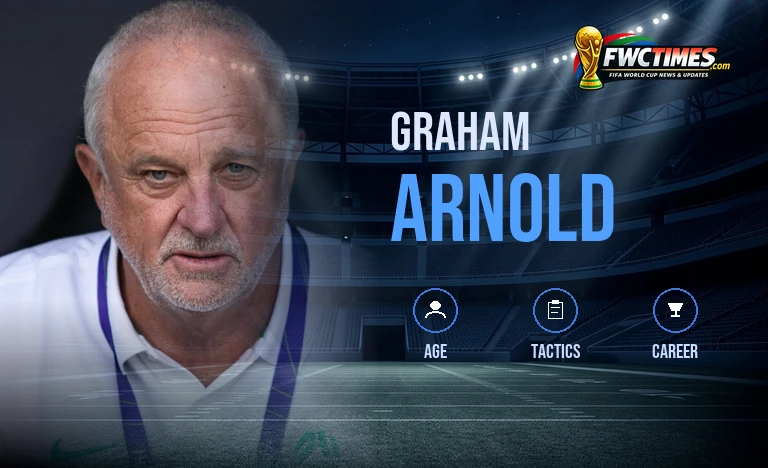
View coach profileGraham Arnold
Iraq head coach
View coach profileHajime Moriyasu
Japan head coach
View coach profileJamal Sellami
Jordan head coach
View coach profileJulen Lopetegui
Qatar head coach
View coach profileGeorgios Donis
Saudi Arabia head coach
View coach profileHong Myung-bo
Korea Republic head coach
View coach profileFabio Cannavaro
Uzbekistan head coach
View coach profileCONMEBOL Coach Profiles
South America still carries some of the strongest coaching reputations in the tournament, led by world champions and elite tacticians.
Lionel Scaloni
Argentina head coach
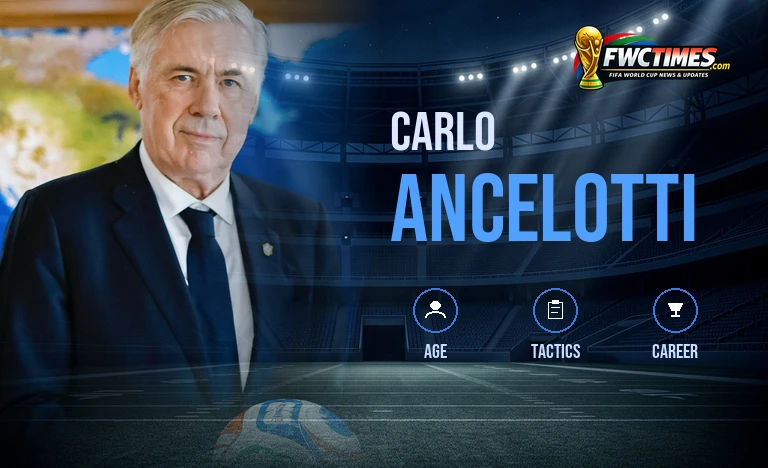
View coach profileCarlo Ancelotti
Brazil head coach
View coach profileNestor Lorenzo
Colombia head coach
View coach profileSebastian Beccacece
Ecuador head coach
View coach profileGustavo Alfaro
Paraguay head coach
View coach profileMarcelo Bielsa
Uruguay head coach
View coach profileCONCACAF Coach Profiles
North and Central America combine host-nation pressure, regional intensity, and coaches working under very different expectation levels.
Jesse Marsch
Canada head coach
View coach profileDick Advocaat
Curacao head coach
View coach profileSebastien Migne
Haiti head coach
View coach profileJavier Aguirre
Mexico head coach
View coach profileThomas Christiansen
Panama head coach
View coach profileMauricio Pochettino
USA head coach
View coach profileOFC Coach Profiles
Oceania has one representative, yet New Zealand bring a coach who knows this pathway better than almost anyone in the field.
Darren Bazeley
New Zealand head coach
View coach profileWhat Stands Out Across The 48 Coaches
The tournament brings a rare split between continuity and disruption. France, Argentina, Spain, and Switzerland kept trusted coaches in place, while Morocco, Saudi Arabia, and Tunisia made high-pressure changes close to the finals.
It also brings a strong mix of elite résumés and first-time national-team experiments. Fabio Cannavaro now handles Uzbekistan’s first World Cup, while Marcelo Bielsa, Carlo Ancelotti, and Didier Deschamps carry heavyweight tournament reputations into North America.
Use this hub with the team pages, coach profiles, and knockout-format guides together. That combination gives the clearest view of who is ready, who changed late, and which benches may shape the tournament most.
Frequently Asked Questions
These quick answers help fans move through the coaching field without digging through all 48 pages one by one. They also highlight the biggest pre-tournament coaching storylines.
How many World Cup 2026 manager profiles are live on FWCTimes?
All 48 head coach profiles are now live on FWCTimes.
The hub links every published coach page in one place, so fans can move team by team without searching manually.
Which coach changes were most important before World Cup 2026?
Saudi Arabia, Morocco, and Tunisia all made important late changes before the tournament.
Those moves matter because short preparation windows increase the value of tactical clarity and dressing-room trust.
Which confederation has the most coaches in the World Cup 2026 field?
UEFA has the biggest share of the coaching field with 16 head coaches in this hub.
CAF follows with 10, AFC with 9, CONMEBOL and CONCACAF with 6 each, and OFC with 1.
Where should fans start if they only want the biggest-name coaches first?
Start with the title contenders and the most experienced tournament benches such as Didier Deschamps, Lionel Scaloni, Julian Nagelsmann, Marcelo Bielsa, and Carlo Ancelotti.
Then move to the late-change profiles because those teams carry the most tactical uncertainty.
Conclusion
The World Cup 2026 manager picture is now fully live on FWCTimes. All 48 coach profiles are connected here, grouped by confederation, and aligned with the latest tournament reality.
If you want the clearest pre-tournament reading, start with the late changes, then move to the title-level benches and the debutant nations. Coaching decisions will shape this event as much as any front line.