World Cup 2026 Global Viewership: What to Expect

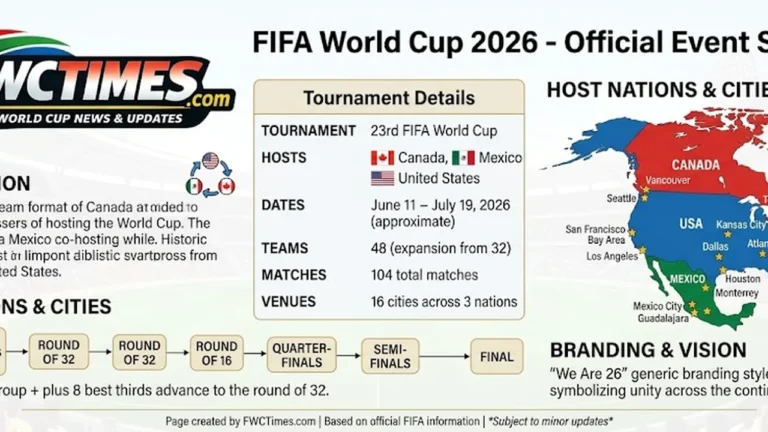
World Cup 2026 global viewership is projected to reach approximately 6 billion engagements. Up from the 5 billion recorded at the 2022 Qatar tournament and the expanded 48-team format produces 104 matches. Compared to 64 at the previous edition, giving broadcasters significantly more content and more commercial inventory. Hosting across the United States, Canada and and Mexico places the tournament in one of the world’s largest.
The 2022 final between Argentina and France drew approximately 1.5 billion live viewers. This Remains the largest single sports broadcast audience in recorded history. Analysts project that the 2026 final at MetLife Stadium in New Jersey could attract up to 1.8 billion viewers. Driven by the tournament’s summer scheduling and its base in North America.
Key Drivers Behind World Cup 2026 Global Viewership Growth
The expansion from 32 to 48 teams is the most direct driver of audience growth. Since it adds 16 new nations whose domestic fanbases tune in for every match. Nations including Cape Verde, Curaçao, Jordan. And Uzbekistan participate for the first time, each bringing a new national audience to the global broadcast pool.
North American hosting introduces another layer of audience opportunity that no previous World Cup possessed. Soccer’s growth in the USA has been consistent over the past decade. And A home tournament accelerates that trend sharply. Kick-off times suit European prime-time viewers far better than the Qatar 2022 schedule did in some regions.
| Metric | 2022 Qatar World Cup | 2026 World Cup (Projected) |
|---|---|---|
| Total global engagement | ~5 billion | ~6 billion |
| Final match viewership | ~1.5 billion | ~1.8 billion |
| Number of teams | 32 | 48 |
| Total matches | 64 | 104 |
| Host countries | 1 (Qatar) | 3 (Canada, Mexico, USA) |
Expected Commercial Impact of Record Viewership
Projected viewership at this scale reshapes the commercial economics of the entire tournament. Broadcasting rights revenues for the 2026 edition are tracking toward levels well above any previous World Cup. Since networks paid significantly more to secure access to 104 matches across a prime North American summer window. Sponsors pay for access to the global audience.
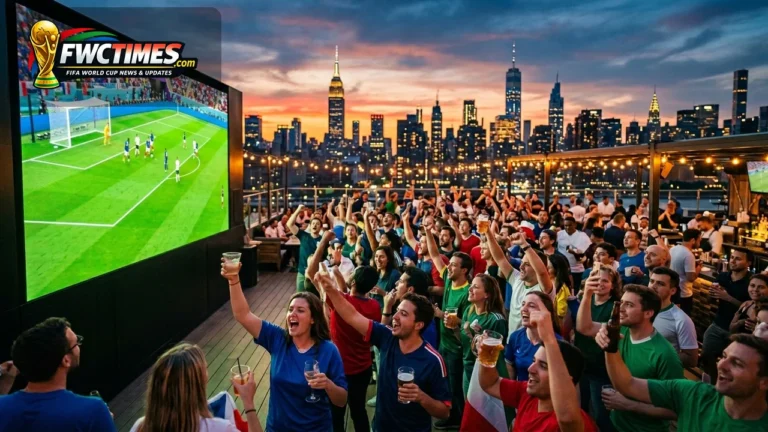
Fan festivals, outdoor screenings and and Public viewing events across North America are expected to add. Tens of millions of additional engagements on top of home TV figures and retailers, food and beverage companies. And Consumer electronics brands are investing in World Cup activations. Since the summer timing aligns with peak shopping and leisure spending.
Tactical Role of World Cup 2026 Global Viewership
Streaming platforms and social media now contribute a growing share of. Total viewership that was not captured in older audience measurement systems. The 2022 Qatar tournament saw a significant shift toward digital consumption, with platforms like TikTok, YouTube. And Broadcaster apps driving real-time engagement alongside traditional TV and as a result.
Younger viewers who follow football primarily through phones and tablets. Represent one of the fastest-growing segments of the global audience. Official broadcaster apps in territories like the UK (BBC iPlayer, ITVX), USA (FOX Sports, Peacock). And Japan (DAZN) are designed to handle peak concurrent streams during knockout matches.
Frequently Asked Questions
How many people are expected to watch World Cup 2026?
FIFA and media analysts project total global engagement of approximately 6 billion for the 2026 World Cup. This figure covers traditional TV viewership, streaming, radio, and digital content consumption across all 104 matches. The 2022 Qatar tournament recorded around 5 billion total engagements, so 2026 represents a projected increase of roughly 20%. The expanded 48-team format, more matches, and North American hosting are the primary factors driving that growth estimate.
What was the viewership record set at the 2022 World Cup?
The 2022 FIFA World Cup in Qatar attracted approximately 5 billion total engagements across the tournament. The final between Argentina and France drew around 1.5 billion live viewers. Making it the most-watched sports broadcast in recorded history at that point. FIFA confirmed these figures through official auditing after the tournament concluded.
Why does the 48-team format increase viewership?
The expansion from 32 to 48 teams adds 16 new national fanbases. Who tune in to watch their country compete on the world stage. More teams mean more group-stage matches with genuine stakes. This Keeps global audiences engaged throughout the opening round rather than losing interest after their national team is eliminated.
Does hosting in North America boost World Cup viewership?
Yes, hosting across the United States, Canada. And Mexico places the tournament in one of the world’s largest sports media markets. Soccer’s growing popularity in the USA, Canada and and Among Latino communities throughout North America adds millions. Viewers who did not have a home tournament to follow until 2026.
When will official viewership figures for World Cup 2026 be published?
Official confirmed viewership figures are published several months after the tournament concludes, following independent audience measurement and auditing. FIFA works with accredited research firms to compile and verify data across all territories. Since counting methodologies differ significantly between linear TV, streaming and and Social media. Preliminary regional ratings from individual broadcasters tend to appear within days of each major match.
Why the 2026 Audience Numbers Will Matter Beyond Football
A 6 billion engagement figure does not just set a sports. Record — it signals where global media consumption stands in 2026 and television, streaming, social media. And Radio audiences are counted together in ways that reflect how people follow events today. Rather than how they watched in 2002 or even 2014 and brands, broadcasters.
Fans watching the tournament live at home or in public spaces also contribute to. The shared cultural experience that makes the World Cup unique among global sporting events. Public screenings across USA cities and fan zones near the 16 host-city. Stadiums will add millions of experiences that never appear in official broadcast ratings and after all.