Complete Guide to the World Cup 2026 for Kids

Young soccer fans are getting ready for the biggest sports tournament on the planet. The upcoming matches will bring incredible excitement to families across North America. In fact, this guide will introduce the World Cup 2026 for kids in a fun way. Parents can follow the matches with their children to build wonderful family memories.
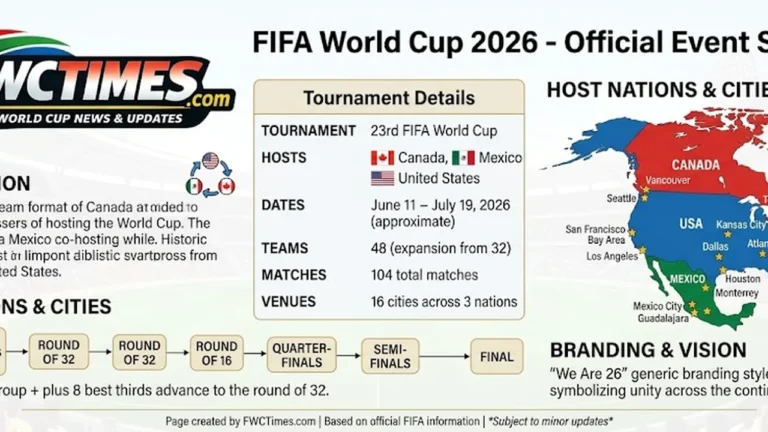
The giant tournament features forty-eight countries playing matches in three host nations. Kids will see matches happening in Canada, Mexico, and the United States. So, families can learn about different countries while watching the games. You can check our homepage to track the full FIFA World Cup 2026 schedule.
Meeting the Mascots of the World Cup 2026 for kids
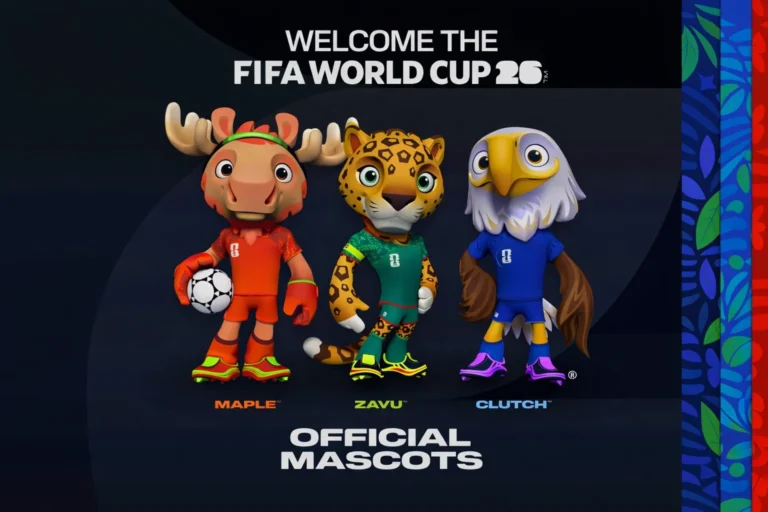
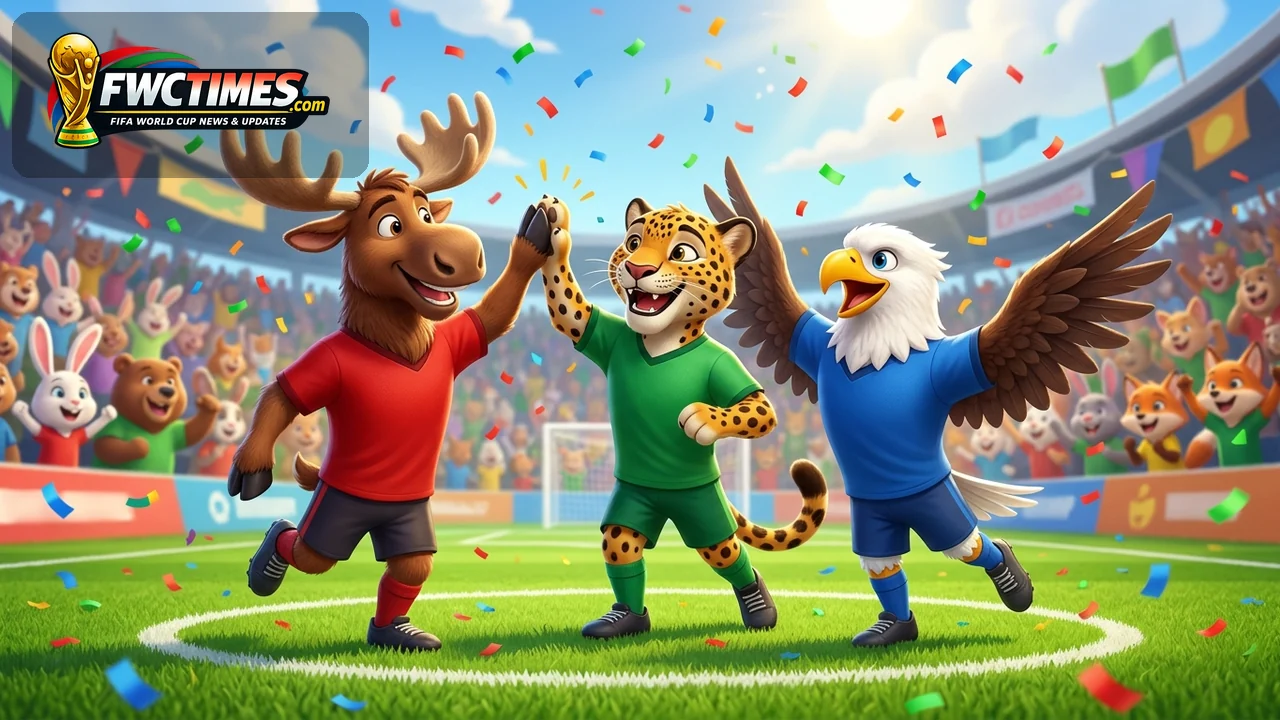
Young supporters will love the three official tournament mascots designed for the event. Each host country has a special character representing its unique wildlife. On top of that, these characters will appear at stadiums and fan festivals. Fans can buy mascot toys and gear at the stadium shops.
Canada features Maple the Moose who wears goalkeeper gloves and loves soccer. Mexico presents Zayu the Jaguar who shows off fast dribbling skills on the field. The United States introduces Clutch the Bald Eagle who plays as an adventurous midfielder. Kids can follow these fun characters during the pre-match television broadcasts.
Mascot Activities in the World Cup 2026 for kids
Children can download free coloring pages featuring Maple, Zayu, and Clutch. Families can design custom team jerseys using their favorite mascot colors. Since coloring is a creative activity, it keeps kids engaged between the matchdays. Schools can also use these characters to teach basic geography lessons.
Simple Rules of Soccer for Children
Soccer is an easy game to understand once you know the basics. Two teams try to kick the ball into the opponent’s net to score. The team that scores more goals wins the match. Kids can play mini-games in the backyard to practice their kicking skills.
Players cannot touch the soccer ball with their hands during active play. Only the goalkeeper can use their hands inside the penalty area. As a result, outfield players must control the ball using their feet and heads. Each match consists of two halves lasting forty-five minutes each.
| What to Learn | Simple Idea | Why It Helps |
|---|---|---|
| Host countries | Canada, Mexico, United States | Helps kids place the tournament on a map |
| Tournament size | 48 teams and 104 matches | Shows why the event lasts so long |
| Group stage | Three matches per team | Keeps the first round easy to understand |
| Knockout stage | Lose and go home | Explains why later matches feel tense |
| Stadiums | Different cities across North America | Makes travel and venue talk easier |
| Final | One last match for the trophy | Gives the story a clear ending |
Family Friendly Viewing Tips
Watching matches live can be difficult for younger children with early bedtimes. Parents can show recorded highlights the next morning instead. In fact, these short recaps keep the experience fun without causing fatigue. Kids will love watching highlights of teams like Germany or Argentina scoring goals.
Preparing special soccer-themed snacks makes the matchday feel like a party. Families can dress up in team colors to support their players. So, these small traditions build lasting memories for young sports fans. You can paint small flags on children’s cheeks for extra excitement.
Frequently Asked Questions
What is the World Cup 2026 for kids?
It is a kid-friendly guide to the upcoming soccer tournament. The tournament features forty-eight teams playing across North America. Kids can enjoy learning about different countries through soccer. Families can follow the matches together at home.
Who are the official tournament mascots?
The mascots are Maple the Moose, Zayu the Jaguar, and Clutch the Bald Eagle. Each character represents one of the host countries. They will appear at matches and fan events.
How many matches will the teams play?
The teams will play a total of one hundred and four matches. Each country plays three games in the group stage. Winning teams then advance to the knockout rounds.
Can kids play mascot-themed games at home?
Yes, families can download mascot coloring sheets and activity packs. Children can also create custom team flags using simple art supplies. These crafts make matchdays more interactive for kids.
What is the best way for families to watch the games?
Families should select a few major matches to watch together. Watching morning highlights works well for younger kids with early bedtimes. Dressing in team colors adds extra fun to matchday.
Conclusion
The upcoming soccer tournament offers a unique opportunity for family bonding. Children will discover the joy of global sportsmanship through the games. Since kids love active play, the tournament will inspire backyard matches. Let us enjoy the soccer festival together as a family.
Parents should establish fun matchday routines with their children. That said, keeping the experience positive and stress-free is key. You can find more kid-friendly resources on our website daily. Let the games begin and let us celebrate together.