World Cup All-Time Table Shows Brazil Lead And USA Rise


World Cup All-Time Table interest has returned after the 2026 group stage changed several national totals. Brazil still sit first in the historical ranking, with Germany second and Argentina third. France, England and Spain remain near the top group. The United States, Morocco and Canada have also gained ground during the North American tournament.
The ranking uses three points for a win, one for a draw and zero for a loss across World Cup history. The FIFA World Cup 2026 expansion has given more teams a chance to add matches and points. That helps nations outside the traditional powers climb faster. It also gives fans a wider way to compare tournament history.
Brazil And Germany Still Set The Historical Standard
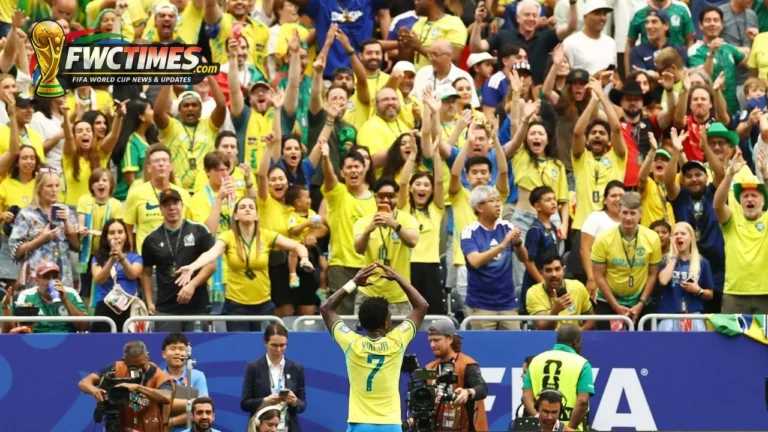
Brazil remain the benchmark because five titles and decades of consistent deep runs create a lead that one tournament cannot erase. Their all-time total sits ahead of Germany, who still benefit from West Germany’s historic record. The gap reflects both trophies and match volume. Long World Cup stays matter as much as single golden generations.

Germany remain second despite recent tournament pain. Their early exits in 2018 and 2022 slowed the climb, but older success keeps them close to Brazil. Argentina moved above Italy after the 2022 title. France have surged across the modern era with two titles and two runner-up finishes since 1998.
England’s position is strong, but it also shows the difference between history and trophies. They sit high because of repeated participation and knockout appearances. Spain remain behind some rivals despite winning in 2010. World Cup history rewards long-term accumulation, not only peak moments.
Penalty shootout results are usually counted as draws in these statistical tables. That matters because knockout history can look different from trophy history. A team can advance and still receive one point in the table. Fans need that detail before comparing totals.
USA, Morocco And Canada Gain Ground In 2026
United States movement matters because the co-hosts have added group-stage points at home. A strong 2026 run can push them into a higher historical bracket. The U.S. have appeared across several eras, but home form gives the current rise more visibility. Supporters now see table movement alongside match results.
Morocco continue to build on their 2022 semi-final breakthrough. Their 2026 group-stage work adds more credibility to a record that once looked modest. African teams also gained more chances through the expanded format. That can reshape the all-time table over future tournaments.
Canada’s rise starts from a much lower base, which makes each point feel larger. Their first World Cup points and knockout progress change how their history reads. The table still favors older powers, but new hosts can move quickly when they win. That is one effect of a 48-team tournament.
Fans using the World Cup 2026 schedule can track how knockout wins affect these rankings. Every win now changes both bracket position and historical totals. A country’s all-time table movement becomes another layer of tournament meaning. It turns each match into a record update.
| Rank Signal | All-Time Table Position |
|---|---|
| Brazil | 1st with the strongest historical World Cup total |
| Germany | 2nd when West Germany results are included |
| Argentina | 3rd after moving above Italy |
| England | High historical ranking despite one title |
The table also explains why debates about greatness need categories. Trophies measure peak achievement, while all-time points measure repeated World Cup performance. Brazil lead both discussions more often than most countries. England and Spain show how those debates can split.
The 2026 format will affect future tables more than older tournaments did. More matches create more points, especially for countries that reach the last 32. That does not cheapen older records, but it changes the pace of movement. Rankings will become more fluid in the expanded era.
The United States and Morocco are the teams to watch in this historical layer. Both have live tournament momentum and room to climb. Canada also carry a fresh record story. Their next results can change how their World Cup past is read.
Frequently Asked Questions
Brazil still own the historical table, but the expanded World Cup is giving newer challengers room to move.
Stay tuned to FWCTimes.com for the latest FIFA World Cup 2026 updates.
Read Also: Paul Scholes England Midfield Call Puts Declan Rice Under Spotlight