Toronto Police Readiness Review Sharpens World Cup Security Focus

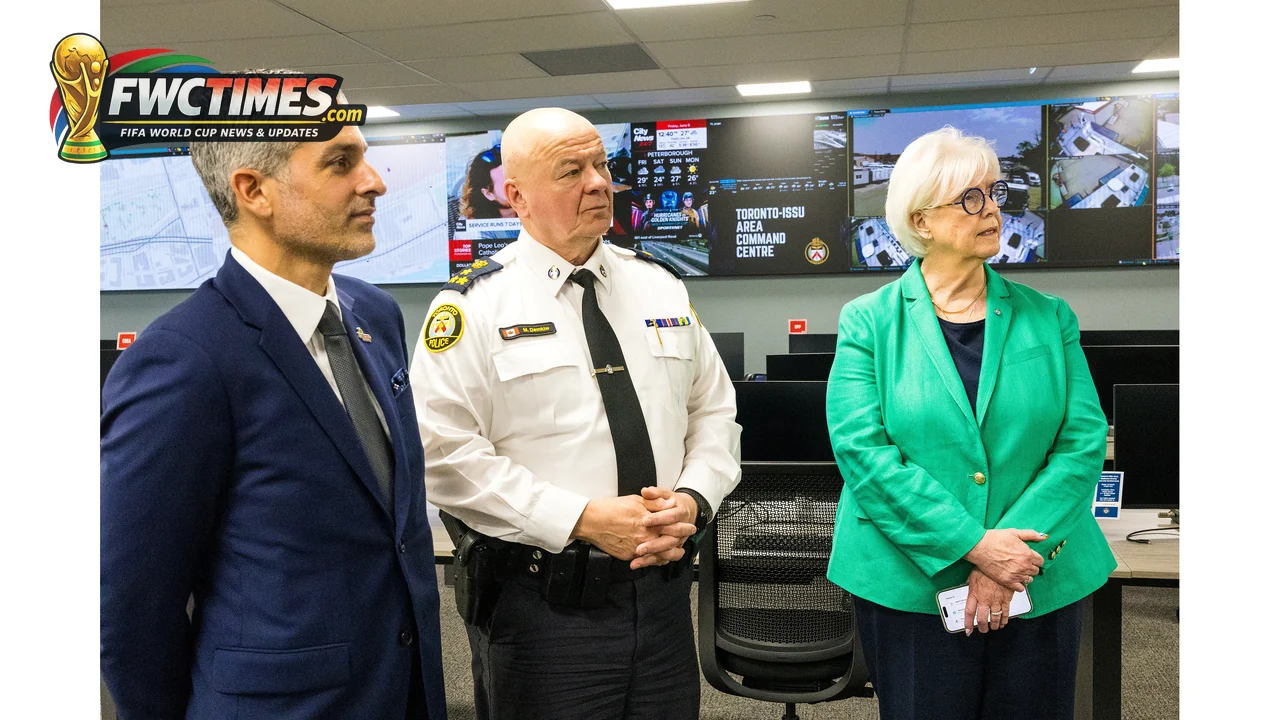
Toronto Police World Cup readiness is now under a sharper provincial lens. Ontario’s inspector general of policing received a formal briefing from board chair Shelley Carroll and chief Myron Demkiw on June 5. The move puts external oversight on the city’s security planning just days before the first major crowds begin to build. It also tells locals that host-city readiness is being checked above the usual command chain.
The timing matters because Toronto is already carrying multiple World Cup workstreams at once. Public programming, transport strain and visitor management all sit beside safety planning now. The broader World Cup 2026 push gives the city global attention, yet that attention also raises the cost of a weak security rollout. Toronto’s planners now need proof of readiness, not only promises.
What The Ontario Review Actually Adds To Toronto’s Plan
The inspector general was not brought in for symbolism alone. Ryan Teschner was briefed on Toronto Police Service preparedness and also toured the Toronto-Integrated Safety and Security Unit Area Command Centre. That means the review reached both governance and operations. The province wanted eyes on the machinery, not just the messaging.
The review also connects with cost and capacity debates already sitting around the Canada build-up. Toronto’s spending pressures have already been part of the wider Canada World Cup cost forecast discussion. Security is one of the fastest areas for budgets to swell late. A live oversight process can help justify those decisions or expose weak planning.
The inspectorate has reportedly been engaging with the service and the police board since early 2026. That is important because event security is not a one-week sprint. It is a long preparation process involving crowd management, intelligence sharing, route planning, emergency response and communications discipline. The public briefing shows that the monitoring phase has now become visible.
The city also has to manage the softer side of the event. Toronto’s entertainment and ceremony planning already pushed the spotlight onto civic presentation in the Toronto opening ceremony performers rollout. Security teams must protect that atmosphere without strangling it. The best major-event policing is present, calm and rarely becomes the main story.
Why Security Readiness Matters Beyond Matchday Patrols
Most supporters think about police readiness as a stadium issue first. In reality, the harder work often happens well outside the ground. Public squares, transit corridors, unofficial viewing areas and late-night crowd dispersal all test a host city more than one fixed checkpoint does. Toronto needs a system that moves across the full day, not only around kickoff.
The city also has to manage fraud, petty crime and crowd opportunism. Earlier enforcement stories around counterfeit merchandise showed how quickly major tournaments attract a secondary market. That makes prevention part of readiness as well. A police plan that only thinks about the stadium misses how the event spreads through the city.
There is also a trust dimension here. Residents need to feel protected without being treated as an inconvenience inside their own neighborhoods. Visitors need clear messaging, quick routing and visible help points. External monitoring can support that balance if it keeps agencies honest about what is ready and what still needs work.
The deeper point is simple. Toronto is not preparing for one match. It is preparing for a month of elevated movement, intense visibility and layered public events. That scale makes readiness reviews more than a bureaucratic exercise.
| Readiness Point | Confirmed Update |
|---|---|
| Provincial oversight | Ontario’s inspector general received a June 5 briefing |
| Operational review | Tour included the Area Command Centre |
| Key local figures | Shelley Carroll and Chief Myron Demkiw led the briefing |
| Strategic aim | Monitor safety and security preparation before World Cup crowds arrive |
The table makes the oversight chain clear, but the real issue is delivery. Toronto now has public proof that planning is being watched closely. That can build confidence if the system performs. It can also raise the political cost of late failures.
Security stories often sound dry until the first crowd bottleneck or transport disruption arrives. Toronto wants to avoid reaching that point. A visible review process gives the city a chance to tighten weak spots before the opening rush. That is what good host-city management should look like.
Toronto still has to execute the plan on the street. Yet this review shows the city is no longer operating on private assurances alone. The final stretch now comes with public scrutiny attached.
Frequently Asked Questions
Toronto’s planners now have less room to hide weak spots. The city is moving into its final security stretch with outside scrutiny already switched on.
Stay tuned to FWCTimes.com for the latest FIFA World Cup 2026 updates.
Read Also: World Cup Fan Events Spread Across Host Cities In Record Footprint