World Cup Fan Events Spread Across Host Cities In Record Footprint

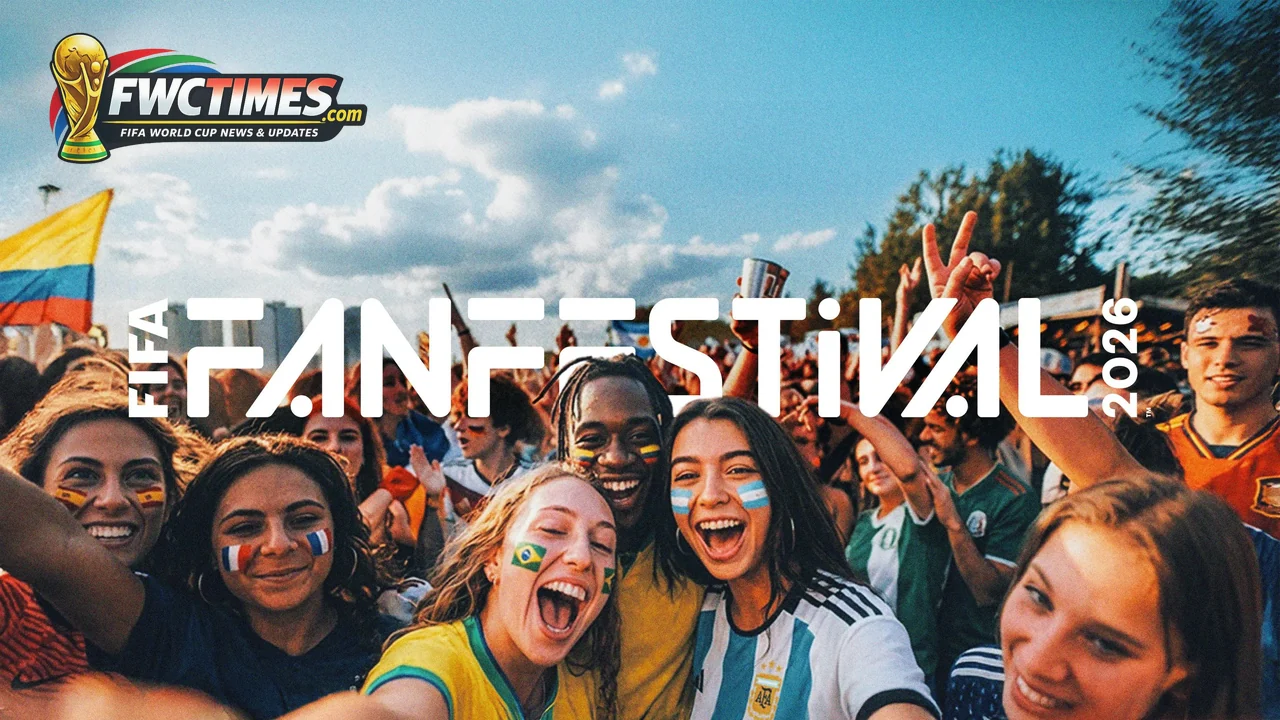
World Cup fan events host cities plans now reach a scale FIFA has not used before. Organizers confirmed 13 official Fan Festival sites plus extra city-run events across the United States, Canada and Mexico. The public footprint stretches close to 4,000 kilometres, so the tournament will live well beyond match tickets. That matters because the FIFA World Cup 2026 wants full-street visibility, not only full stadiums.
The detail behind the announcement is strong. Giant match screens, live music, cultural programming, sponsor activations and retail sites will sit inside a broader public calendar. Some cities will run long festival windows, while others will cluster around specific match periods. The result is a far wider street-level tournament than past editions could stage.
What FIFA Actually Confirmed Across The Three Host Countries
The official number is the key starting point. FIFA has confirmed 13 Fan Festival locations, which is the largest spread the tournament has carried under one public-event umbrella. That expands the event model from one or two flagship sites into a continental network. Fans without seats can still enter the tournament’s daily rhythm in a meaningful way.
Some host cities had already started showing their plans. Toronto tied major cultural programming into its wider build-up in the Toronto opening ceremony lineup story. Los Angeles confirmed a shorter, more concentrated public plan around the Coliseum in its own Los Angeles free fan events rollout. Those local details now sit inside a bigger FIFA map.
The important shift is geographic reach. FIFA is not treating public viewing as a side attraction. It is using city centres, iconic parks and cultural districts to create a second layer of tournament experience. That means fans can follow the competition through atmosphere, music and community programming even when they never pass a stadium gate.
Ticket demand explains part of that push as well. Plenty of supporters will travel without match access, especially once the World Cup tickets market tightens around the biggest fixtures. Fan events give those visitors an official destination instead of leaving the whole overflow market to bars and resale chaos. That improves crowd control and lifts the wider festival feel.
Why The Record Footprint Could Shape The Mood Of The Tournament
A bigger public map can change how the World Cup feels day to day. Earlier tournaments often concentrated civic energy in one main venue and a small number of sponsor spaces. This edition can spread that energy across multiple districts and dates. The tournament becomes easier to see, hear and join.
That reach also helps host cities show more of their local identity. A park festival in Boston does not need to feel like a plaza event in Mexico City or a waterfront build in Toronto. FIFA gets one common framework, yet each host still has room to sound like itself. That should make the overall experience feel less copied and more rooted.
The same logic explains why local buzz stories matter. Philadelphia has already shown how non-ticketed football culture can build around bars and neighborhoods in the Philadelphia fan buzz piece. A city that already has a live fan scene can use the official event layer to sharpen it. The best host cities will probably be the ones that connect both worlds well.
There is still an operational challenge under the surface. A record footprint means more crowd movement, more staffing demands and more pressure on weather, transport and security planning. Yet the upside is obvious. If the sites run cleanly, the 2026 World Cup can feel present across whole cities, not only inside one venue bowl.
| Public Event Detail | Confirmed Position |
|---|---|
| Official Fan Festival sites | 13 |
| Geographic spread | Nearly 4,000 kilometres across three host countries |
| Core features | Live match screens, music, culture, sponsor activations and retail |
| Purpose | Give host cities a public tournament layer beyond match tickets |
The number 13 is not just a scheduling fact. It shows FIFA wants the 2026 event to be seen in public squares and parks every day. That fits a 48-team tournament that cannot live on stadium traffic alone. The public layer has to be strong enough to carry its own identity.
The host cities that connect transport, culture and free access best will likely win the atmosphere battle. Fans remember where a tournament felt alive between matches. They also remember where public plans felt thin or confusing. This rollout gives cities the chance to define themselves early.
So the story is bigger than festival dates. FIFA has expanded the tournament’s public footprint on purpose. The success of that choice may shape how people remember North America’s World Cup long after the final.
Frequently Asked Questions
The 2026 event is no longer only a stadium story. FIFA has built a public map large enough to make whole host cities feel part of the tournament.
Stay tuned to FWCTimes.com for the latest FIFA World Cup 2026 updates.
Read Also: Jurrien Timber Out Of Netherlands Squad As Geertruida Joins