Argentina’s Reach Extends Across Five Other World Cup Squads

Argentina will defend the World Cup, yet the country will also shape the tournament through players wearing other shirts. The fresh list of Argentina-born names includes attackers, a goalkeeper and midfielders spread across several squads. That makes birthplace part of the tournament story, not just the squad list. It also shows how far Argentina’s football footprint extends beyond Argentina itself.
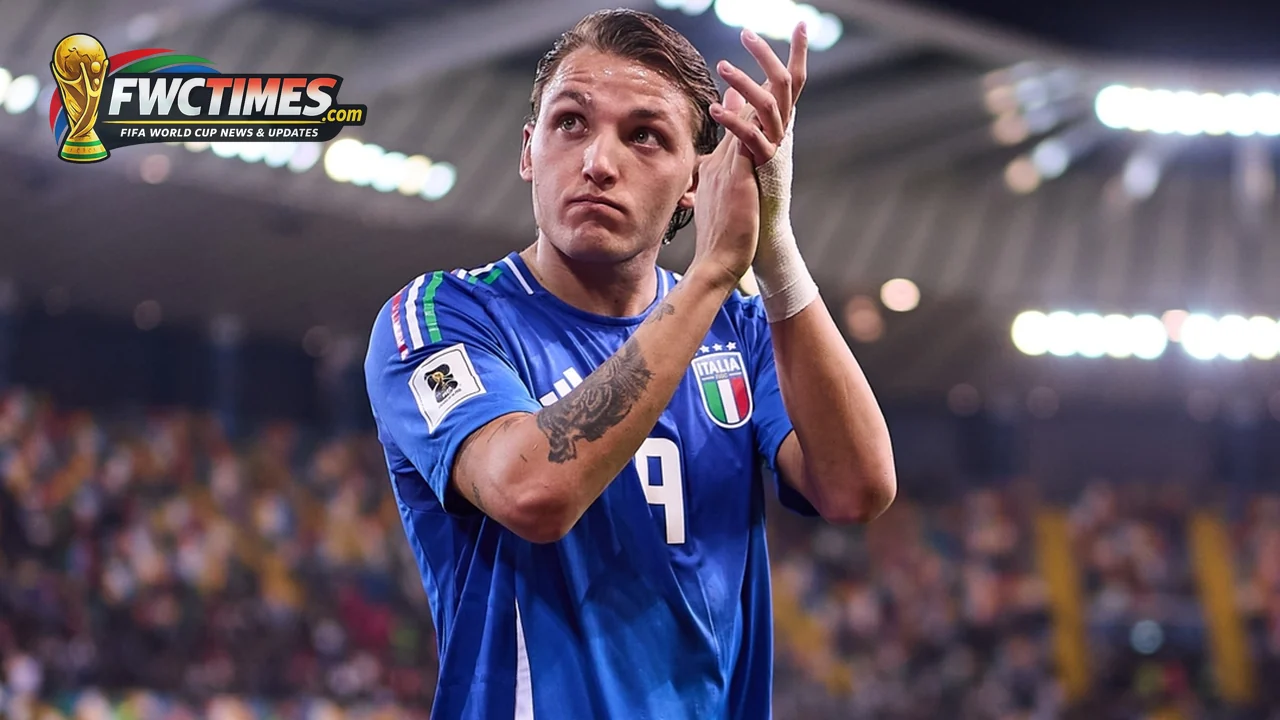
The most visible names include Mateo Retegui with Italy, Luka Romero with Mexico, Gabriel Arias with Chile and two Syria internationals in Ezequiel Ham and Ibrahim Hesar. Héctor Cuéllar also arrives with Bolivia after a different national-team path. None of those cases are identical. Together, they show how dual nationality, migration and family ties are shaping the 2026 field alongside the main FIFA World Cup 2026 story.
Why Argentina Shows Up Under Other Flags
The pattern starts with opportunity, but it does not end there. Some players grew up in Argentina and later chose another international path through family links. Others moved young, developed elsewhere and found a clearer route to the World Cup away from the Albiceleste. The result is one football culture feeding multiple squads.
Mateo Retegui is the clearest high-profile example in this group. Born in San Fernando, he was long viewed as one of Argentina’s notable attacking prospects before accepting Italy’s call in 2023 through family heritage. He now enters the World Cup as part of Italy’s frontline rather than Argentina’s wider talent pool.
Luka Romero’s case moves in another direction. The article frames him as a player with Argentina youth ties whose international route changed and now points toward Mexico’s project for 2026. That makes him one of the more intriguing names inside the host nation’s squad build. It also gives Mexico another attacking storyline that sits outside the standard domestic development path.
The same wider logic appears again with Gabriel Arias, Héctor Cuéllar, Ezequiel Ham and Ibrahim Hesar. They share Argentine birthplaces, yet their national-team journeys now sit with Chile, Bolivia and Syria. That means Argentina’s football identity will appear in several different tactical environments once the group stage opens.
What These Cases Say About The 2026 Tournament
The 48-team format has widened more than the bracket. It has also widened the number of identity stories that reach the finals. Players can now arrive through family heritage, migration routes and competitive opportunities that might not have led to a World Cup place in earlier formats. That is one quiet effect of expansion.
The story also underlines why squad research matters. A birthplace line in a squad card can carry far more football history than it first appears to hold. These players are not side notes. They are part of how several nations plan to compete. Expansion has simply made those cross-border paths easier to see.
Retegui’s presence strengthens Italy football TV schedule interest, while Arias brings experience into Chile football TV schedule coverage and Syria carry two Argentine-born stories through Ham and Hesar. Even when the linked page on FWCTimes is a schedule page rather than a full team profile, it still shows how the tournament conversation has to stretch across nations that share talent histories. One country’s development story no longer stays inside one badge.
Argentina will still be judged first on its title defence. Yet the country’s indirect presence adds another layer to how this World Cup will feel once the matches begin. Birthplace is only one part of a football career, but in 2026 it will connect several squads that look unrelated on first glance. That makes this more than a trivia angle.
| Player | Birthplace Link | 2026 World Cup Team |
|---|---|---|
| Mateo Retegui | Born in San Fernando, Buenos Aires Province | Italy |
| Luka Romero | Argentina youth ties before national-team switch | Mexico |
| Gabriel Arias | Born in Neuquen, Argentina | Chile |
| Hector Cuellar | Born in Argentina | Bolivia |
| Ezequiel Ham | Born in Buenos Aires | Syria |
| Ibrahim Hesar | Born in Villa Ascasubi, Cordoba | Syria |
These names also show why squad identity can never be reduced to one flag on a tournament graphic. Family history, migration and career opportunity now shape more teams than ever. The World Cup has always held that mix, but the 2026 edition makes it easier to see. More teams mean more crossover stories.
Argentina’s indirect presence also adds texture for host-nation coverage. A player such as Romero does not only represent Mexico. He also brings a football education and youth background that connect back to Argentina, so each appearance can open a wider debate about development and choice. The same applies when fans follow Syria or Bolivia through their own tournament schedule pages.
That is why this feature matters on opening week. It helps explain a part of the tournament that standard squad tables often hide. Some of the most interesting World Cup stories start long before the first cap. They begin with the routes players take to decide who they represent.
Frequently Asked Questions
Argentina will defend the trophy on its own terms, but its football influence will also surface in several rival dressing rooms.
Stay tuned to FWCTimes.com for the latest FIFA World Cup 2026 updates.
Read Also: FIFA World Cup Squads Confirm 1,248 Players