FIFA World Cup Squads Confirm 1,248 Players

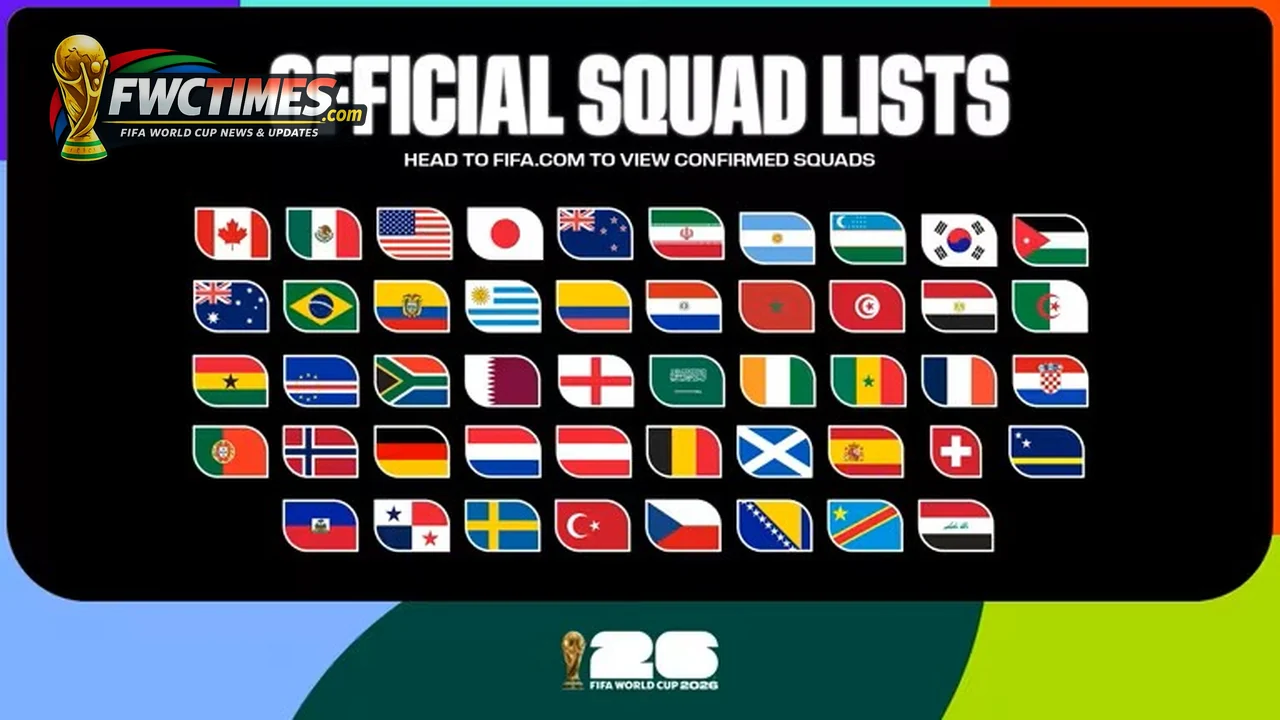
FIFA World Cup squads are now confirmed with 1,248 players across all 48 teams. The expanded tournament has moved from provisional talk to final roster reality. Each squad can carry up to 26 players into the competition. The FIFA World Cup 2026 opens on June 11 across the United States, Mexico and Canada.
The final lists create the largest player pool in World Cup history. They also set the injury-replacement rules that teams must now follow. FIFA allows squad changes only for serious injury or illness before a team’s first match. Any replacement must satisfy the tournament’s approval process.
Record Squad Size Sets The Tournament Baseline
The 48-team format has changed the scale of roster management. A total of 1,248 players gives coaches more depth, but it also creates harder selection questions. Every national team has now moved from planning to execution. The next changes can only come through approved replacement rules.
Supporters can track team-by-team movement through the full World Cup teams lineup. That matters because final squads shape likely lineups, set-piece roles and bench decisions. A 26-man roster gives coaches more late-game tools. It also makes matchday omissions more painful for players.
FIFA’s final squad publication also confirms the age range of the tournament. Scotland goalkeeper Craig Gordon is listed as the oldest player at 43 years and 162 days. Mexico’s Gilberto Mora is the youngest at 17 years and 240 days. That creates a gap of more than 25 years between two registered players.
Gordon’s selection adds another storyline to Scotland squad and fixtures. Veteran goalkeepers can bring calm in tournament camps. They also give coaching staffs another voice during pressure weeks. Scotland now carry that experience into a larger 48-team field.
Messi, Ronaldo And Ochoa Chase Sixth World Cup Appearances
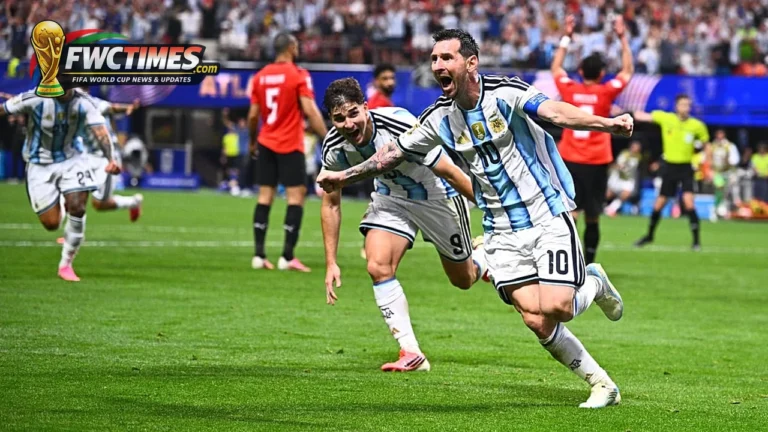
The final lists include three famous sixth-appearance storylines. Argentina squad and fixtures captain Lionel Messi has been selected again after lifting the trophy in 2022. Cristiano Ronaldo is also in Portugal’s squad. Mexico goalkeeper Guillermo Ochoa joins them in chasing rare tournament longevity.
Portugal’s selection keeps Portugal squad and fixtures tied to another Ronaldo milestone. The forward has played in every World Cup since 2006. A sixth appearance would separate him from most of the sport’s great tournament careers. It would also extend one of football’s longest international story arcs.
Mexico’s youngest and oldest squad questions carry different pressure. Mora gives Mexico squad and fixtures a teenage storyline before the opening match. Ochoa gives the hosts an experience storyline in goal. That mix shows why larger squads can carry future planning and immediate responsibility together.
The returning-player count also shows continuity. FIFA’s confirmed pool includes 357 players who have appeared at a previous World Cup. The other 891 are preparing for their first tournament experience. That split makes the 2026 edition both familiar and heavily renewed.
Clubs From 71 Countries Are Represented
The player pool reaches 449 clubs from 71 countries. That number shows how far the tournament’s economic and scouting impact now stretches. European clubs still hold major representation, yet the list also covers Asia, Africa, Concacaf, South America and Oceania. The global spread supports the logic behind expanded club compensation.
Some squads remain almost fully domestic. Qatar and Saudi Arabia each list 25 domestic-based players in their 26-man groups. Other teams have gone the opposite way. Cape Verde, DR Congo, Côte d’Ivoire, Curaçao, Senegal and Uruguay have squads made entirely of overseas-based players.
The final player lists also confirm four debut nations. Cape Verde, Curaçao, Jordan and Uzbekistan will appear at a men’s World Cup for the first time. Their inclusion gives the expanded tournament a clear competitive purpose. New countries now carry their domestic football stories into the main draw.
The replacement rule now becomes one of the most important administrative details. Teams may replace a player only because of serious injury or illness before their first match. That rule protects squad integrity after final submission. It also forces medical teams to make fast, documented decisions if late problems appear.
| Squad Detail | Confirmed Update |
|---|---|
| Teams | 48 |
| Total Players | 1,248 |
| Players With Previous World Cup Experience | 357 |
| First-Time World Cup Players | 891 |
| Clubs Represented | 449 clubs from 71 countries |
| Youngest Player | Gilberto Mora, Mexico, 17 years and 240 days |
| Oldest Player | Craig Gordon, Scotland, 43 years and 162 days |
The numbers also help explain why squad depth may decide more matches than before. A longer tournament with 104 matches creates greater physical demand. Coaches can use deeper benches, but they still need clear role definitions. Final squads do not solve those decisions by themselves.
First-time World Cup players will carry a different load from veterans. Some will treat the tournament as a career launch. Others may face their first senior-pressure minutes in front of global audiences. That creates selection risk, especially when teams need late goals or penalty depth.
The final lists bring clarity, but they do not end squad news. Injury replacements can still happen until 24 hours before a team’s first match. After that, teams must live with their registered group unless FIFA approves an exceptional change. The next few days now belong to medical checks, training rhythm and lineup decisions.
Frequently Asked Questions
The final squads give the tournament its competitive shape and leave only medical exceptions open before kickoff.
Stay tuned to FWCTimes.com for the latest FIFA World Cup 2026 updates.
Read Also: Tanzania Clubs In FIFA Cash Boost Before World Cup