Libero in Football Position History and Tactics

Defensive roles in soccer have changed significantly since the early tactical formations emerged. The FIFA World Cup 2026 will showcase modern variations of these systems. The libero in football represents one of the most unique positions in sports history. This article covers the history, duties, and modern evolution of this classic role.
Classic sweepers provided extra protection behind the main defensive line. You must understand how these players influenced modern tactical systems. Composure and technical skill were required to perform this duty. Today, the concept continues to influence the way teams build attacks.
Tactical Duties of the Libero in Football
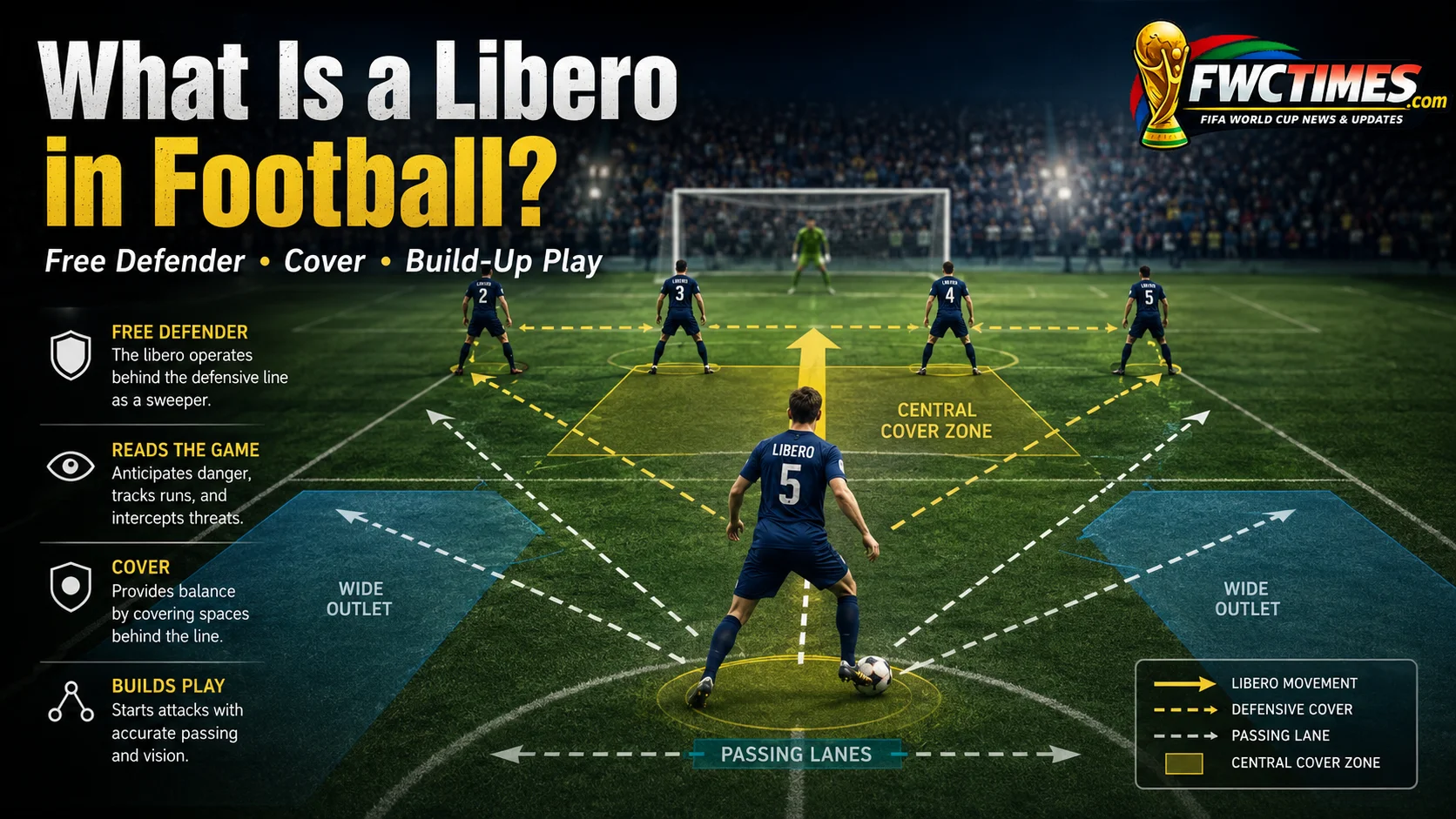
A libero plays as a free defender behind or within the main line. This player does not have a specific opponent to mark during matches. Instead, they scan the pitch to identify open spaces and cover defensive errors. This tactical freedom helps protect the goalkeeper from direct central attacks.
The libero must read the game quickly to make successful clearances. They collect loose balls and intercept passes before strikers can reach them. This anticipation is more important than raw physical strength during defensive duels. Safe positioning remains the primary duty of this deep player.
The Classical History of the Libero in Football
The role became highly popular during the rise of Italian catenaccio systems. The word libero means free in Italian, which describes their positional freedom. Franz Beckenbauer revolutionized the role by carrying the ball forward into midfield zones. He transformed a purely defensive position into an attacking weapon.
Classic liberos acted as deep playmakers once possession was regained. They would pass to midfielders or run forward to create overloads. This style of play required excellent ball control and composure under pressure. Many historical victories resulted from these surprise deep attacking runs.
How the Free Defender Starts Attacks
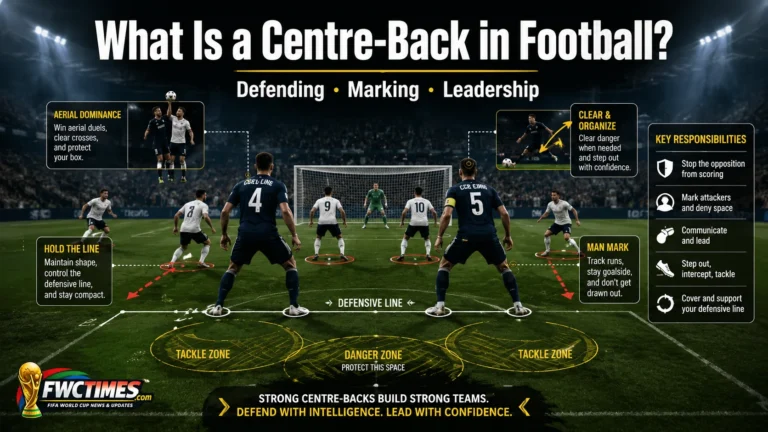
Regaining possession is only the first step for a creative defender. The libero must launch new attacks with accurate passing from the back line. They often play long passes to find wingers on the far flanks. You can check the centre-back in football guide to compare duties.
Stepping into midfield allows the defender to create passing options. This movement forces the opposing midfield to step out and press. As a result, spaces open up for central attacking midfielders between the lines. Composure on the ball prevents dangerous turnovers in the defensive third.
Positional Differences in Defensive Roles
Understanding the differences between defensive roles is essential for soccer fans. The positions have unique areas of operation and tactical goals. The main differences are shown in the comparison details.
| Role Type | Primary Zone | Core Duty | Attack Support |
|---|---|---|---|
| Libero | Behind defensive line | Cover and sweep | Carries ball into midfield |
| Traditional Sweeper | Behind defensive line | Clear loose balls | Stays deep and defends |
| Center-Back | Defensive line | Mark strikers | Distributes from back line |
| Ball-Playing Defender | Defensive line | Stop attacks | Passes to progress play |
Evolution in Modern Football Tactics
Classic liberos have mostly disappeared from the modern game today. Teams now use flat back lines and strict zonal marking systems. Offside rules also encourage defenders to stay in a straight line. You can check the tactical formations guide for system details.
Modern ball-playing defenders perform many duties once assigned to liberos. Goalkeepers also act as sweeper-keepers by clearing balls outside their penalty box. These adjustments keep the core concepts of the role alive in modern play. The naming has changed, but the tactical functions remain.
Defensive Systems and the Free Defender Role
Defenders must handle high-pressing systems during the upcoming summer matches. Teams will rely on center-backs who can progress the ball under pressure. These deep playmakers will be vital for building successful attacks. You can track these strategies during the next international tournament.
Many modern center-backs perform the tasks of a classic sweeper. Players step forward to create passing lines and progress the ball. You can check the full-back in football guide to see how wide defenders support them. These connections are vital for maintaining a strong team shape.
Conclusion
The free defender role represents an iconic chapter in tactical history. Its legacy continues to shape how modern center-backs build play from deep. Players need excellent scanning skills to balance defense with midfield support. Fans will continue to see these deep playmaking movements in modern matches.
Understanding different defensive systems helps fans analyze match movements. You can learn about modern defensive trends by tracking player rotations. Coaches adjust these roles depending on the style of the opponent. Keep studying tactical setups to enjoy the tournament matches.
Frequently Asked Questions
What is libero in football?
The libero describes a free central defender in football. This player has no fixed marking duties during matches. They sweep up loose balls and cover defensive gaps. They also step forward to help build the attack.
What is the difference between a libero and a sweeper?
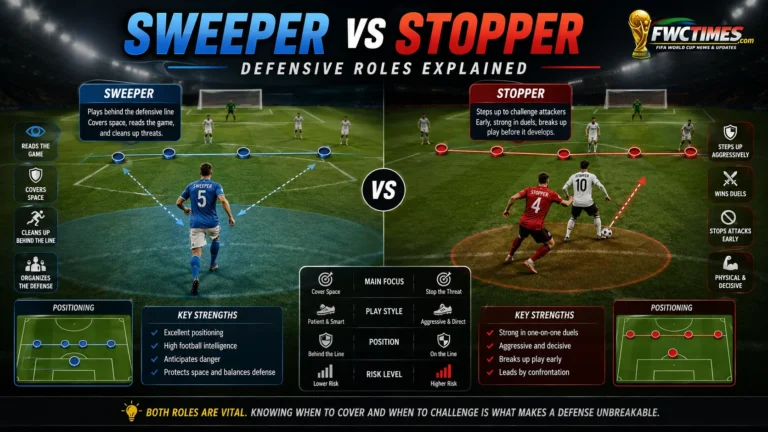
A sweeper is a defensive player who sits deep. Their primary job is to clear loose attacking balls. The libero is a sweeper who has playmaking freedom. Liberos carry the ball into midfield to start attacks.
Who made the libero role famous?
Franz Beckenbauer made the modern libero role famous. He played this position for Bayern Munich and Germany. Beckenbauer showed how deep defenders could control matches. His tactical intelligence redefined defensive play forever.
Why did the classic libero role decline?
Modern teams prefer flat defensive lines for zonal marking. A deep libero would keep opposing attackers onside. This risk makes the classic role tactically obsolete. Coaches now prefer high lines and pressing systems.
How does the libero concept survive today?
Goalkeepers act as sweeper-keepers to clear through balls. Ball-playing center-backs also carry possession into midfield. These players perform the playmaking duties of the role. These functions remain vital in modern team tactics.