World Cup 2026 Squad Size Rules: Roster Limits Explained

The tournament organizers have updated the player registration rules for the upcoming tournament. Under the current guidelines, the FIFA World Cup 2026 squad size rules allow up to twenty-six players. National team managers must submit their final rosters ahead of the opening matches. In fact, this setup gives coaches more tactical flexibility during the summer games.
Coaches must select their players from a pre-approved preliminary list of names. Football fans should monitor these roster announcements to track player fitness. In fact, the final rosters will shape the competitive balance of the tournament. The official squads will become public once the football governing body confirms them.
How many players can be in a World Cup 2026 squad?
World Cup 2026 Squad Size Rules Details
Understanding the World Cup 2026 squad size rules details is essential for analyzing the tactical setup of modern teams. Coaches build their structures to exploit these specific movements during competitive matches. Fans can follow these details closely throughout the tournament stages.
Every participating country can name a final tournament squad of twenty-six players. This squad size must include a minimum of twenty-three selected players. On top of that, coaches must include at least three fit goalkeepers in their roster. The official publication of these squad lists will happen in early June.
| Squad Stage | Number of Players | Goalkeeper Rule | Public Status |
|---|---|---|---|
| Preliminary list | 35 to 55 players | At least four goalkeepers | Internal list only |
| Final list | 23 to 26 players | At least three goalkeepers | Official public roster |
| Injury replacement | From provisional list | Special goalkeeper replacement rule | Approved by medical committee |
| Official publication | 48 team lists | Applies to all teams | Confirmed by football organizers |
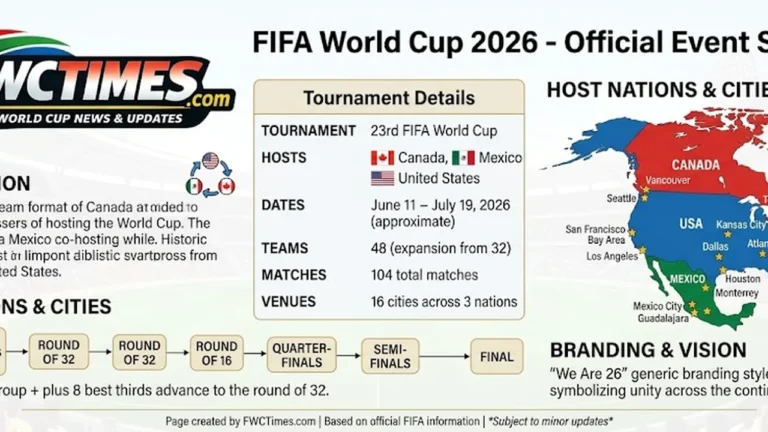
The expanded roster limits help national teams manage fatigue during the long tournament. In fact, the schedule features one hundred and four matches across three countries. So, coaches will need to rotate their players to prevent muscle injuries. Supporters can expect larger benches during every single match.
Preliminary List vs Final List
The preliminary list serves as the initial registration phase for national teams. Associations must submit a pool of thirty-five to fifty-five players to the organizers. Yet, this early list remains private and only helps coaches plan their selections. The final squad must come directly from this initial group of players.
Coaches often use the larger preliminary group to test young talents before the tournament. Still, only the final twenty-six players will travel to the host cities. Powerhouses like France will have tough choices to make due to their depth. Fans must wait for the official roster before buying their match jerseys.
Replacement Rules and Injury Cases
Teams can replace a registered player only in cases of serious injury or illness. The new player must come from the previously submitted provisional squad list. As a result, coaches must choose their preliminary players with great care. The tournament medical committee must approve every roster change before kickoff.
The deadline for replacing an injured outfield player is twenty-four hours before the first match. Yet, goalkeepers receive a special exemption from this strict time limit. A team can replace an injured goalkeeper at any stage of the tournament. This exception protects team safety in case of emergency injuries.
Tactical Impact of Larger Squads
Having twenty-six players allows coaches to carry specialized tactical options for specific match situations. Managers can select extra defenders, target men, or penalty specialists without risking squad depth. So, teams can adapt to different opponents during the knockout stages. This flexibility is vital when facing top teams like Argentina in the playoffs.
The extra roster spots also allow coaches to include promising young players for experience. These youngsters can learn from veteran teammates during the month-long training camp. Still, most game time will go to the established stars of the team. The larger squads will create a positive atmosphere in the training base.
Host City Travel and Rotation
The tournament matches will take place across sixteen distinct host cities in North America. Teams will travel long distances between their scheduled group stage fixtures. Because of this, player rotation will become a key strategy for successful coaches. The larger squad size helps managers rest key players during travel days.
Supporters should check the location of the matches to understand the travel demands. You can check the stadiums list to see where each team will play. Some regions will experience high heat and humidity during the summer months. So, squad depth will decide which teams survive the group stage.
Frequently Asked Questions
How many players are allowed in a World Cup 2026 squad?
Each qualified country can register up to twenty-six players in their final squad. The roster must include at least twenty-three players. This limit gives coaches extra options for the expanded tournament.
How many goalkeepers must be in the squad?
FIFA rules require each team to include at least three goalkeepers. The preliminary list must have at least four goalkeepers. This rule ensures teams have sufficient cover for this specialized position.
Can teams replace injured players during the tournament?
Outfield players can only be replaced up to twenty-four hours before the first game. Yet, teams can replace an injured goalkeeper at any time during the competition. Any replacement player must come from the preliminary squad list.
What is the size of the preliminary squad list?
National teams must submit a preliminary list of thirty-five to fifty-five players. This list remains private and is used for registration purposes. Only players on this list can make the final tournament squad.
When will the official squads be published?
FIFA plans to release the final approved squad lists on June 2, 2026. National associations may announce their rosters earlier. Even so, the lists are only official after FIFA verification.
Conclusion
The current squad size rules ensure that coaches have enough players to handle the tournament demands. Carrying twenty-six players helps teams manage fatigue, injuries, and travel across three nations. In fact, this expansion protects the health of the players during a long campaign. Supporters can look forward to seeing complete squads in top condition.
Coaches will finalize their rosters in early June before the opening games. Fans should watch the squad announcements to see which stars make the trip. After all, the selected players will represent their nations on the biggest stage. Staying updated on squad news will help you follow the tournament closely.