Analyzing the World Cup 2026 FIFA Revenue Projections


Commercial success for international football tournaments reaches new heights with the upcoming expansion. In fact, organizers expect the World Cup 2026 FIFA revenue to hit record levels during this financial period. The revised budget reflects the expanded format and increased commercial opportunities across North America. You can track these financial projections as the opening match approaches.
Total income projections rose significantly after marketing teams reviewed stadium capacities and broadcasting deals. Qualified teams and national federations will share a portion of these historic earnings. So, this distribution will help develop grassroots football programs in multiple regions. Fans can follow the economic impact of the tournament on global sports.
Projecting the World Cup 2026 FIFA Revenue
World Cup 2026 Fifa Revenue Details
Understanding the World Cup 2026 FIFA revenue details is essential for analyzing the tactical setup of modern teams. Coaches build their structures to exploit these specific movements during competitive matches. Fans can follow these details closely throughout the tournament stages.
Television broadcasting rights remain the single largest money stream for the governing body. Ticketing and hospitality sales follow closely due to the high capacity of modern stadiums. On top of that, marketing rights contribute billions as global corporations buy official sponsorship packages. The final audited numbers will be published after the final match.
We can examine the budgeted revenue categories for the current financial period. The commercial division divided the total income streams into five main areas. Media rights represent the largest portion of the total expected earnings. Yet, ticket sales will also generate billions because fans want to attend live games.
| 2026 Revenue Category | Budgeted Amount | Why It Matters |
|---|---|---|
| Television broadcasting rights | USD 3.925 billion | Global broadcasters pay for match coverage |
| Hospitality and ticket sales | USD 3.017 billion | High stadium capacities increase ticket inventory |
| Marketing rights | USD 1.786 billion | Global partners purchase sponsorship packages |
| Licensing rights | USD 111 million | Brand licensing supports the tournament budget |
| Other revenue and income | USD 72 million | Additional smaller lines complete the projections |
| Total budgeted revenue | USD 8.911 billion | Represents the bulk of the four-year target |
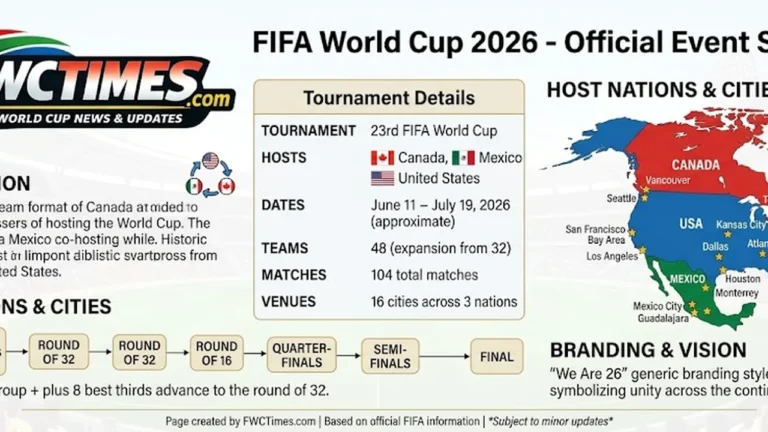
The new forty-eight team format increases the total number of matches to one hundred and four. This change creates more television programming hours for global broadcast partners. Since there are more matches, stadium gates will open to larger crowds. As a result, the commercial potential rises for all host venues.
Distribution and Financial Reinvestment
High revenues allow the governing body to reinvest money into global soccer development. The organization distributes prize money and preparation grants to all participating nations. These payments help smaller federations fund their travel and training camps. This support ensures that every team can prepare for the FIFA World Cup 2026.
We can detail the distribution categories for the participating national teams. The total prize pool reaches new heights for the main event. In fact, the champion receives the largest share of this financial distribution. A team like Brazil could earn a massive payout by winning the final match.
| Distribution Item | Amount | Meaning |
|---|---|---|
| Total tournament distribution | USD 727 million | Record distribution pool for the event |
| Prize money pool | USD 655 million | Paid to all forty-eight competing nations |
| Preparation payment | USD 1.5 million per team | Financial support paid before the kickoff |
| Guaranteed minimum payout | USD 10.5 million | Minimum payment for group stage participants |
| Champion prize money | USD 50 million | Payout reserved for the winning team |
Commercial Opportunities and Sponsorships
Corporate hospitality packages will play a massive role in generating ticket revenue. Modern NFL stadiums feature large numbers of luxury suites and club seats. These premium spaces command high prices from international corporate clients. You can check the World Cup 2026 hospitality packages list to see available options.
Global sponsors receive stadium signage and digital branding rights during broadcasts. These agreements include commercial activations inside fan zones in host cities. The marketing department works to align sponsor products with fan activities. Since partners pay record sums, this strategy increases total commercial value.
Conclusion
The budgeted figures represent the financial scale of modern global sport. The expanded format and large stadiums in North America create massive commercial opportunities. Broadcasting, ticketing, and sponsorship deals drive this financial growth. After all, the tournament remains the most watched sporting event in the world.
Reinvesting these funds helps develop soccer programs in multiple countries. A team like France will benefit from enhanced tournament standards. You can follow the latest updates in our World Cup 2026 news today section. Even so, the final audited revenue numbers will only be confirmed after the tournament.
Frequently Asked Questions
How much will FIFA earn from World Cup 2026?
FIFA budgets USD 8.911 billion in total revenue for the 2026 tournament year. In fact, the total revenue projection for the four-year period is USD 13.0 billion. The final actual earnings are yet to be confirmed. The expanded tournament format drives this record-breaking financial projection.
What is the largest revenue source for World Cup 2026?
Television broadcasting rights are the largest single revenue source at USD 3.925 billion. Ticketing and hospitality sales follow closely behind at USD 3.017 billion. Yet, marketing rights also contribute a significant USD 1.786 billion. These three streams represent the bulk of the tournament income.
How much prize money is available for World Cup 2026 teams?
FIFA has approved USD 655 million in prize money for the tournament. The total team distribution pool reaches USD 727 million. Each qualified team receives a guaranteed minimum payment of USD 10.5 million. So, even teams that exit in the group stage receive significant financial support.
Why is World Cup 2026 FIFA revenue higher than past tournaments?
The expanded format features forty-eight teams and one hundred and four matches. This increases the ticket inventory and television broadcast hours. The games also benefit from high-capacity stadiums in North America. Since the market is large, commercial opportunities grow significantly.
How does FIFA distribute the tournament revenue?
The governing body uses the funds to pay prize money and team expenses. They also reinvest the earnings into global football development projects. Pitches and training centres are funded worldwide through the Forward Programme. After all, developing the sport remains a key goal of the commercial strategy.