Key Issues Behind the World Cup 2026 Controversy


The World Cup 2026 controversy continues to grow as the expanded tournament draws closer. Organizers face serious questions regarding match formats, field conditions, and regional transport networks. In fact, many fans are debating these decisions across social media. Supporters must understand these issues to prepare for the massive event.
Format Expansion Concerns
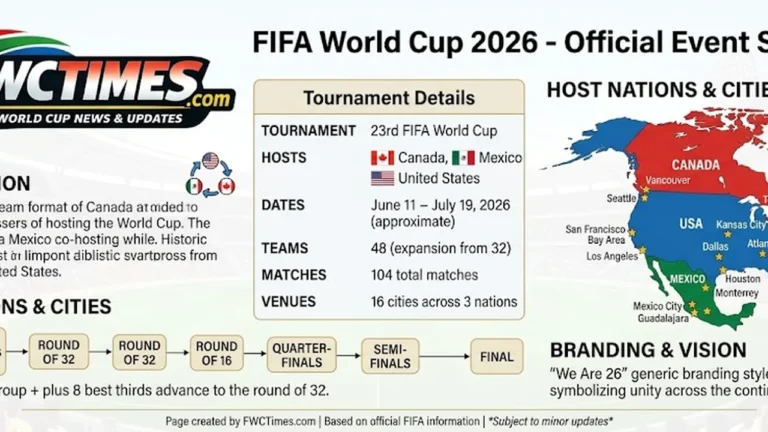
Expanding the tournament to forty-eight teams will create a much larger match schedule. The total game count will rise to one hundred and four matches. Since some critics believe this expansion dilutes the quality, debate remains active. The inclusion of more nations might lead to lopsided group stage results.
Other experts worry about severe player fatigue during the extended tournament period. Teams must now play eight matches to reach the final round. As a result, managers will need to rotate their squads more frequently. Top players from clubs in Europe will face high injury risks.
The World Cup 2026 Controversy Over Stadium Grass
The choice of playing surfaces remains a central point of disagreement for organizers. FIFA regulations mandate that all matches must take place on natural grass pitches. On top of that, several stadiums in the USA must temporarily replace their synthetic turf. Laying temporary grass over concrete or plastic is a complex task.
Maintaining fresh grass inside indoor stadiums requires advanced agricultural technology. Specialized grow lights and advanced drainage systems must be installed at high costs. Yet, some venues plan to return to artificial turf after the tournament. This temporary conversion has drawn heavy criticism from environmental groups.
Tactical Role of World Cup 2026 Controversy
Professional players have raised safety alarms about the quality of temporary grass. Poorly installed sod can shift during intense movement and cause serious joint injuries. Still, organizers insist that all pitches will meet strict safety standards. Teams like Brazil will monitor these surfaces closely during training.
Unprepared pitches could lead to public complaints from star athletes. Turf scientists are working with stadium crews to prevent surface shifting. So, venues are testing different grass types under varied indoor climates. The final quality of the pitches remains to be seen.
| Debate Point | Main Issue | Key Concern |
|---|---|---|
| Format expansion | 48 competing teams | Diluted match quality and fatigue |
| Field surfaces | Temporary grass fields | Player injury risks and high costs |
| Travel logistics | Grueling travel distances | Time zones and border crossings |
| Ticket pricing | Expensive ticket packages | Limited access for ordinary fans |
These core issues dominate public discussions about the tournament. Many experts believe these points could impact the overall success of the games. Because of this, organizers must address the concerns before the opening match. Fans are demanding clear answers from local authorities.
Travel Distances and Time Zone Swings
Travel logistics present another major challenge for participating squads. The tournament will span three large countries and four different time zones. Since long flights will be common, player recovery times will decrease. This stress might affect the performance of teams in later rounds.
Vast distances also mean that players will experience drastic climate changes. Nations will switch from coastal humidity to high altitude within days. Even so, squads must adapt quickly to stay competitive in the tournament. Supporters will also face high costs when booking long flights.
Ticket Scarcity and Commercialization
The ticket sales process has generated debate regarding overall fairness and accessibility. Many ordinary supporters complain about high pricing and limited seat availability. On top of that, critics accuse FIFA of prioritizing corporate sponsor packages. The high commercial presence around the stadiums has drawn mixed reactions.
Broadcasters also face pressure to deliver affordable viewing options for everyone. High subscription fees for sports channels could restrict television access in developing nations. So, local networks are negotiating to secure free broadcast rights. Public access remains a key concern for global fan associations.
Frequently Asked Questions
What is the biggest debate surrounding the 2026 tournament?
The main debates focus on the expansion to forty-eight teams and the travel logistics. Critics worry about player fatigue and lopsided matchups during the group stage. In fact, ticket prices and accommodation costs are also major concerns. Fans feel that the tournament has become too expensive.
Why is the grass playing surface causing debate?
FIFA rules require all matches to be played on natural grass fields. Venues that normally use synthetic turf must temporarily convert their fields. As a result, this process is expensive and raises safety concerns. Poorly installed sod could shift during matches and cause injuries.
How will grueling travel distances affect the teams?
Teams will have to fly across three nations and four different time zones. These long flights can disrupt sleep and reduce crucial recovery time. Since the matches are closely scheduled, physical stress will be high. Altitude and temperature changes will also test player endurance.
Are ticket prices a major concern for soccer fans?
Yes, many fans believe the ticket pricing is far too high. High ticket costs combined with expensive flights limit access for ordinary supporters. So, corporate allocations have faced criticism from international fan groups. Supporters want fairer access to stadium seats.
How can host cities reduce the logistical pressure?
Host cities are expanding local public transit networks to move fans efficiently. Authorities are also coordinating visa policies to simplify international travel. Yet, coordination across three large nations remains a massive task. Cities are working hard to prevent transportation bottlenecks.
Conclusion
The debates surrounding the tournament highlight the complexities of hosting a massive sporting event. Scale brings challenges, yet proper preparation can minimize travel and ticketing issues. Since this tournament is historic, organizers are working to resolve key problems. Supporters must stay informed by checking verified news sources regularly.
Fans can read the FIFA World Cup 2026 FAQ page for updated tournament details. This resource answers common questions about tickets, venues, and travel guidelines. So, check the website to plan your trip successfully. The upcoming tournament will bring together fans from all nations.