A Guide to the World Cup 2026 Official Sponsors

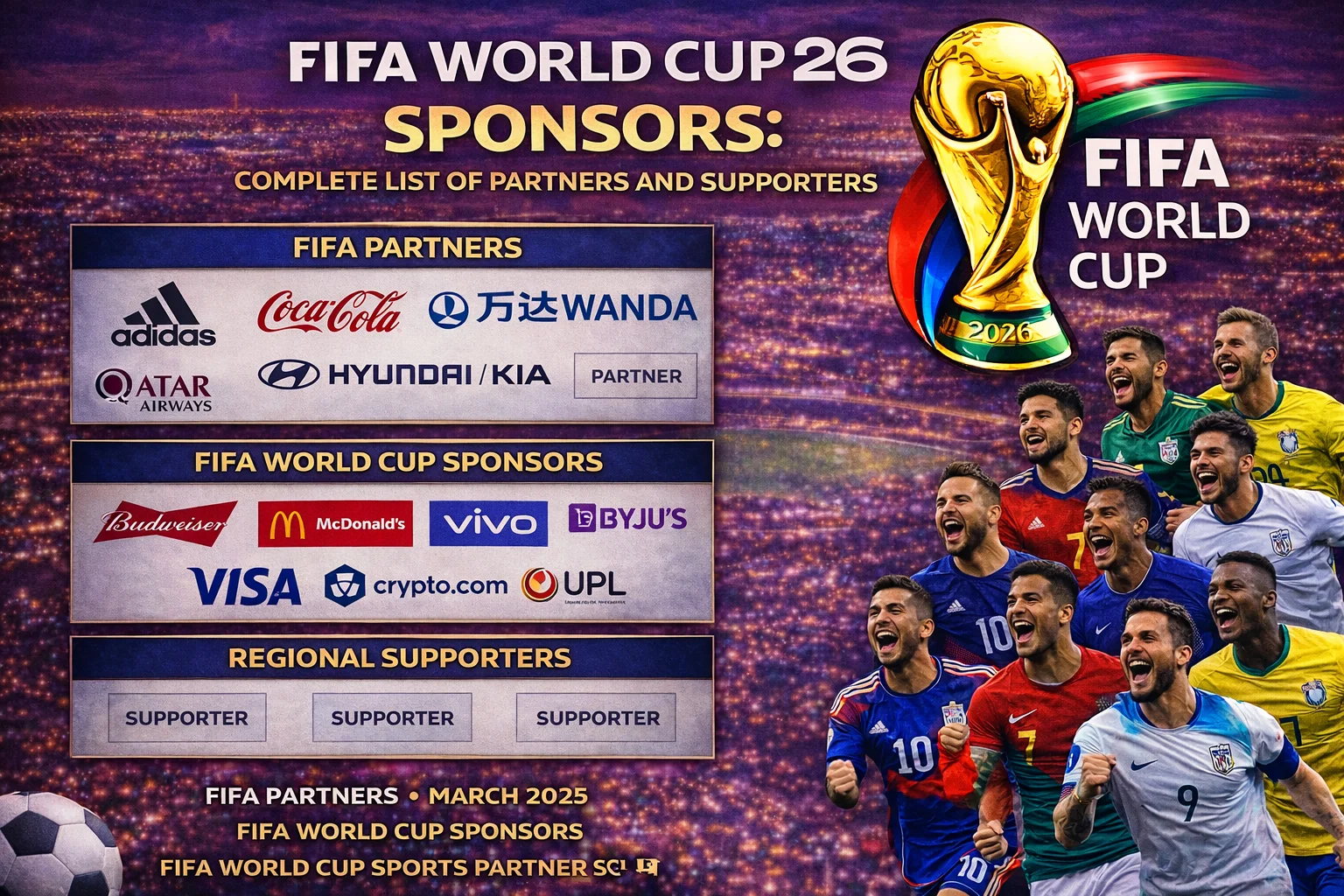
Soccer fans want to know the major corporations behind the upcoming tournament. The World Cup 2026 official sponsors provide critical funding to make this event possible. Since the competition has expanded to forty-eight teams, brands gain immense international visibility. Supporters will notice these global labels in every stadium and on digital streams.
FIFA divides its commercial partners into specific marketing tiers. The top-tier partners hold long-term rights that span multiple tournaments. Yet secondary sponsors secure rights only for this specific edition of the tournament. You can check the complete list of partners to see which brands support your country.
World Cup 2026 Official Sponsors Guide
World Cup 2026 Official Sponsors Details
Understanding the World Cup 2026 official sponsors details is essential for analyzing the tactical setup of modern teams. Coaches build their structures to exploit these specific movements during competitive matches. Fans can follow these details closely throughout the tournament stages.
The highest level of corporate partnership features familiar global companies. Adidas continues its historic relationship by supplying the official match balls and official uniforms. In fact, other major names like Coca-Cola and Visa also belong to this elite sponsorship group. Supporters from the host USA will see these brands decorating cities during the games.
New global partners have also joined the roster for the upcoming tournament. Technology giant Lenovo will provide the essential computing devices and artificial intelligence infrastructure. Because of this partnership, match operations will run more smoothly across all sixteen venues. These major deals contribute significantly to the total financial returns of the event.
Tournament Sponsors and Fan Activations
The second tier of sponsors includes brands that focus on direct fan engagement. Companies like McDonald’s and Frito-Lay will run massive consumer promotions during the summer. So fans can win match tickets and official merchandise through special packaging. Supporters traveling from Brazil and other nations will enjoy these interactive marketing campaigns.
Other major brands like Unilever will promote personal care products in local fan zones. Still, these commercial campaigns must respect local guidelines in each host city. You should look for official logos on product displays to confirm tournament association. Having these recognizable brands involved adds to the global atmosphere of the tournament.
| Sponsorship Tier | Key Brands | Primary Focus |
|---|---|---|
| FIFA Partners | Adidas, Coca-Cola, Visa | Global Association |
| World Cup Sponsors | McDonald’s, Lenovo, Unilever | Tournament Activations |
| Regional Supporters | To be confirmed | Local Market Campaigns |
Avoiding Fraudulent Brand Promotions
Scammers often exploit famous brand names to create fake ticket contests. They build unofficial web pages that steal your personal information. On top of that, they may ask for upfront fees to claim prizes. You must verify all promotional offers on the official websites of the sponsors.
Legitimate brand campaigns never require you to pay for delivery costs of prizes. As a result, you should immediately report suspicious links that ask for banking details. Follow verified social media accounts to track genuine ticket sweepstakes safely. This precaution keeps your digital personal data secure during the tournament.
Frequently Asked Questions
Who are the main sponsors for World Cup 2026?
The official sponsors include global partners like Adidas, Coca-Cola, and Visa. Other major tournament sponsors include Lenovo and Bank of America. You can find the complete list on the official website. These companies support various stadium operations.
What is a FIFA Partner?
A partner represents the highest tier of corporate sponsorship for the event. These brands hold marketing rights for all tournaments organized by the federation. They work on long-term initiatives spanning several years. This tier offers the maximum brand visibility.
How do sponsors help soccer fans?
Sponsors fund local fan parks and entertainment zones in host cities. They also develop digital tools like live tracking apps for supporters. Some partners offer exclusive discounts on food and travel services. This makes the tournament experience better for fans.
Can sponsors distribute match tickets?
Official partners often receive ticket allocations to use for customer promotions. So fans can enter these official giveaways through verified corporate channels. You must avoid unofficial ticket offers from unverified sources. This precaution prevents you from falling for online scams.
Will local businesses sponsor the games?
Local businesses can participate as regional supporters during the event. These brands focus their advertising efforts within specific host countries or cities. This system helps local companies connect with visiting fans. You will see these ads in local areas.