World Cup 2026 Transfer News: Major Player Moves


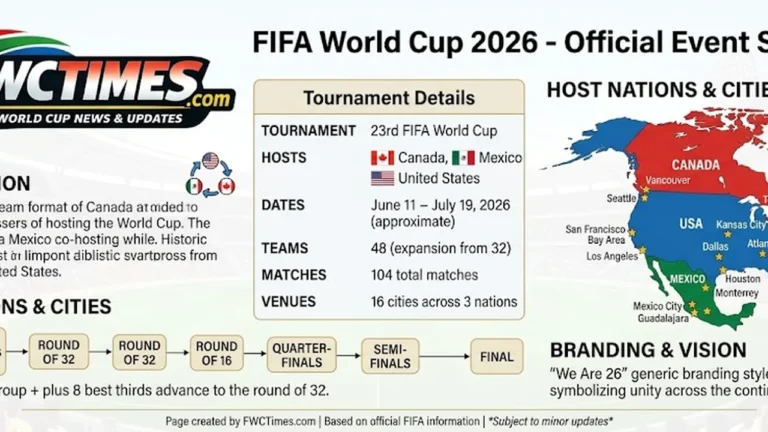
The FIFA World Cup 2026 has already reshaped how clubs and national teams view the summer transfer market. A record 1,248 players across 48 nations registered for the tournament. With final squads locked in by June 1, 2026. World Cup 2026 transfer news moves fast, so managers track every confirmed deal and rumored switch.
National coaches watch club form closely, since playing time at club level directly shapes squad decisions. A player stuck on the bench rarely convinces a national coach, no matter how strong their reputation. As a result, fringe players often seek loan moves or transfers to guarantee starts. The pre-tournament window is one of the most consequential periods a professional footballer can navigate.
Why World Cup 2026 Transfer News Matters for Squads
World Cup 2026 Transfer News Details
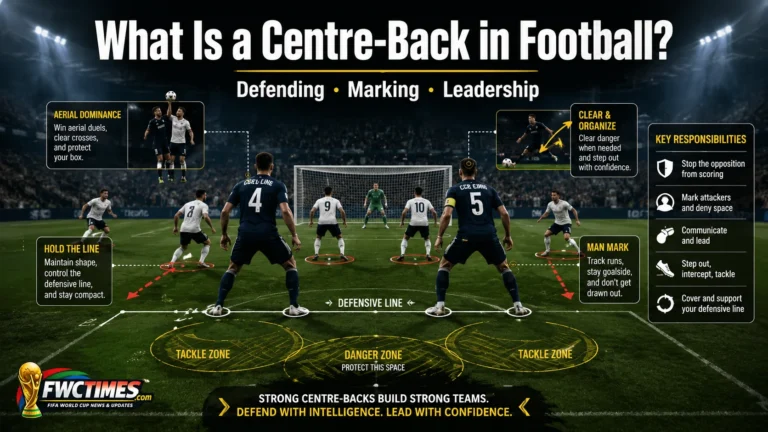
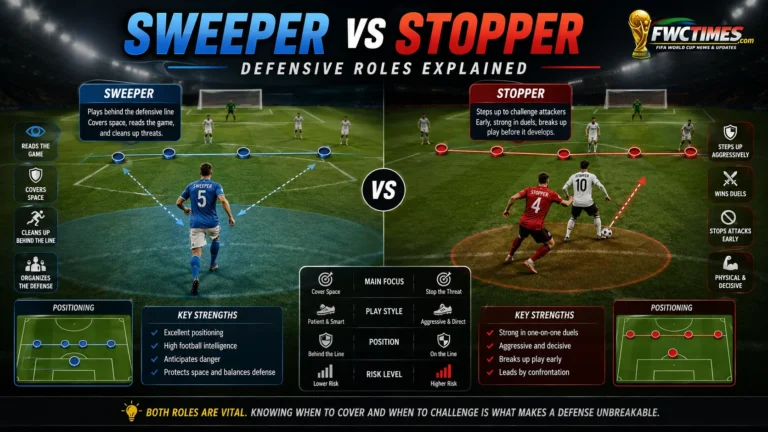
Understanding the World Cup 2026 transfer news details is essential for analyzing the tactical setup of modern teams. Coaches build their structures to exploit these specific movements during competitive matches. Fans can follow these details closely throughout the tournament stages.
Every confirmed transfer before the tournament shifts the balance of multiple international squads simultaneously. A player who moves to a top club gains elite training, stronger teammates, and global visibility. Yet adapting to a new system takes time. And A slow start after a transfer can cost a player their spot in their national team.
FIFA required all nations to submit provisional long-lists of 35 to 55 players by May 11, 2026. From those lists, coaches finalized their 23-to-26-player squads by June 1, 2026. Clubs were mandated to release players for international duty no later than May 25, 2026. Players involved in continental club finals received an extension until May 30, 2026.
How the Transfer Window Overlaps With the Tournament
The 2026 summer transfer market opened in many regions in mid-June, overlapping directly with the group stage. Clubs across Europe adopted a deliberate “wait-and-see” approach. Watching which players shine on the world stage before committing to major deals. Selling clubs respond to this by firming up asking prices.
Stars from England, France, and other leading nations attract the most transfer speculation during the tournament. Informal discussions between agents and clubs increase during international camps, which is a well-known reality of the modern market. Clubs scout across all 16 host-city venues. Since the expanded 48-team format creates more exposure for players from smaller footballing nations.
| Transfer Factor | Why It Matters | Key Focus Area |
|---|---|---|
| Playing time | Selection follows active minutes | Regular starting role |
| Tactical position | Role must suit national system | Positional adaptability |
| Physical fitness | Heavy schedule raises injury risk | Injury prevention |
| Current form | Confidence shapes squad picks | Recent match performance |
| Coach trust | New clubs need quick adaptation | Consistent lineup spots |
Risks of Transferring Clubs Before a Major Tournament
Late transfers create real problems for players preparing for a World Cup. Moving to a new club means learning a different system, building trust with new teammates. And Settling into an unfamiliar city. On top of that, intensive pre-season schedules at a new club can clash with international preparation windows.
Coaches at USA and other co-host nations monitor their home-based players with extra attention during the window. A poorly timed transfer can push a player outside the squad entirely, even after months of strong form. Since squad replacements require serious injury or illness and must come from the original provisional list. There is no easy route back in.
The World Cup Shop Window Effect on Transfer Values
The tournament works as a global shop window for talent. And That effect is well established across previous World Cups. Players who reach the knockout rounds with strong statistics routinely attract enquiries from clubs across Europe and South America. Selling clubs know this.
In case of fringe players, the World Cup shop window is a genuine route to securing a life-changing move. A single standout match in front of global scouts can unlock conversations that were never on the table before. Loans also remain a viable pre-tournament strategy. Since regular minutes at a lower level often prove more valuable than squad rotation at an elite club.
Frequently Asked Questions
How does World Cup 2026 transfer news affect national team squads?
Transfer moves directly shape whether a player secures regular club minutes before the tournament and national coaches prioritize. So A failed transfer that leads to bench time can end a player’s World Cup hopes. FIFA confirmed all 48 final squads by June 1, 2026, locking in 1,248 players for the tournament. Replacements after that date require serious injury or illness and must come from the original provisional long-list.
When did clubs have to release players for the 2026 World Cup?
FIFA required clubs to release players for international duty no later than May 25, 2026. Players involved in continental club competition finals received a slightly later release date of May 30, 2026. This mandatory release system ensures national squads can prepare together before the tournament begins. Clubs that fail to comply face regulatory action under FIFA regulations.
How does the 2026 summer transfer window interact with the tournament?
The summer transfer window opened in mid-June in many regions, which coincides with the group stage of the tournament. Most clubs adopted a deliberate wait-and-see approach, watching players perform on the world stage before making major commitments. Selling clubs responded by firming up valuations, knowing that strong performances push prices higher. Major transfer business is expected to accelerate after the final on July 19, 2026.
Can a player be replaced in the World Cup squad after it is finalized?
A player can only be replaced in the final squad due to serious injury or illness. Any replacement must come from the player’s nation’s original provisional long-list of 35 to 55 players. This Was submitted to FIFA by May 11, 2026. The replacement must be confirmed at least 24 hours before the affected team’s opening match.
Why is the World Cup considered a shop window for player transfers?
Players who excel at the World Cup gain global visibility in front of scouts from every major league. Strong tournament performances drive up market valuations and attract club enquiries within days of a standout match. Historical data from previous tournaments shows that breakout stars often. Complete moves to bigger clubs within weeks of the final and since the 2026 tournament runs through July 19.
Final Thoughts on Pre-Tournament Player Movements
Transfer decisions made in the months before a World Cup carry consequences that stretch well beyond a single season. A smart move to a club that offers regular minutes can secure a player’s tournament spot. A strong stat line and and A bigger contract afterward. A rushed or poorly timed deal can strip away playing time at the worst possible moment.
The 2026 tournament spans three countries across North America and runs through mid-July. Giving players an extended window to impress. Scouts from every major European and South American league will be present across all 16 host cities. Since the expanded 48-team format produces more matches and more exposure.