How Many Groups World Cup 2026 Has: Full Format Explained

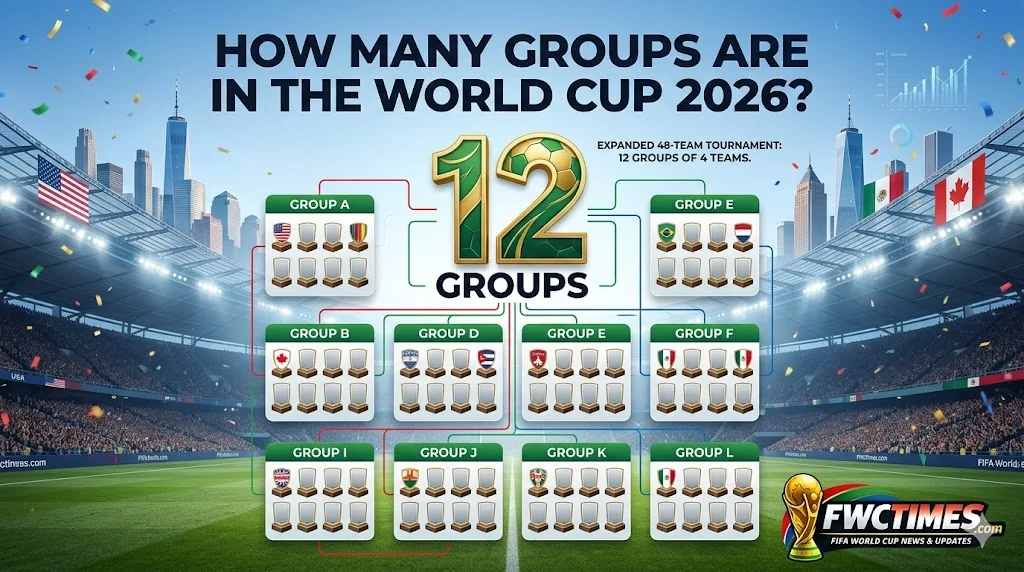
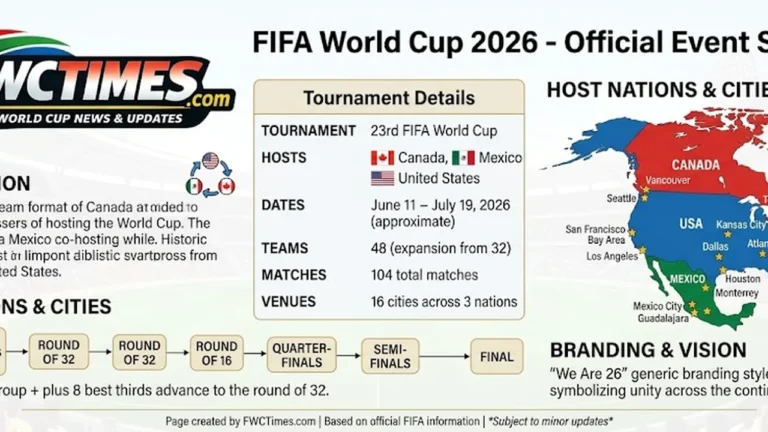
The next global football tournament will feature a massive format change for participating nations. Fans often ask how many groups FIFA World Cup 2026 will use for the matches. The organizers decided to arrange twelve groups with four teams in each section. This layout ensures that every country plays at least three group matches.
The group stage creates seventy-two matches before the next round begins. In fact, thirty-two of the forty-eight teams will continue beyond the opening phase. The top two teams from every group qualify automatically for the knockout bracket. After all, the expansion allows more nations to experience postseason football.
How many groups does World Cup 2026 have?
How Many Groups World Cup 2026 Details
Understanding the how many groups World Cup 2026 details is essential for analyzing the tactical setup of modern teams. Coaches build their structures to exploit these specific movements during competitive matches. Fans can follow these details closely throughout the tournament stages.

The tournament will feature twelve groups containing four teams each. The groups run alphabetically from Group A all the way to Group L. This new format accommodates the expansion to forty-eight competing countries. So, fans can expect a massive increase in group matches during the summer.
| Format Item | Confirmed Detail | What It Means |
|---|---|---|
| Total groups | 12 groups | The tournament uses Groups A to L. |
| Teams per group | 4 teams | Each team plays three group matches. |
| Total teams | 48 teams | The field is larger than past editions. |
| Group-stage matches | 72 matches | The first phase has more matches. |
| Automatic qualifiers | Top two from each group | 24 teams qualify without third-place comparison. |
| Extra qualifiers | Eight best third-place teams | Group records across the tournament decide the last spots. |
The expanded layout keeps the group stage competitive for all teams. Underdogs can still advance if they secure a strong third-place finish. In fact, this structure keeps the tension high until the final group matchdays. Supporters will enjoy more drama as the group standings change rapidly.
World Cup 2026 Group Structure Explained
FIFA will divide the forty-eight teams into twelve groups. Each group functions as a round-robin league where teams play three times. Winners receive three points while draw matches award one point to each side. Still, goal difference will remain the primary tiebreaker for teams tied on points.
The previous tournaments featured only eight groups during the opening round. The new system adds four more groups to the competition schedule. Even so, the classic four-team group dynamic remains intact for the players. Fans can view the World Cup 2026 team count to understand the full bracket.
Why the Tournament Uses 12 Groups
FIFA initially considered three-team groups for the expanded tournament format. That setup created concerns about final-day collusion between competing nations. As a result, the organizers returned to the popular four-team model. This choice maintains sporting integrity and protects the excitement of final group matches.
Twelve groups also create a clean path for the knockout phase. The top two teams from each group form twenty-four qualifiers. After that, the eight best third-place teams fill the remaining bracket spots. Since this structure keeps more teams motivated, early group exits will decrease.
How Teams Qualify From the Groups
The winners and runners-up of each group automatically reach the knockout round. These twenty-four teams do not need to worry about other results. Yet, the remaining teams must watch the third-place ranking table closely. The best eight third-place teams will join the automatic qualifiers in the next round.
This rule adds complexity to the final matches of the group stage. A single goal can change the destiny of multiple countries. Even so, the system gives smaller teams a better chance of reaching the playoffs. Supporters from the host United States will track these standings with great interest.
Groups A to L at World Cup 2026
The tournament organizers will label the groups from Group A to Group L. This labeling helps fans track the progress of different teams. In fact, each group will have its own schedule and stadium assignments. The geographic layout ensures that teams do not travel too much between matches.
Fans can follow the action starting with the matches in Group A. The host nations will occupy top positions in the early group draws. After all, home support plays a major role in the opening matches of the tournament. The remaining groups will follow the same competitive structure during the first round.
How Many Matches Are in Each Group?
Each group will feature six matches in the opening round of the tournament. The four teams play each other once in a round-robin format. So, each team gets three opportunities to earn points and qualify. This structure ensures that every match carries massive importance for the final standings.
The entire group stage consists of seventy-two matches. This high match volume will keep fans entertained throughout the first two weeks. Yet, it also requires careful scheduling from the tournament organizers. The teams must balance travel and recovery to remain competitive in the knockouts.
Frequently Asked Questions
How many groups are in the World Cup 2026?
The tournament will feature twelve groups. These groups are labeled alphabetically from Group A to Group L. This is an increase from the previous format of eight groups.
How many teams are in each group?
Each group consists of four teams. Every team plays three matches against their group opponents. The top teams will advance to the next round based on points.
How many teams qualify from the group stage?
A total of thirty-two teams qualify for the knockout stage. The top two teams from each group advance automatically. On top of that, the eight best third-place teams also secure a spot.
How many group stage matches are played in total?
The tournament features seventy-two group stage matches. Each of the twelve groups hosts six games. This creates a busy schedule during the first two weeks of the competition.
Why did FIFA increase the number of groups?
The tournament expanded to forty-eight teams. FIFA chose twelve groups of four to protect the competitive round-robin format. This ensures that every country plays at least three matches.
Conclusion
World Cup 2026 introduces twelve groups to accommodate the historic forty-eight team field. In fact, this new system ensures that the classic four-team group stage remains exciting. The top two teams will qualify while third-place rankings keep hope alive for others. Fans will experience a massive celebration of football across the continent.
Supporters should study the tournament structure to plan their travel routes. You can read about how the Round of 32 bracket will operate. This guide helps you track where teams might play after the groups end. After all, early preparation is the key to enjoying the games.