World Cup Nationality Switch Players Add New Squad Pressure

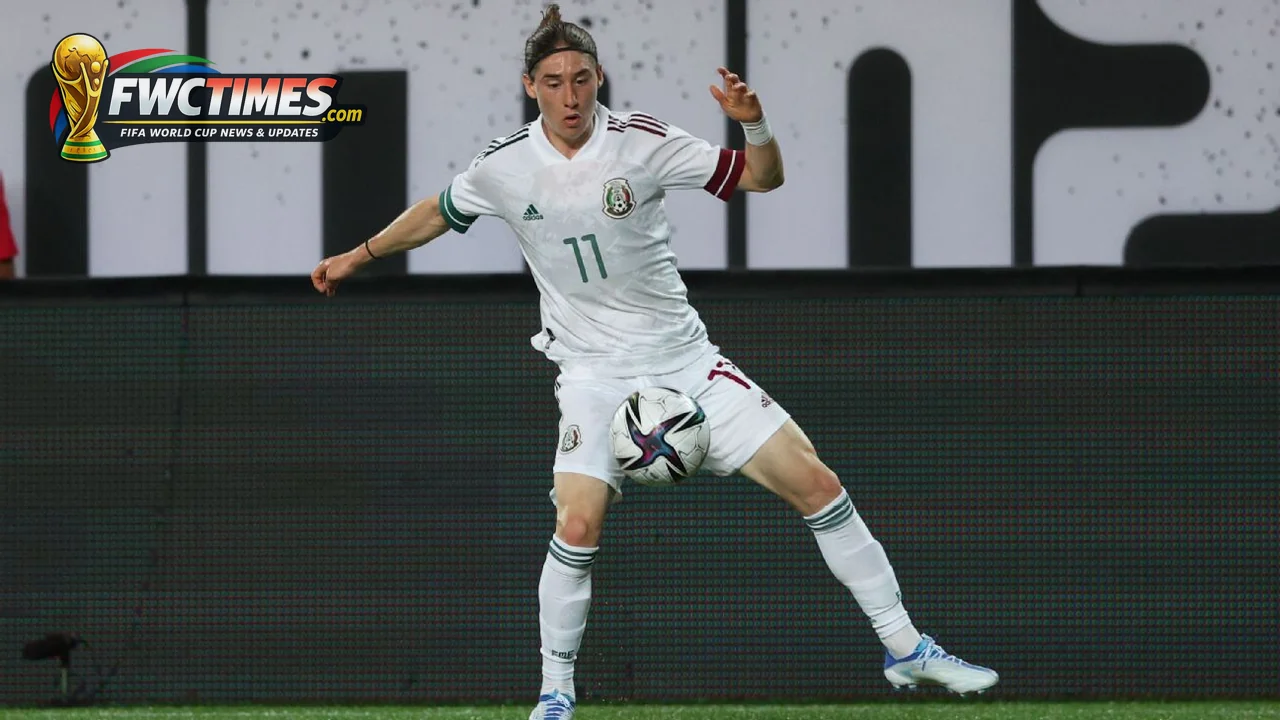
World Cup Nationality Switch decisions have become a live squad-building issue before the 2026 tournament. Players with family ties, youth caps and dual eligibility are changing how national teams plan depth. The expanded 48-team field gives more countries a reason to recruit before final squads settle. The FIFA World Cup 2026 now makes international identity a competitive edge.
Marcelo Flores, Rani Khedira, Aaron Wan-Bissaka and Alejandro Zendejas all show different sides of the trend. Some players changed association after youth involvement elsewhere. Others committed after long eligibility debates. The pattern matters because teams such as Canada, DR Congo, Tunisia and the United States can gain tournament-ready options.
Why FIFA Eligibility Decisions Matter More In 2026
FIFA’s change-of-association rules allow some players to request a switch when eligibility conditions are met. Youth-team appearances do not always lock a player forever. Limited senior involvement can also leave room for a one-time decision. That rule creates openings for players whose careers and family histories cross borders.
The 48-team tournament increases the reward. More teams have reached the finals, so a player can choose a country with a realistic World Cup path. That changes the emotional and professional calculation. A second national option may now mean a genuine chance to play on the biggest stage.
Federations have become more proactive as a result. African, CONCACAF and Asian teams monitor players raised or developed abroad. A single full-back, midfielder or winger can lift squad depth quickly. The best recruitment still needs a real connection, not only a tournament opportunity.
The player also carries pressure. Changing association can bring criticism from supporters of the former team. It can also create expectation inside the new team. Coaches must decide whether the switch improves chemistry or only adds a name.
Which Players Show The Trend Most Clearly
Marcelo Flores gives Mexico and Canada the clearest modern example. He represented Mexico at youth and senior levels, then completed a one-time switch to Canada. His birthplace and career path made the decision personal as well as sporting. Canada gain a creative attacking option from the move.
Aaron Wan-Bissaka gives DR Congo a different profile. He developed through English football and became eligible for the Leopards after earlier England youth involvement. A Premier League full-back can change how DR Congo defend wide areas. His switch also shows how European-developed players can strengthen African squads.
Rani Khedira brings midfield experience into Tunisia‘s tournament plan. He came through Germany’s youth system and later became available to Tunisia. That kind of move can help a team that needs tactical maturity in central areas. It also connects family heritage to tournament selection.
Alejandro Zendejas gives the United States a CONCACAF example tied to Mexico. He had strong Mexico links before committing to the USMNT. His case shows how regional rivals can compete for the same player pool. Those decisions can shape depth before group-stage matches.
| Player | Current National Team | Former Link | World Cup Relevance |
|---|---|---|---|
| Marcelo Flores | Canada | Mexico youth and senior involvement | Adds attacking midfield and wing depth for Canada |
| Aaron Wan-Bissaka | DR Congo | England youth involvement | Raises DR Congo’s defensive quality at right-back |
| Rani Khedira | Tunisia | Germany youth background | Adds central-midfield experience for Tunisia |
| Alejandro Zendejas | United States | Mexico eligibility and club connection | Strengthens USMNT wide attacking options |
The table shows why nationality switches are not only paperwork. They can change a team’s weakest position before the first match. A defender can fix a tactical gap. A winger can give a coach a late-game route.
FWCTimes already tracks the broader World Cup dual-nationality players picture, but the news angle now sits closer to squad selection. Coaches have to decide whether the new player fits the dressing room. Fans will judge the decision once the player enters a tournament match.
Frequently Asked Questions
Nationality switches will not decide the tournament alone, but they can decide tight squad roles before the first whistle.
Stay tuned to FWCTimes.com for the latest FIFA World Cup 2026 updates.
Read Also: Los Angeles World Cup Pop-Up Stores Open With Full Merch Map