Football vs Soccer: Key Differences and Origins Explained

The football vs soccer difference is mainly regional vocabulary. Both words commonly describe the same sport governed internationally as association football.
Most countries call the sport football, while the United States and several other regions often use soccer. The rules, players, field, and World Cup remain the same.
What is the difference between football and soccer?
Football and soccer usually refer to the same association-football sport. The preferred word changes because several countries already use football for another major code.
Soccer began as a British nickname linked to association football. It did not begin as an American invention.
Football vs Soccer Difference in Simple Terms
FIFA governs the international sport commonly called football or soccer. Two teams use eleven players and try to score in the opponent’s goal. The same Laws of the Game apply across regions.
Language creates the visible difference. British English usually uses football, while American English commonly uses soccer. Both terms identify association football when speakers use them that way.
The word football can also describe American football, Canadian football, rugby football, Australian rules football, or Gaelic football. Regional usage depends on which code holds the strongest local claim to the name.
International competition reduces confusion because FIFA and most federations use football in formal naming. American organisations and media still use soccer naturally. Neither regional choice changes the sport itself.
Origins of the Difference Between Football and Soccer
Modern association football developed in Britain during the nineteenth century. The Football Association codified rules in 1863. The sport needed a clear name beside rugby football and other codes.
British students shortened association football into forms such as assoccer before soccer emerged. The nickname later spread beyond Britain. Its origin remains British even though British usage later declined.
The United States already used football for the gridiron sport that became American football. Soccer gave speakers a precise label for association football. Canada and Australia also manage several football codes.
The regional split grew through media, schools, leagues, and governing bodies. Fans learn the term used around them. Global tournaments still bring both words into the same conversation.
Do Football and Soccer Use Different Rules?
Football and soccer use the same IFAB Laws when both terms mean association football. The match uses two teams, a referee, a ball, goals, and a rectangular field. One player per team acts as goalkeeper.
FWCTimes explains the standard lineup in its football team player guide. Calling the sport soccer does not change that eleven-player maximum. The same minimum-player rule also applies.
Offside, fouls, cards, substitutions, and restarts work the same way. The offside rule guide applies to soccer matches in the United States. Regional competition rules can still vary within the global framework.
American football is a separate sport with different equipment, scoring, field markings, and handling rules. Confusion only arises when speakers use football without identifying the code. The surrounding region usually makes the meaning clear.
Football and Soccer Language Comparison
| Area | Common Preferred Term | Meaning |
|---|---|---|
| United Kingdom | Football | Association football |
| United States | Soccer | Association football |
| Canada | Soccer | Association football |
| Australia | Soccer or football | Association football |
| FIFA competitions | Football | Association football |
Football Codes That Create Naming Differences
American football allows planned handling and uses touchdowns, field goals, and specialised units. Association football restricts hand use for outfield players. The goalkeeper has a limited handling role.
Rugby football includes carrying, tackling, and different scoring methods. Australian rules and Gaelic football also follow distinct laws. Each code developed its own regional identity.
The broad word football can describe a family of related field games. Soccer identifies association football with greater precision in places where another code dominates. That practical distinction explains continued usage.
Fans sometimes treat the naming debate as a question of correctness. History supports both terms for association football. Clear communication matters more than choosing one universal regional label.
How Global Football Uses Both Terms
International organisations, clubs, and federations usually prefer football in formal names. The World Cup national teams still reach audiences who commonly say soccer. Publishers often use both terms to serve those readers.
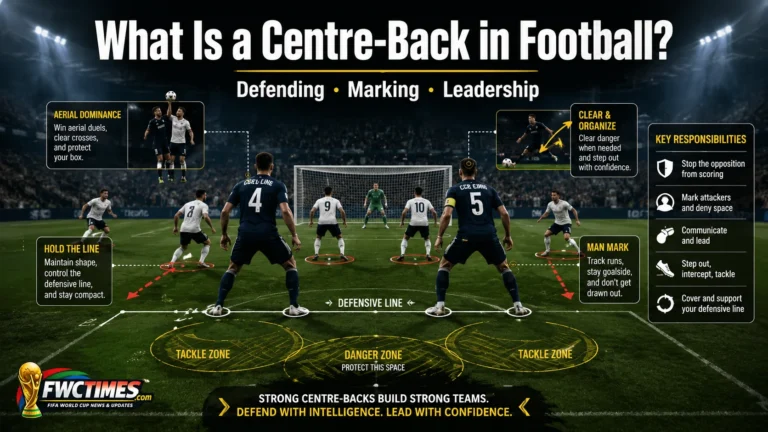
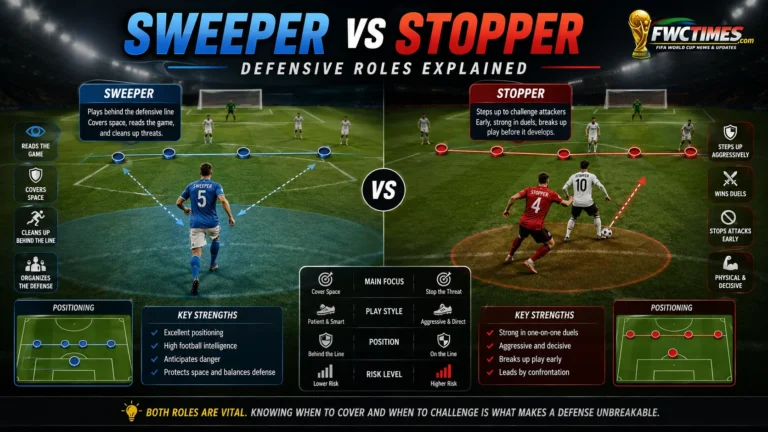
Player terminology also crosses regions. A goalkeeper, defender, midfielder, and forward perform the same roles. FWCTimes lists major names through its World Cup players coverage.
Search behaviour reflects regional language. A United States supporter may search soccer rules, while an English supporter searches football rules. Both readers need the same accurate explanation.
Broadcasters can switch terms based on audience and event. World Cup coverage often uses football more frequently because the tournament is global. Local programmes may retain soccer as their standard word.
Football Language Across Major Regions
The United Kingdom usually reserves football for association football. Rugby has its own shorter name, so everyday speakers rarely need soccer for clarity. Historical usage still shows that soccer began there.
United States speakers use football for the gridiron sport and soccer for association football. The naming choice prevents confusion between two popular games. American clubs can still use Football Club in their formal names.
Canada, Australia, and Ireland also have competing football codes. Speakers choose the term that makes local meaning clear. Usage can change between communities, broadcasters, and governing bodies.
Other languages use their own forms of football, including futbol and futebol. International audiences understand those words as association football. The vocabulary changes, while FIFA competition and IFAB laws remain shared.
Search and media language follows the audience. A United States headline may use soccer, while a global tournament headline uses football. Both can describe the same match without changing any sporting fact.
Federation names also reflect local history, so official labels do not create separate versions of the sport.
Connection to FIFA World Cup 2026
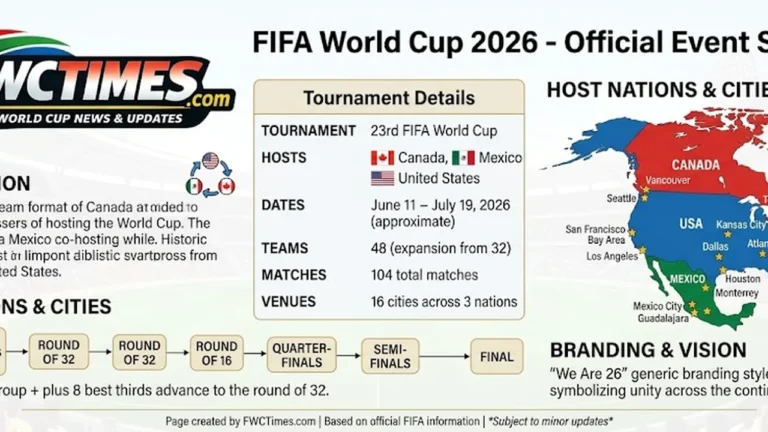
Canada, Mexico, and the United States will welcome fans with different naming habits at the FIFA World Cup 2026. Every match still follows the same association-football laws.
United States media may use soccer throughout the tournament, while global broadcasts often use football. The two labels will describe the same teams and results.
The shared competition makes the naming difference easy to understand. Vocabulary changes across borders, but the sport does not.
Frequently Asked Questions
What is the football vs soccer difference?
The football vs soccer difference is usually regional vocabulary. Both words commonly describe association football and use the same rules.
Why do Americans call football soccer?
American English uses football mainly for American football. Soccer provides a clear name for association football.
Did the word soccer come from Britain?
Yes, soccer developed as a British shortening connected to association football. The term later became more common in countries with competing football codes.
Is soccer different from American football?
Yes, soccer and American football are separate sports with different rules, equipment, scoring, and handling. Soccer is another name for association football.
Will World Cup 2026 use football or soccer?
FIFA formally uses football, while many United States audiences will also say soccer. Both terms will describe the same World Cup 2026 sport.
Conclusion
Football and soccer usually name the same association-football game. Regional sporting history decides which word speakers prefer.
World Cup 2026 will bring both terms together across three host countries and one shared competition. Stay tuned to FWCTimes.com for the latest FIFA World Cup 2026 updates.
Read Also: How Red Card Football Rules Work