How Many Players Are in a Football Team? Official Rules

How many players in football team rules allow a maximum of eleven players on the field for each side. One of those players must be the goalkeeper.
IFAB Law 3 also sets a minimum of seven players for a match to start or continue. Team sheets and substitution rules decide which other squad members can participate.
How Many Players Are in a Football Team?
Each football team can field a maximum of eleven players, including one goalkeeper. A match cannot start or continue if either team has fewer than seven players.
Substitutes remain outside the starting eleven until the referee permits a legal change. Competition rules determine the named bench and permitted substitutions.
How Many Players in Football Team Rules Allow
IFAB Law 3 states that a match is played by two teams with a maximum of eleven players each. One player on each team must act as goalkeeper. That creates the standard eleven-versus-eleven format.
The law also protects a minimum playing number. A match may not start or continue when either team has fewer than seven players. Red cards, injuries, and departures can cause that situation.
A team can start with fewer than eleven players. They must still have at least seven eligible options. Only named players and substitutes can join later. The referee checks eligibility through the submitted team list.
The starting eleven does not include substitutes on the bench. A substitute becomes a player only after completing the legal substitution procedure. The replaced player then loses player status for that match unless return substitutions are permitted. This distinction helps officials decide who can enter, return, or receive sanctions.
Starting Eleven Positions and Roles
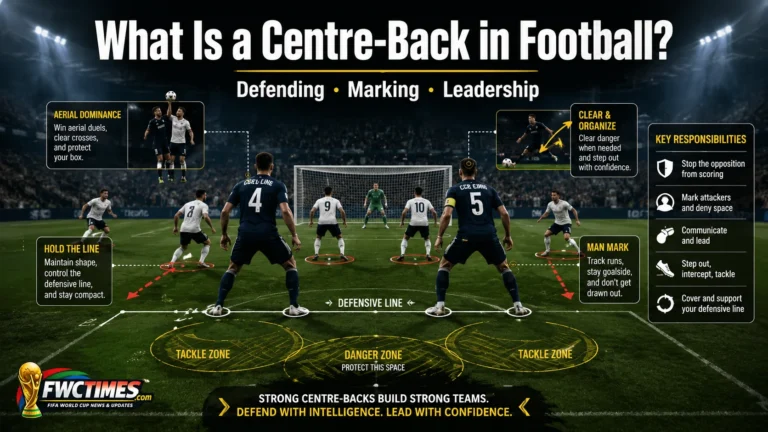
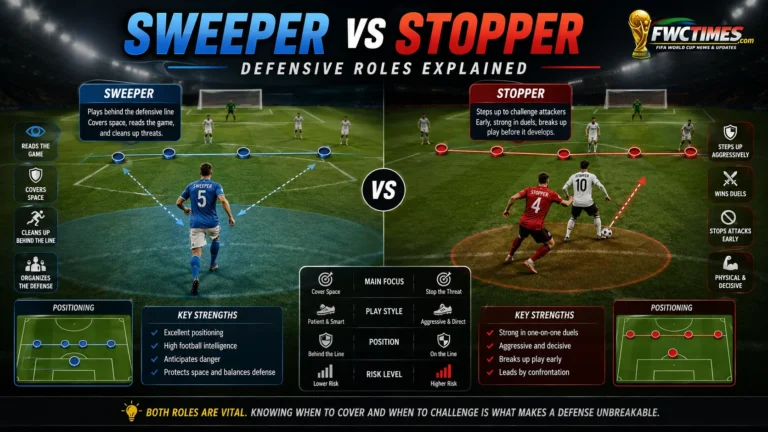
The laws require a goalkeeper but do not require fixed numbers of defenders, midfielders, or forwards. Coaches choose the positional balance through formation and tactics. That freedom creates different team shapes.
A 4-3-3 usually uses four defenders, three midfielders, and three forwards around the goalkeeper. A 3-5-2 shifts another player into midfield or wing-back areas. Both shapes still use eleven players.
Players can change positions during the match without a substitution. An outfield player can exchange places with the goalkeeper. They must notify the referee during a match stoppage. Equipment requirements must still be met. Teams can reorganise repeatedly while keeping the same legal number.
FWCTimes explains team shapes in its 4-3-3 formation guide. Those formations organise the same eleven-player limit in different ways.
How Player Numbers Change During a Match
Substitutions replace players without changing the number allowed on the field. The incoming player enters only after the outgoing player leaves and the referee signals permission. Incorrect entry can bring discipline.
A red card removes a player without allowing a replacement. The team then continues with fewer players. FWCTimes explains the consequences in its red card football rules guide.
Injuries can also reduce numbers when a team has no legal changes remaining. The match can continue while the team has at least seven players. Tactical plans then adapt to the missing position. Medical care remains the priority before the team rebuilds its shape.
Teams playing short often protect central areas and reduce attacking numbers. Opponents try to use width and create overloads. The numerical advantage matters only when players use space well.
Football Team Player Number Guide
| Team Group | Number | Law or Practical Meaning |
|---|---|---|
| Maximum players on field | 11 | One must be goalkeeper |
| Minimum players to start or continue | 7 | Match cannot proceed below this number |
| Standard starting goalkeeper | 1 | Must wear distinguishable colours |
| Outfield starters | 10 | Positions chosen by coach |
| Substitutes | Set by competition rules | Not part of on-field eleven until used |
Extra Players, Goalkeepers, and Match Officials
A team cannot use an extra player to create twelve against eleven. If an extra person enters and interferes, the referee stops play when required and applies the law. Disciplinary action and a restart can follow.
The goalkeeper remains one of the eleven players rather than an additional specialist. Teams must always identify a goalkeeper on the field. A player can take over the role after following the proper change procedure.
Referees, assistant referees, and other match officials do not count as team players. Coaches and technical staff also remain outside the playing number. Their roles support or regulate the match.
Youth and grassroots formats can use smaller teams under approved modifications. Five-a-side, seven-a-side, and nine-a-side formats help match field size and player development. Those formats do not change the senior eleven-a-side standard. Organisers match pitch dimensions and match length to the selected format.
Squads, Benches, and Team Selection
A match squad contains starters and named substitutes. Coaches choose the starting eleven based on tactics, fitness, opponent, and competition demands. The bench provides options for later changes.
Squad size differs from the number on the field. World Cup teams register a tournament squad, yet only eleven players start each match. The rest compete for bench and future starting roles.
Captains have leadership duties but no extra playing status. They remain one of the eleven and follow the same laws. The referee does not grant captains special authority over decisions.
Fans can follow team rosters through FWCTimes coverage of teams at World Cup 2026. Squad depth matters across the tournament even though the on-field limit stays eleven.
Connection to FIFA World Cup 2026
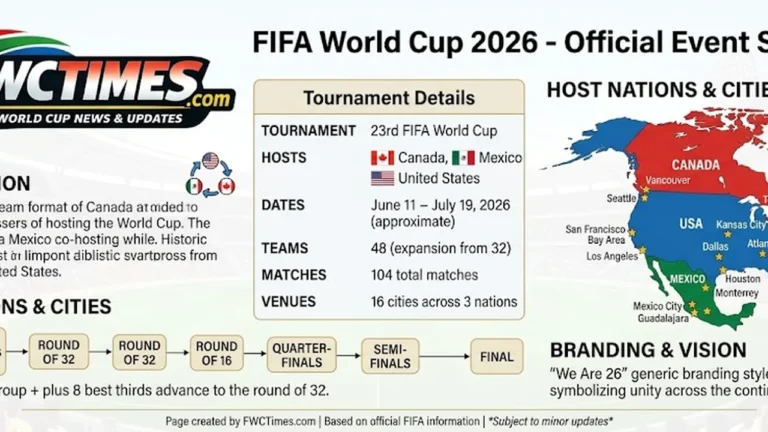
At the FIFA World Cup 2026, each team starts matches with eleven players, including a goalkeeper. The expanded tournament does not change Law 3’s on-field maximum.
Teams can use deep squads across the tournament route. Still, each coach selects only eleven starters for a match. Substitutions and rotation manage the remaining players.
A red card can reduce a team below eleven during a match. The match cannot continue if the team eventually falls below seven players.
Frequently Asked Questions
How many players in football team rules allow?
How many players in football team rules allow is a maximum of eleven players on the field. One of those players must be the goalkeeper.
Why does a football team need seven players?
IFAB Law 3 sets seven as the minimum for a match to start or continue. The match cannot resume after the ball leaves play if a team has fewer than seven.
Has football always used eleven players?
Eleven-a-side became the standard as association football’s rules developed in the nineteenth century. Approved smaller formats now exist for youth and grassroots football.
What is the difference between a squad and starting eleven?
The starting eleven are the players who begin on the field. The squad also includes substitutes and other registered players available across the competition.
How many players start for each team at World Cup 2026?
Each team starts a World Cup 2026 match with eleven players, including one goalkeeper. The on-field number follows IFAB Law 3.
Conclusion
A standard football team fields eleven players, and one must be the goalkeeper. Law 3 also protects the minimum of seven needed to start or continue.
Squads can be much larger, yet formations and substitutions must work within the on-field limit. Stay tuned to FWCTimes.com for the latest FIFA World Cup 2026 updates.
Read Also: What Does a Goalkeeper Do in Football?