World Cup Money-Saving Tips Put Hotels, Transit And Food First

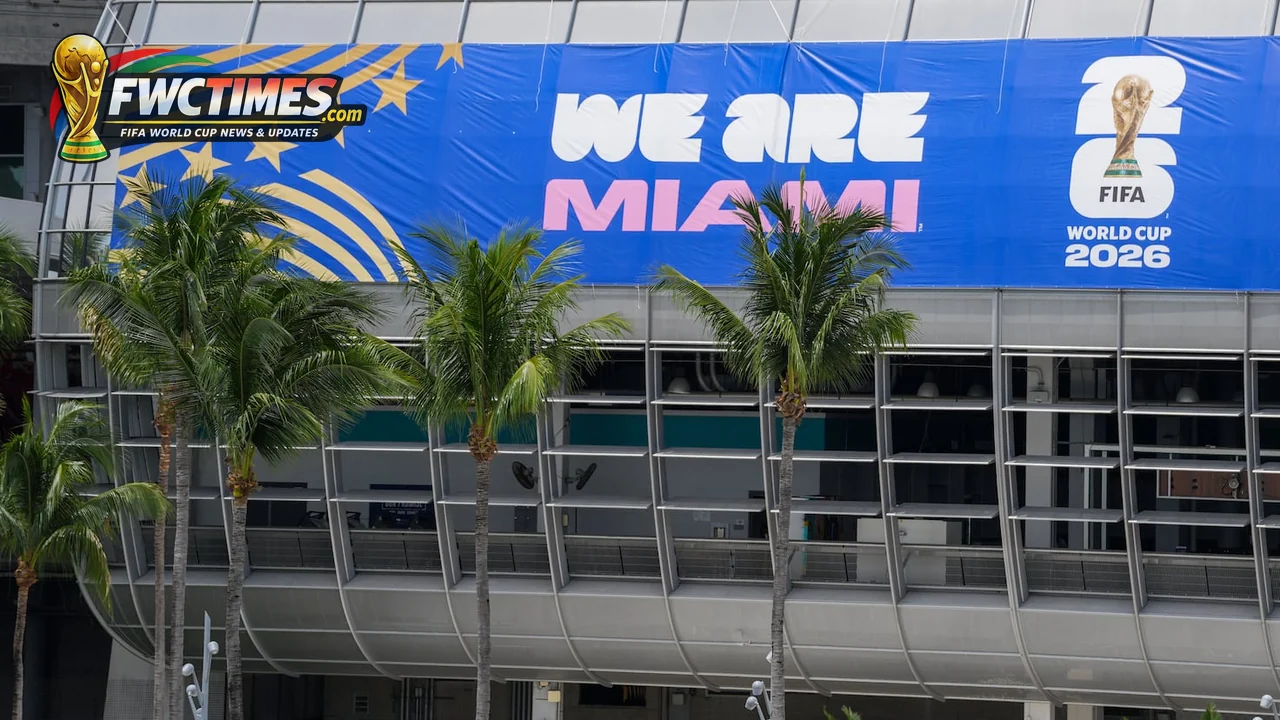
World Cup Money-Saving Tips now start with hotels, transit and food choices. Fans have only a short window left before the June 11 opener in Mexico City. The tournament spans the United States, Mexico and Canada, with 104 matches across the full schedule. Travelers who wait for last-minute deals may face higher prices and fewer practical options.
The advice lands because the FIFA World Cup 2026 stretches across three host countries. Fans may attend matches, watch from restaurants or use city fan events instead of stadium seats. Each path carries different costs. The smartest budget move is to decide the trip type before buying transport, lodging or food packages.
Hotels And Nearby Cities Can Change The Budget
Lodging remains the first pressure point. Finding accommodation close to major host venues can become harder as match dates approach. Prices can rise when teams, fan groups and media arrive in the same city. Fans should compare hotels, rentals, hostels and nearby cities before locking in one plan.
That comparison matters most around final and knockout venues. MetLife Stadium will host the July 19 final, so New York/New Jersey demand can move fast. Los Angeles, Miami and Dallas can also become expensive when popular teams arrive. A cheaper room outside the core area may still cost more if transit is poor.
The source advice is simple: plan early, stay flexible and avoid last-minute purchases. Flexibility can mean changing the hotel zone, choosing a different match, or staying near a reliable transit route. It can also mean watching one match at a fan event instead of buying another stadium ticket. Those choices become real savings only when fans calculate the full day.
Fans should also check the stadium list before booking. FIFA World Cup Venues differ by transit access, parking pressure and nearby hotel supply. A cheap room can become expensive if it forces rideshares both ways. A higher hotel rate near transit can save money across several matchdays.
Transit, Food And Fan Events Need A Real Plan
Transport is the second major cost. The source recommends trains or buses for medium or shorter distances, where available. Inside host cities, public transit or bikes can beat rental cars. Cars can become expensive in big cities because traffic and parking add hidden costs.
Fans also need to match transport choices with kickoff times. The World Cup 2026 Schedule includes afternoon and evening windows across several time zones. Late finishes can reduce transit options in some areas. Early planning helps fans avoid surge pricing after matches.
Food is another place where small choices add up. Stadium food and drinks usually cost more than supermarket meals or food bought before entry. Fans staying in rentals or extended-stay rooms can save by cooking some meals. Eating before entering the stadium can also lower matchday spending.
Fan events can help supporters avoid paying stadium-level prices for every match. Some host cities will show games on large screens and offer entertainment around football. Those events may still charge admission or sell premium food, so fans should check rules before going. FIFA World Cup Tickets should not consume the whole travel budget.
| Budget Area | Practical Move |
|---|---|
| Accommodation | Compare hotels, rentals, hostels and nearby cities before booking. |
| Transport | Use trains, buses, public transit or bikes where the route works. |
| Rental cars | Avoid cars in big cities when traffic and parking raise total cost. |
| Food | Eat before stadium entry or cook at your lodging where possible. |
| Fan events | Use city screenings when match tickets are too expensive. |
The best savings come from combining these choices. A fan who books near transit, eats before entry and uses one fan event can reduce several costs at once. A fan who books late, rents a car and buys every meal inside venues will feel every premium. World Cup travel punishes loose planning.
The budget also changes by team draw. Popular teams can raise demand around specific cities and dates. Fans following one country across multiple venues need a different plan from fans staying in one city. The cheapest trip is usually the one with fewer moving parts.
Frequently Asked Questions
A World Cup budget works best when fans price the full day, not only the ticket or hotel room.
Read Also: California World Cup Fan Festival Sets Coliseum Ticket Plan