World Cup 2026 Tiebreaker Rules Explained For Group Stage


World Cup 2026 tiebreaker rules will decide group positions through head-to-head records before overall goal difference. The expanded tournament has 12 groups, so tie rules will shape both automatic qualification and third-place ranking. Fans should track points, direct results, discipline and FIFA ranking during the final group matches.
The top two teams in each group advance automatically. The eight best third-placed teams also reach the round of 32. That format means a team can lose its group ranking tiebreaker yet still remain alive through the cross-group third-place table.
Head-To-Head Comes Before Overall Goal Difference
The first tiebreaker layer compares only the matches played between the tied teams. Points in those direct matches come first, then goal difference in those direct matches, then goals scored in those direct matches. This is the key detail many fans may miss.

If teams stay level after that direct comparison, the process moves to the wider group record. Overall goal difference comes next, followed by total goals scored in all group matches. Discipline and FIFA ranking only enter after the football numbers fail to separate teams.
| Order | Tiebreaker |
|---|---|
| 1 | Most points in matches between the tied teams |
| 2 | Best goal difference in matches between the tied teams |
| 3 | Most goals scored in matches between the tied teams |
| 4 | Best goal difference in all group matches |
| 5 | Most goals scored in all group matches |
| 6 | Best team conduct score from cards |
| 7 | Highest current FIFA ranking |
| 8 | Previous FIFA rankings, moving backward if needed |
This order can change how fans read the final matchday. A team with a better overall goal difference might still sit behind a direct rival if it lost the head-to-head comparison. That creates more value in early group matches between likely qualification rivals.
It also changes how coaches manage a late draw. Protecting a head-to-head advantage may matter more than chasing an extra goal in a separate match. The standings can look simple, but the tiebreaker order can reward specific results over total margin.
Third-Place Ranking Uses A Different Comparison
The third-place table compares teams from different groups, so head-to-head cannot apply. FIFA ranks those teams first by points, then goal difference, then goals scored. Team conduct and FIFA ranking follow if the numbers stay level.
That means a third-placed team should care about margin even after losing direct group ranking battles. A late goal in defeat can improve goals scored, while avoiding cards can protect the conduct score. Small details may decide the last round-of-32 places.
| Third-Place Order | Ranking Measure |
|---|---|
| 1 | Most points |
| 2 | Best goal difference |
| 3 | Most goals scored |
| 4 | Best team conduct score |
| 5 | Highest current FIFA ranking |
| 6 | Previous FIFA rankings if still tied |
The expanded format increases scoreboard pressure across groups. Teams will not only watch their own match, because another third-placed side can move above them with one goal. Coaches may need live information before making late substitutions.
Fair Play And FIFA Ranking Are Late-Stage Deciders
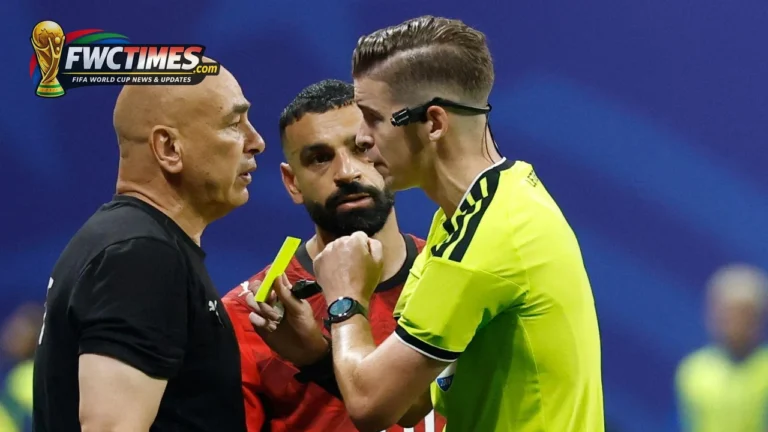
Team conduct becomes relevant only after football results and goal records fail to separate teams. Yellow cards, second yellows and red cards reduce a team’s conduct score. Staff discipline also matters because the system can include team officials.
FIFA ranking sits after conduct in the group-stage order. That is a major difference from older fan assumptions about drawing lots. In 2026, ranking history can act as the final separator if teams remain tied after all match and conduct measures.
The practical lesson is simple. Teams must manage cards, not only goals. A reckless booking in a settled match can become costly if the group ends in a tight multi-team tie.
Fans should also separate group ranking from third-place ranking. A team can lose a direct tiebreaker inside its group and still compare well against third-place teams elsewhere. That is why final matchday scoreboards will matter across several cities at once.
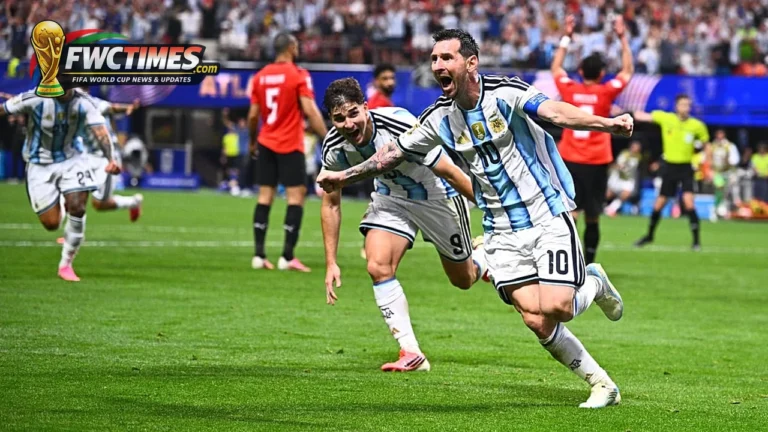
The rule order also changes how late goals feel. A goal between tied teams can decide direct comparison, while a goal in another group can affect the third-place table. Supporters should avoid assuming a team is safe until every connected match ends.
Frequently Asked Questions
World Cup 2026 tiebreakers reward direct results first and total margins later. Fans tracking final group matches should keep both tables open until every whistle goes.
Read Also: Joshua Kimmich Says Germany Have A Team For World Cup 2026