World Cup 2026 By The Numbers Before Opening Night

The biggest facts around the tournament now sit in plain sight. This FIFA World Cup 2026 will feature 48 teams, 104 matches and a 39-day schedule across three host countries. That scale changes almost every old reference point. It is not just a bigger World Cup. It is a different tournament shape.
The player pool shows the same expansion. There are 1,248 squad places filled by footballers from 449 clubs in 71 countries, while stars such as Lionel Messi and Cristiano Ronaldo still pull the historic spotlight. The 2026 edition mixes old records, first-time nations and new scheduling pressure into one field. That is why the numbers matter before a ball is kicked.
How The Tournament Has Grown
The first and clearest change is size. The field has expanded from 32 teams to 48, and that jump pushes the total match count to 104. More teams mean more travel, more fan movement and more possible storylines across the month. It also means the event feels less concentrated and more continent-wide from the first week.
The host split underlines that scale. The United States stage 78 matches, including every quarter-final, both semi-finals and the final. Mexico hosts 13, including the opener in Mexico City, and Canada hosts 13 as well. Three countries were always going to change the mood of the event. The full numbers show how much the balance still leans toward the United States once knockout football begins.
The playing population is just as striking. FIFA’s confirmed squad release says 1,248 players are involved, representing 449 clubs across 71 countries. England-based clubs provide the biggest share, while Germany, France, Spain and Italy also send large numbers. That turns the competition into a snapshot of the global club game as much as a national-team tournament.
The wider field also creates more entry points for new stories. Four nations are making their World Cup debut, while several others return after long gaps. Expansion changes the bracket, but it also changes who gets to be part of football’s biggest stage. That is one reason the 2026 edition already feels more open than previous finals.
Which Record Numbers Deserve The Most Attention
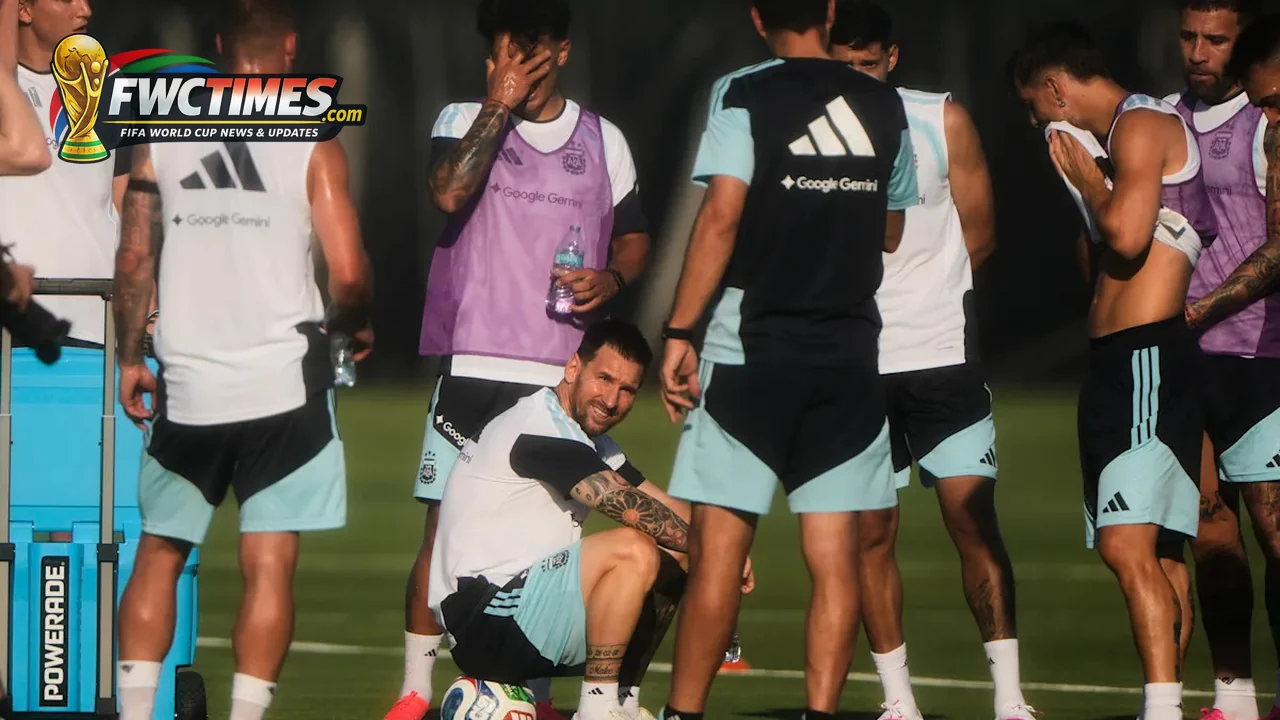
The headline records still sit with familiar names. Messi arrives with the most World Cup matches played at 26, while Ronaldo brings the heaviest international-cap total in the field. Those numbers matter because they anchor the event to one older generation just as a new one tries to take over. Record chases help tie one era to another.
One of the most unusual player numbers belongs to Guillermo Ochoa, who is part of a sixth World Cup squad. That keeps Mexico attached to one of the tournament’s strangest longevity marks. The age range tells its own story too. Scotland goalkeeper Craig Gordon arrives as the oldest player in the tournament at 43, while the youngest listed player is just 16.
Club representation adds another layer to the record book. Manchester City lead the way with 19 players across the field, Bayern Munich follow with 18, and several other elite European clubs supply double-digit totals. That concentration explains why fatigue, chemistry and role familiarity will matter so much once the group stage starts. Some club partnerships will walk straight into national-team plans.
The numbers also serve a practical purpose for supporters. A 104-match event stretches viewing plans, ticket demand and broadcast choices well beyond the old format. Anyone tracking the biggest edition yet will need reliable match planning and clearer schedule habits from day one. This World Cup will reward preparation as much as it rewards attention.
| Tournament Number | Confirmed 2026 Figure |
|---|---|
| Teams | 48 |
| Matches | 104 |
| Tournament Length | 39 days |
| Players | 1,248 |
| Represented Clubs | 449 |
| Represented Countries Via Clubs | 71 |
These totals explain why 2026 cannot be judged with old templates. More teams and more matches bring a wider football map, but they also bring more logistical stress for squads and supporters. That will shape how the tournament feels on and off the pitch. Scale itself becomes part of the story.
The player records also matter because they pull together different generations in one field. Messi, Ronaldo and Ochoa still carry extraordinary marks, while teenagers and debut nations pull the event toward something newer. The numbers make the tournament easier to understand because they show both continuity and change in one place.
That is the real value of a numbers piece before kickoff. It gives shape to an event that can otherwise feel too large to hold in one frame. Once the matches start, these numbers will stop feeling abstract and start affecting how fans watch the month unfold.
Frequently Asked Questions
The 2026 World Cup already looks enormous on paper, and the numbers make clear why this edition will not behave like the last one.
Stay tuned to FWCTimes.com for the latest FIFA World Cup 2026 updates.
Read Also: FIFA World Cup Squads Confirm 1,248 Players