World Cup 2026 AI Technology Adds 3D Scans And Referee Cameras


World Cup 2026 AI technology will support 3D player scanning, offside decisions, referee camera footage and team data tools. FIFA‘s technology work has moved from broadcast graphics into match operations and performance analysis. The tournament will test whether new systems can make decisions clearer without overwhelming fans.
The most visible change involves more realistic player models for offside calls. Instead of simple stick-figure visuals, the technology aims to create detailed digital versions of players. That can help officials and viewers understand body position in tight decisions.
3D Player Scans Aim To Improve Offside Reviews
FIFA’s lab work around 3D scanning is designed to make semi-automated offside visuals more accurate and easier to read. Detailed player models can show the relevant body points in a way that feels closer to the real player. That may reduce confusion after narrow calls.
The technology still depends on correct calibration and clear communication. Fans do not only need a decision; they need to see why the decision happened. Better visuals can help if broadcasters receive clean angles and explain them quickly.
| Technology | Expected Tournament Use |
|---|---|
| 3D Player Scanning | More detailed offside models and decision visuals |
| AI-Assisted Data Tools | Team analysis and tactical information support |
| Referee Cameras | Point-of-view broadcast and review material where approved |
| Connected Match Ball Data | Touch and movement data for officiating support |
Teams can also benefit from AI-supported data. Tactical clips, player movement and statistical summaries can reach analysts faster than manual tagging alone. Smaller federations may gain access to information that once required larger staff teams.
That does not mean software will coach the match. Analysts still need to decide which data matters and how to turn it into instructions. AI can speed up pattern detection, but coaches remain responsible for football decisions.
Referee Cameras Add A New Broadcast Angle
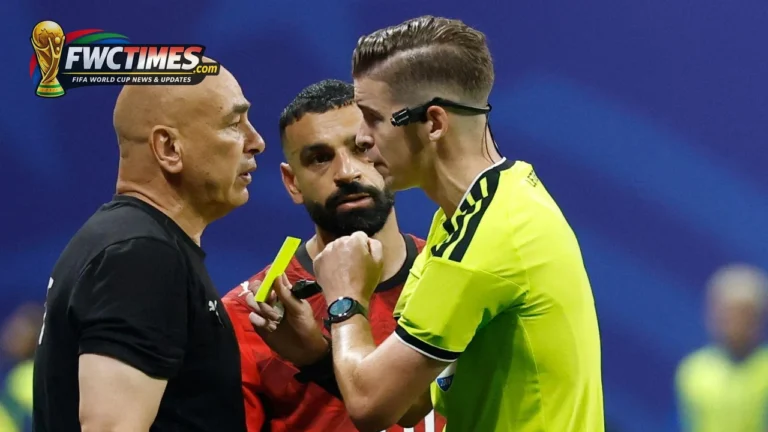
Referee-worn cameras are another technology area to watch. Body-camera footage can show what the official sees during certain moments. AI stabilization can make moving images clearer when referees sprint, turn or track contact.
The broadcast value is obvious, but the operational rules matter. Competitions must control when footage appears and how it can be used. Referee camera material should add clarity, not create another source of confusion.
Fans may appreciate the viewpoint during goals, fouls and crowded penalty-area incidents. The danger is overuse. A point-of-view angle works best when it explains a moment rather than becoming a novelty replay.
The Smart Ball And Data Layer Still Matter
The connected match ball remains part of the tournament technology stack. Ball sensors can support touch detection and timing around key incidents. When combined with tracking data, they can help officials assess tight decisions faster.
The data layer also supports broadcast storytelling. Viewers can see speed, pressure, distances and player movement in richer ways. The best use will be selective, because too many graphics can crowd the match.
Technology will not remove argument from football. It can reduce uncertainty in some decisions and create better evidence for others. The tournament will show whether the balance feels useful to players, referees and supporters.
Teams will also face a data-management challenge. More information can help coaches, yet too many numbers can slow decisions during short recovery windows. The strongest staff will turn technology into simple instructions players can execute.
The fan-facing side needs restraint too. A clear offside graphic can improve trust, but constant overlays can distract from the match. Tournament directors will need to balance evidence, speed and the emotional flow of live football.
World Cup 2026 may set the standard for future tournaments if the technology works cleanly. Poor communication would create the opposite lesson. The systems will be judged by whether they solve problems that viewers already understand.
Players may also notice technology through performance feedback after matches. Tracking data can show sprint loads, pressing distances and defensive recovery runs. That information can help teams rotate smarter during a tournament with long travel demands.
Privacy and competitive fairness will remain part of the conversation. Teams want useful data, but they also need to know who can access sensitive performance information. Clear tournament rules can stop technology from becoming another source of suspicion.
Frequently Asked Questions
World Cup 2026 will be a major test for football technology. The systems will succeed only if they make decisions clearer and keep the match easy to follow.
Read Also: World Cup 2026 Law Changes Add VAR Powers And Timeout Ban