Toronto Amsterdam Bridge Reopens Before World Cup 2026 Waterfront Events

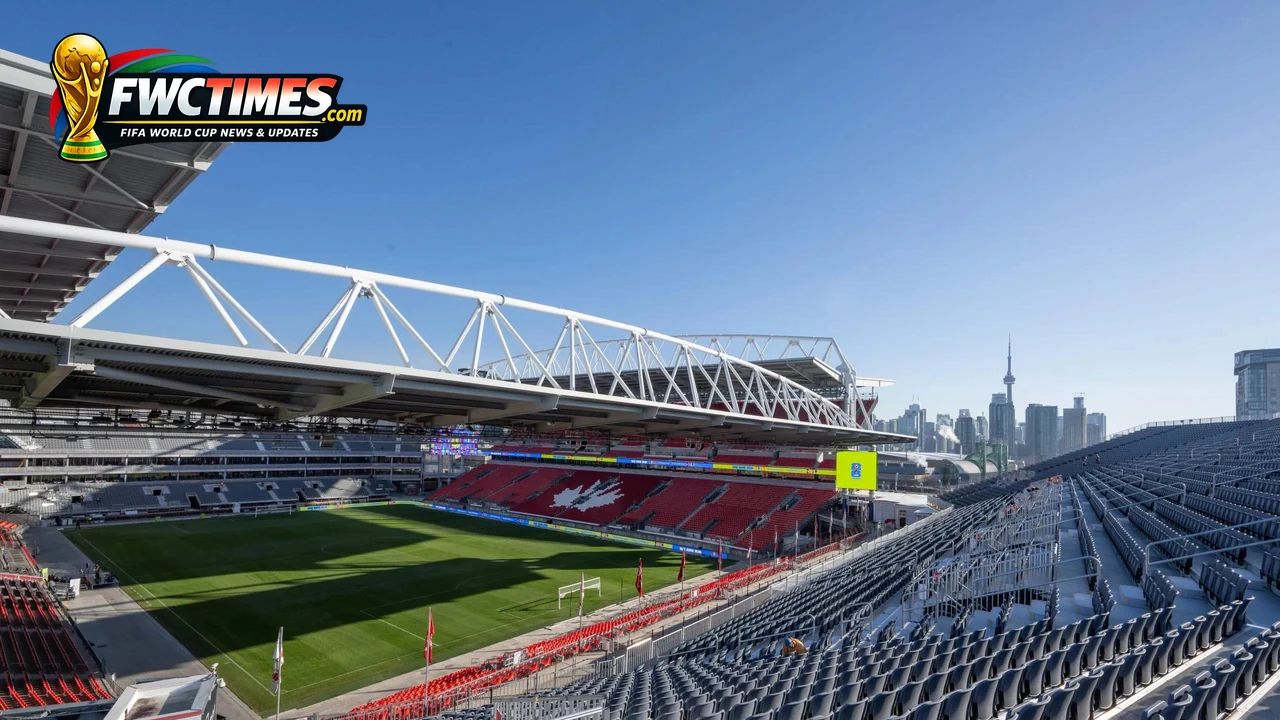
Toronto‘s Amsterdam Bridge has reopened after rehabilitation work, giving the waterfront another access point before World Cup 2026 celebrations. The bridge was originally gifted by Amsterdam in 1974 and had been closed since 2021. Its return matters because Toronto’s waterfront will carry heavy visitor movement during tournament events.
The reopening took place with a ceremonial ribbon cutting on the east side of the bridge. City representatives, Harbourfront Centre, CreateTO and the Dutch Consulate were connected with the event. The work brings back a pedestrian link near a key public area before fans arrive.
Waterfront Movement Gets A Practical Boost
Toronto’s World Cup planning is not only about the stadium. The city must also move visitors through public spaces, fan programming areas and nearby transit corridors. A reopened waterfront bridge helps reduce friction around Harbourfront movement.
The Amsterdam Bridge connects with a zone that visitors may use before or after match-related events. Even small pedestrian links matter when thousands of people leave the same area. A closed bridge can create detours that feel minor on a quiet day and painful during crowd peaks.
| Bridge Detail | Confirmed Information |
|---|---|
| Bridge | Amsterdam Bridge |
| Location | Toronto waterfront near Harbourfront |
| Original Gift | Mayor of Amsterdam, 1974 |
| Closure Period | Closed since 2021 |
| World Cup Value | Improves pedestrian movement before waterfront celebrations |
Toronto will host six World Cup matches, including Canada’s opening match. The city is also preparing fan activity around Fort York, The Bentway and waterfront corridors. That puts extra value on safe walking routes near public gathering areas.
The bridge reopening also fits the city’s wider push to finish visible infrastructure before visitors arrive. Stadium upgrades have already been completed, and mobility plans are in place around Exhibition Place and nearby neighborhoods. Waterfront access is one more part of that network.
Why A Bridge Story Matters Before Match Week
World Cup visitors often remember basic movement more than official plans. Long detours, unclear routes and crowded sidewalks can shape the fan experience. A restored bridge can help local routes feel simpler on busy days.
The bridge also has a symbolic angle because of its Amsterdam connection. Football supporters from different countries will move through a public space tied to an international civic gift. That fits the tournament’s city-to-city character.
The key practical issue is crowd management. Toronto will need signs, staff and clear route information around waterfront areas. A reopened bridge helps only if visitors know when and how to use it.
Toronto’s Tournament Footprint Keeps Expanding
Toronto Stadium will handle the matches, but the fan experience spreads beyond the venue. Harbourfront, downtown transit, hotel zones and public celebration sites will all shape visitor movement. Infrastructure updates across those areas can reduce matchday stress.
Fans should pair waterfront plans with the World Cup 2026 schedule before choosing arrival times. Toronto’s busiest dates will depend on match timing and fan-event programming. A casual waterfront visit can feel different on a Canada matchday.
The Amsterdam Bridge reopening is not a headline stadium project. It is a smaller fix with daily value. Those smaller fixes often decide how host cities feel once crowds arrive.
Waterfront routes also matter for visitors who do not attend matches. Fan festivals, viewing areas and city walks can create heavy foot traffic on non-match days. Toronto needs those routes to work during the full tournament period, not only during stadium arrivals.
The bridge can also support accessibility planning if surrounding paths remain clear and signed. Families, older visitors and tourists with mobility needs benefit from shorter routes around busy public spaces. That value grows when crowds build after evening programming.
The next step is public communication. A reopened bridge helps only when city maps, signs and event staff point people toward it. Toronto should make the waterfront route visible before the first large visitor waves arrive.
The project also shows how host-city readiness can involve small civic assets. A stadium may hold the match, but streets, bridges and waterfront links shape how people move before and after events. Toronto’s success will depend on those everyday systems working under unusual demand.
Local residents will use the bridge during the same period as visitors. That overlap means the city must protect normal waterfront access while guiding tournament crowds. Clear wayfinding can prevent fan traffic from overwhelming familiar neighborhood routes.
Frequently Asked Questions
Toronto’s bridge reopening gives the waterfront a useful access upgrade before tournament crowds arrive. The city still needs clear signs and crowd planning to make the route work on busy dates.
Read Also: Czech Republic World Cup 2026 Squad Names Tomas Soucek