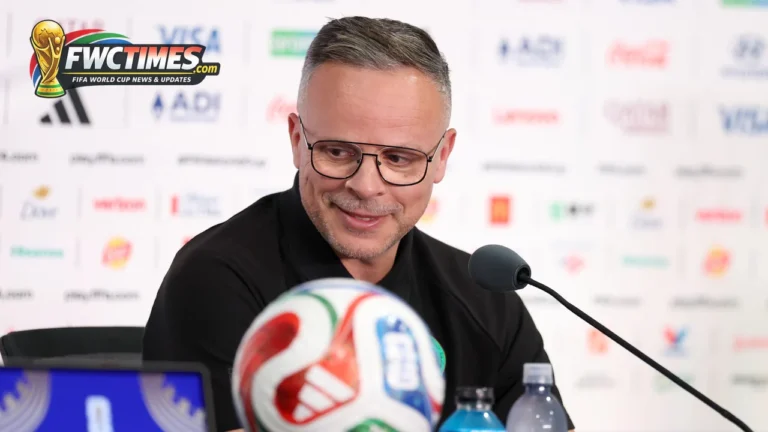
Spain Embrace World Cup Favourite Tag As Pressure Builds


Spain enter the World Cup 2026 build-up with a favourites tag that former players and supporters are no longer avoiding. Luis de la Fuente’s team has recent trophy momentum and a young core. The pressure now sits alongside expectation.
Spain’s status matters because they are no longer a dark-horse team in this tournament conversation. FIFA World Cup 2026 coverage gives fans the wider schedule and tournament setting. FWCTimes will track the confirmed changes through FIFA World Cup news as matchday details move.
Spain’s Momentum Changes The Conversation
Spain won Euro 2024 and rebuilt belief under De la Fuente. The team also reached the Nations League final, which kept its competitive rhythm high. Those results explain why the favourites label has stuck.
Lamine Yamal gives Spain a global headline player, but the squad is not built on one teenager. Nico Williams, Pau Cubarsi, Dean Huijsen, and other young players give Spain depth around senior structure. That balance makes the hype feel less fragile.
The fan reaction is cautious because Spain know tournament labels can turn quickly. Being a favourite brings respect, but it also changes how opponents prepare. Teams may sit deeper, slow the game, and force Spain to solve crowded spaces.
De la Fuente’s biggest task is keeping the squad direct enough. Spain can dominate possession, but World Cup knockout matches require speed and penalty-box edge. The favourites tag becomes dangerous if control turns sterile.
| Key Detail | What It Means |
|---|---|
| Main angle | Spain World Cup 2026 favourites |
| Tournament relevance | World Cup 2026 build-up |
| Fan impact | Expectation, planning, or commercial interest |
| Status | Pre-tournament analysis based on current reporting |
The update also gives editors, broadcasters, and travelling fans a clearer planning point. Small announcements can shape search demand because supporters want exact dates, platforms, names, and access rules before they commit money or time.
FWCTimes is treating each item as a practical tournament update, not a standalone publicity note. The useful question is how the development changes what fans can watch, attend, buy, or understand before June 11, especially when every decision now carries practical travel, access, or selection consequences.
What The Pressure Means In June
Spain’s first job is to handle group-stage expectations. A strong opening performance would settle nerves and reinforce the favourites narrative. A slow start would invite questions about whether the hype arrived too early.
The squad’s youth can help and hurt. Young players bring energy and fearlessness, yet the World Cup can punish emotional swings. Senior leaders must keep the team steady when matches become tense.
The practical value sits in timing. World Cup decisions now affect tickets, broadcast setup, travel plans, sponsor activity, and squad expectations at the same time.
Fans need the specific detail more than broad tournament hype. A confirmed platform, named role, squad signal, or venue update can decide what they do next before schedules become crowded.
Spain’s advantage is tactical identity. Players understand the ball-dominant model and press together after losses. That clarity can carry them through difficult spells.
The risk is transition defence. Opponents will look for space behind full-backs and quick counters after Spain lose the ball. De la Fuente needs protection around the centre-backs.
The favourites label is fair, but it is not a guarantee. Spain must still prove they can turn style into knockout control. That is the gap between admiration and a trophy.
Fans can embrace the label while respecting the difficulty. Spain have earned the conversation, but June will judge the details.
Frequently Asked Questions
Spain now carry contender status openly, and their World Cup will test whether a brilliant young group can manage adult pressure.
Read Also: India World Cup Broadcast Race Adds Fresh US Firm Angle